Plum · Winter
Constancy under adversity.
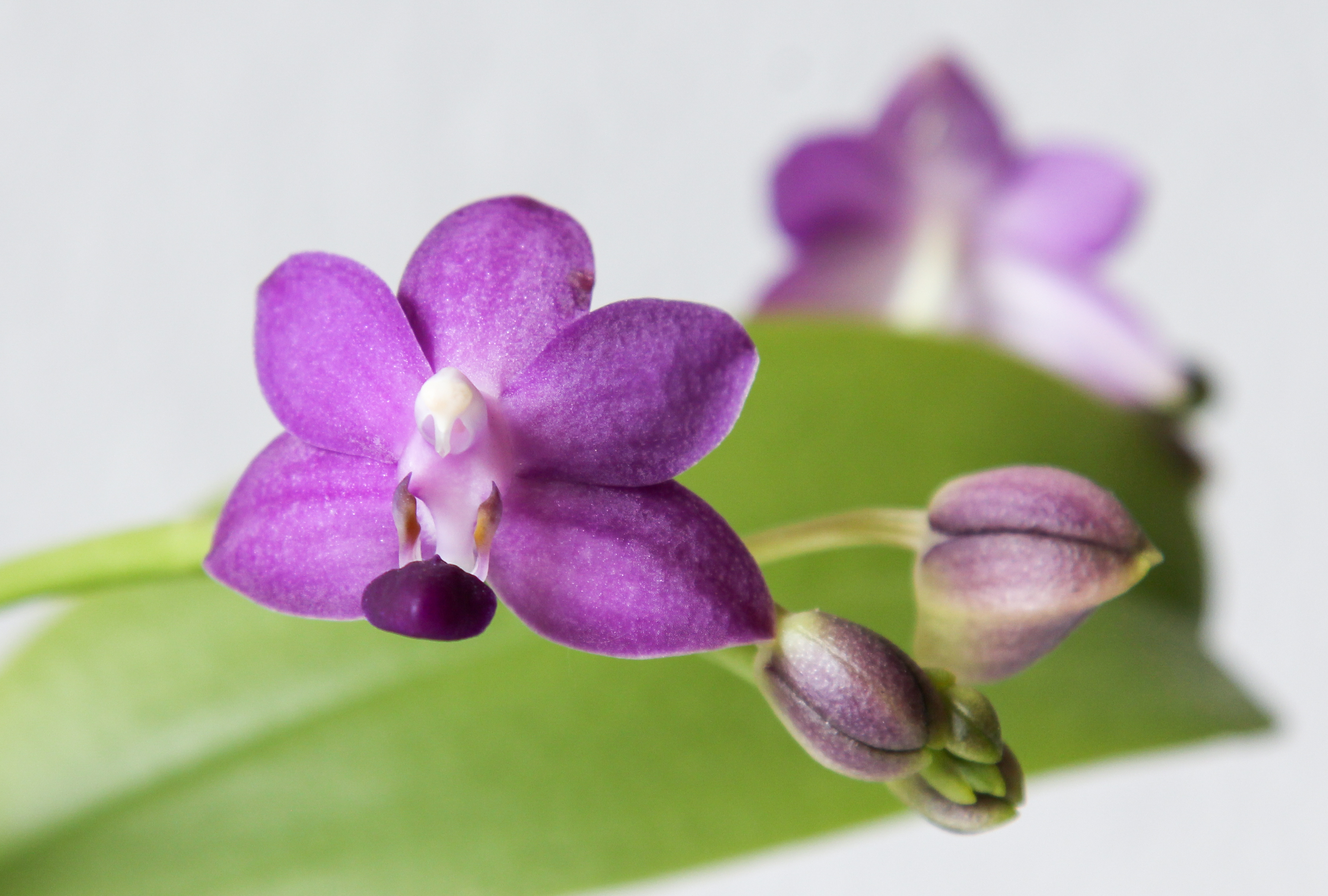
East and Southeast Asian Art Collective
The search for beauty, from rare orchids to rare art.
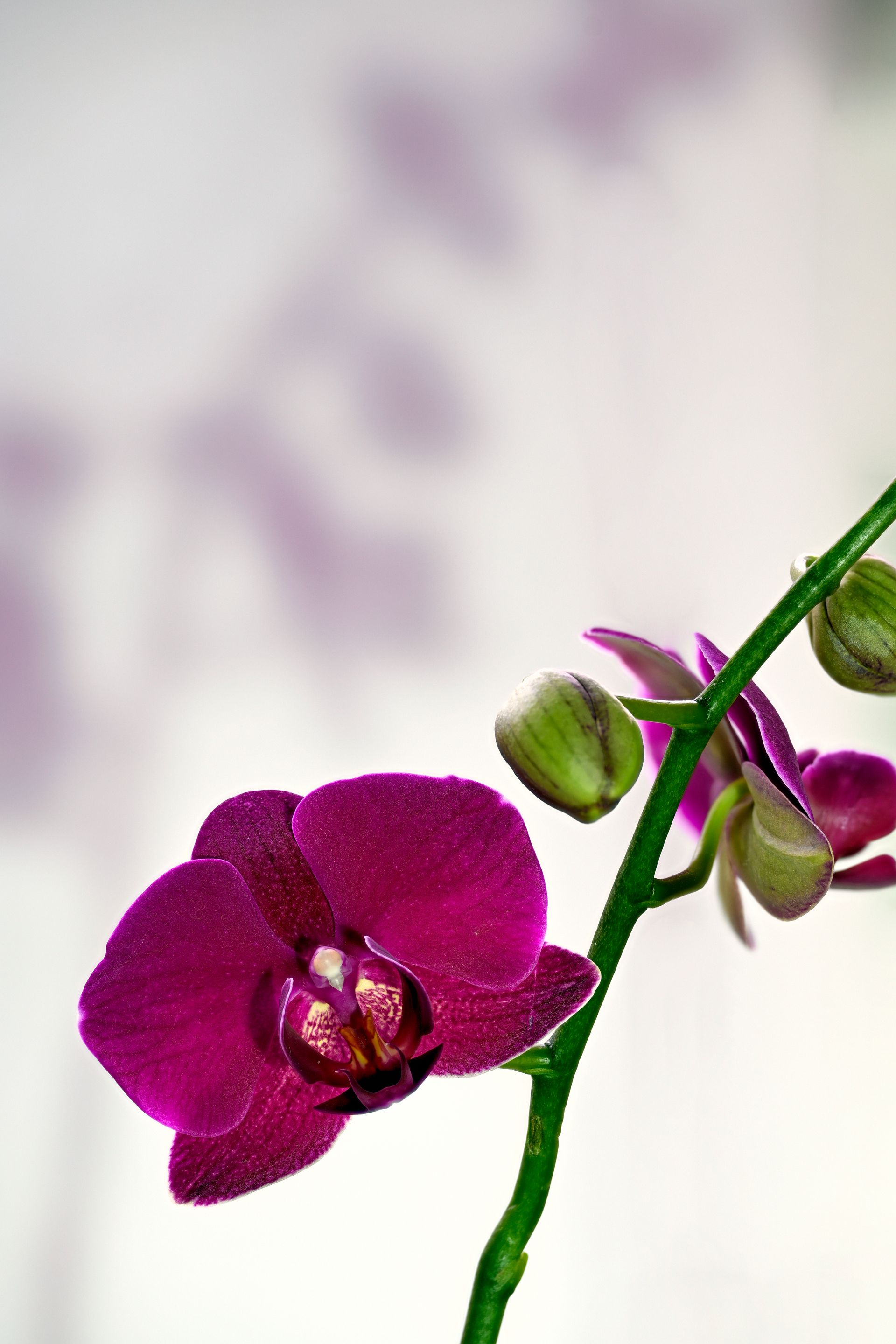
Garden · Woodland · Vale
Bring flow'rs of the fairest,
Bring flow'rs of the rarest,
From garden and woodland
And hillside and vale;
Our full hearts are swelling,
Our glad voices telling
The praise of the loveliest
Orchid of the vale.
Adapted from the traditional hymn “Bring Flowers of the Rarest” (public domain), with “Rose” rendered as “Orchid.”
Where the search began
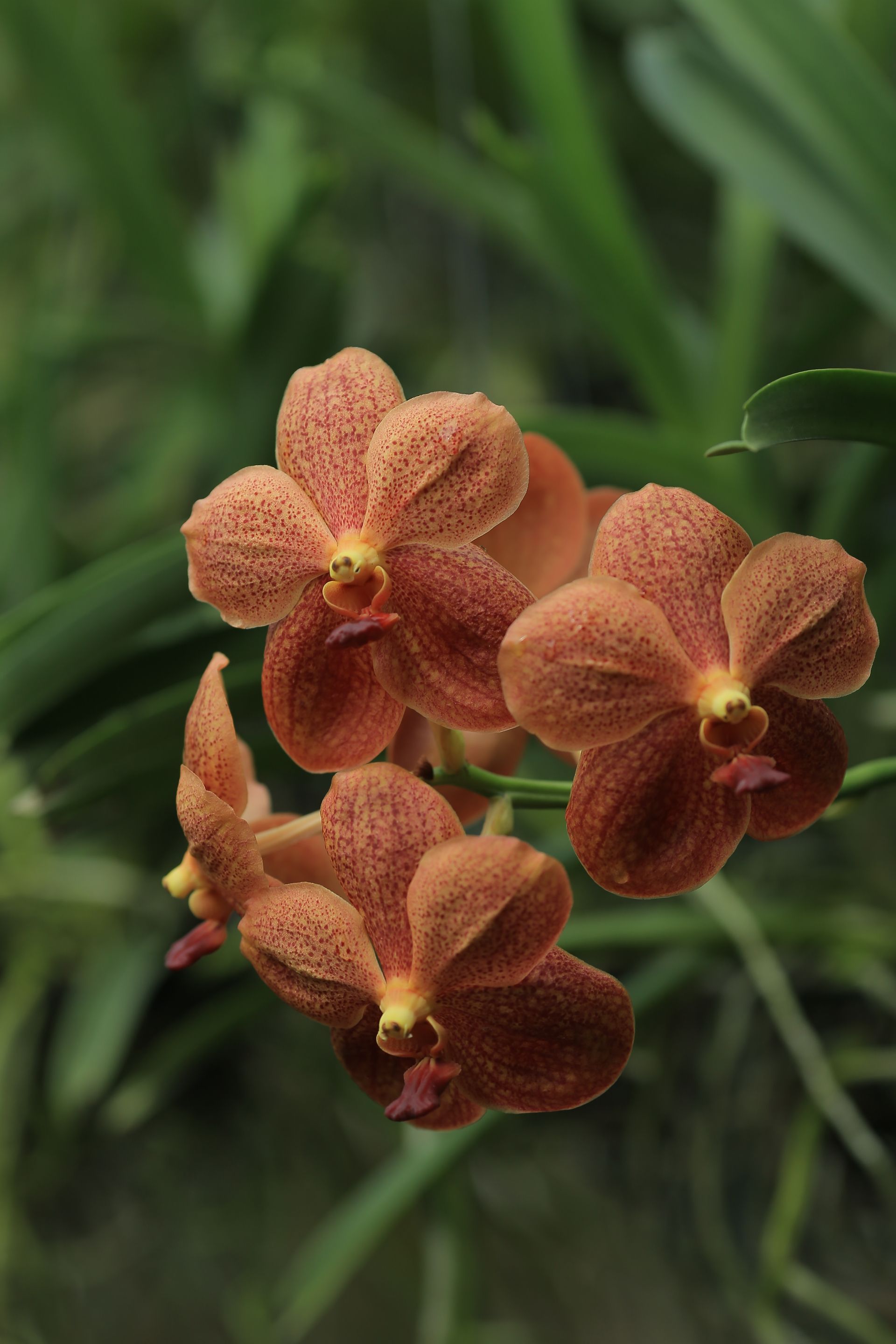
Susan and Gary grew up among orchids. Their parents collected them, and in both families the search was the same: find the rare ones. Not the whites and violets every florist carries, but the reds, the oranges, the yellows that few growers ever bring to bloom. Among more than twenty-eight thousand species, the question was always who could build the finest collection.
Susan and Gary are still searching. The flowers have become art: work that is beautiful, elusive, and held by very few. The instinct their parents gave them, to keep looking where others stop, is the instinct behind the Collective.
Much as people hunt the rarest and most beautiful orchids Orchid Way Collective searches for the most accomplished artists across East and Southeast Asia. This is the art we collect and display: makers whose craft, form, and beauty declare themselves among an already gifted field.
The orchid teaches the method. Many plants take years to flower; blooms arrive, then withdraw. Desire learns to wait, to notice what others pass over, and to keep looking when the catalog never quite closes. We bring that patience to living art: a search for talent serious enough to hold, and for the beauty our collective cultures are capable of giving to the world.
Two lineages should be held apart. The classical East Asian lán (principally Cymbidium) belongs to poetry, painting, and moral cultivation. The tropical moth orchid (Phalaenopsis), later ubiquitous in domestic interiors, belongs to a different botanical and commercial history.
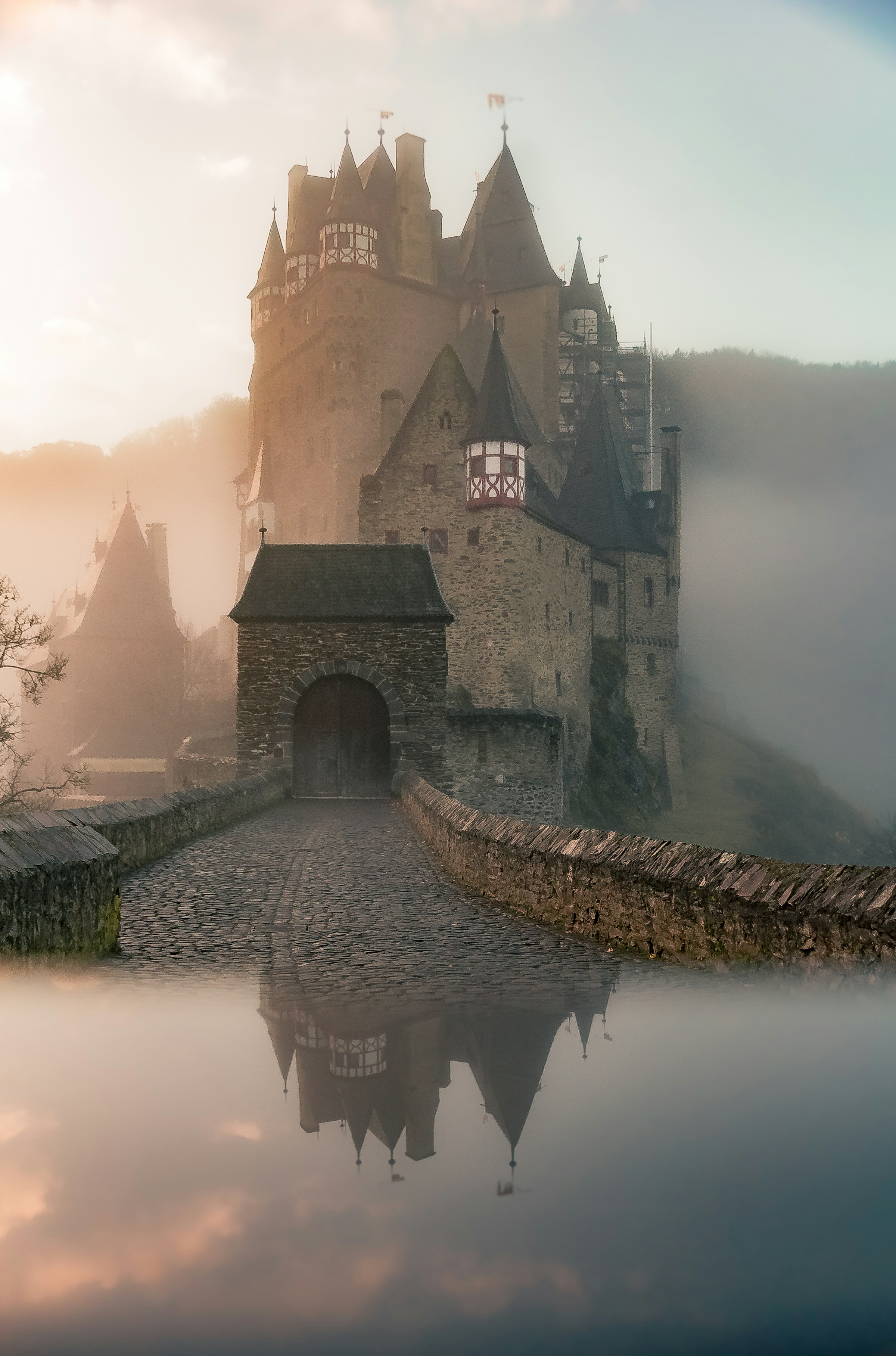
Neither Confucius nor the later ink painters had in mind the commercial moth orchid. They meant the slender, fragrant cymbidium of valleys and hillsides across China, Korea, and Japan: leaves read as calligraphic strokes, fragrance carried far yet never insistent.
Pharmacological use precedes the literary metaphor. Within the Shen Nong Bencao tradition, orchid-family plants appear as materia medica: shihu (Dendrobium), tianma (Gastrodia), baiji (Bletilla). Ideas of fragrance and of “clearing” the body underlie the later poetic vocabulary.
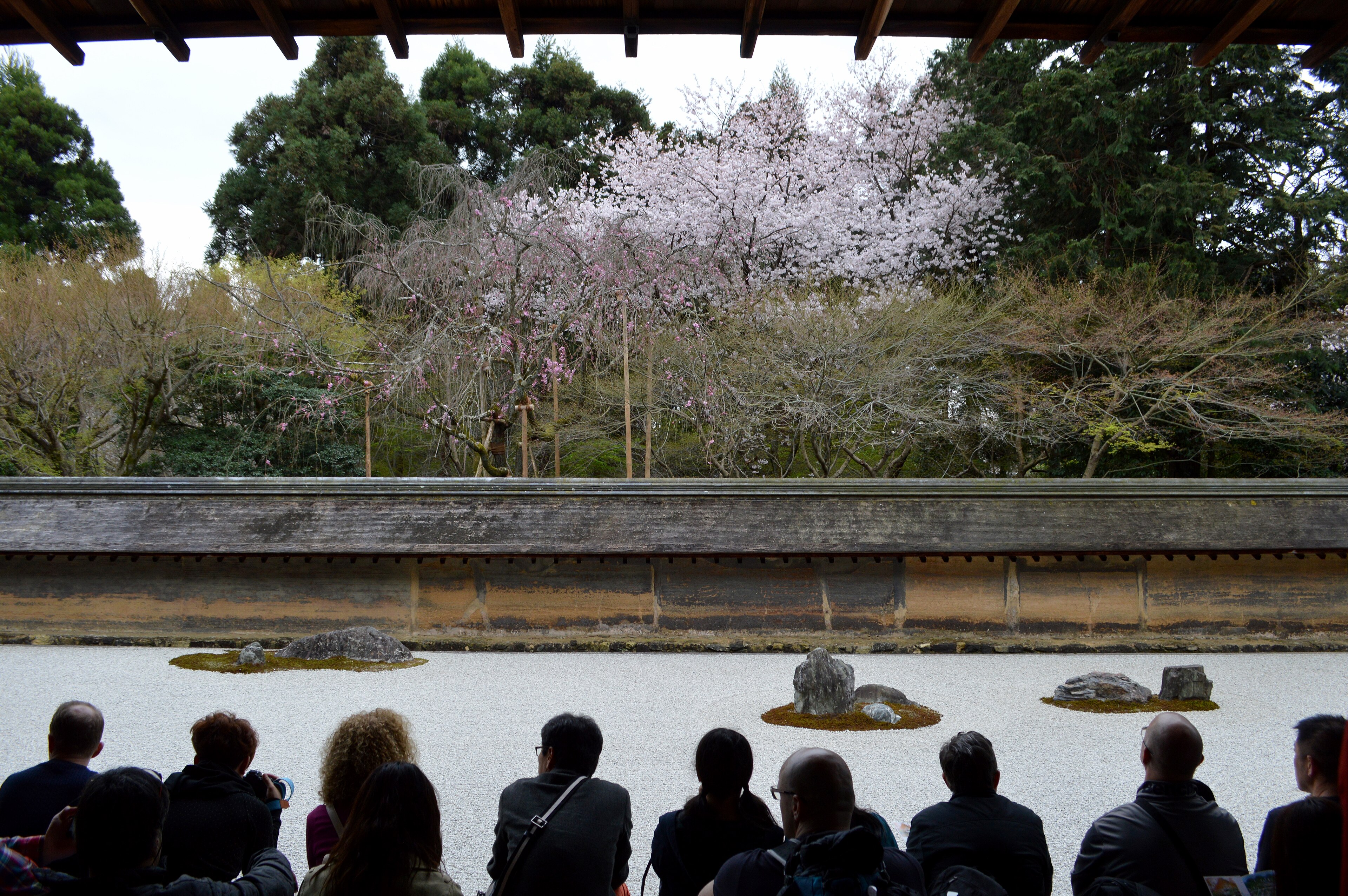
In the fifth and fourth centuries BCE, two voices fixed the orchid within East Asian ethical thought. Confucius likened the junzi to a plant that fragrances deep woods whether or not it is praised; the company of the good is “like entering a room filled with orchids.” Virtue here requires no audience. The idioms endure: konggu youlan (orchid in an empty valley), jinlan zhi jiao (friendship as intimate as gold and orchid).
Qu Yuan cultivated and wore orchids as emblems of loyalty that will not be compromised. After the fall of the Song, painters such as Zheng Sixiao depicted rootless orchids (soil withheld, homeland lost). In Korea that image continued as a figure of exile and integrity.
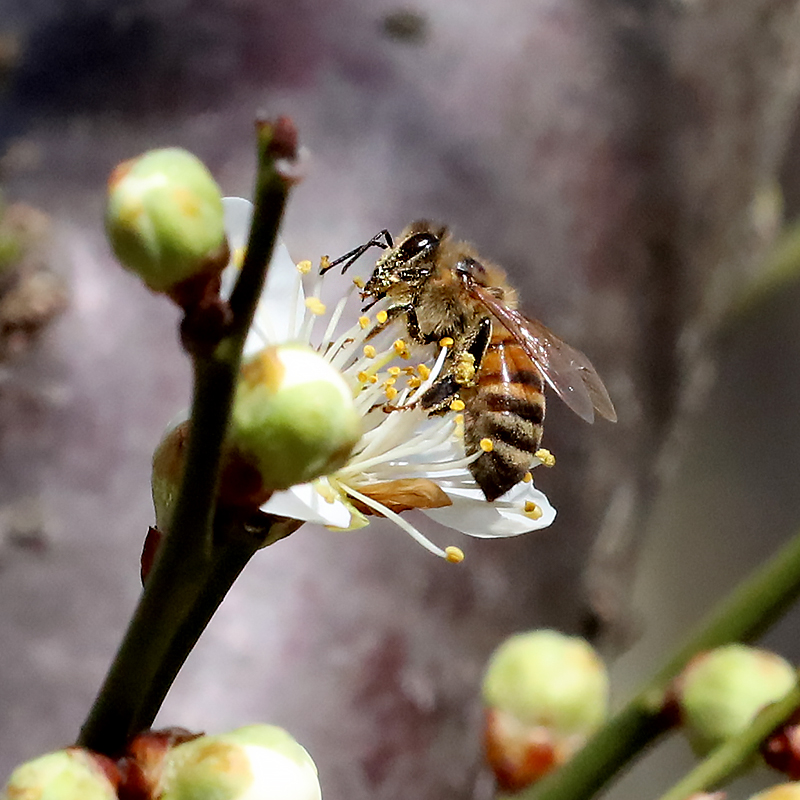
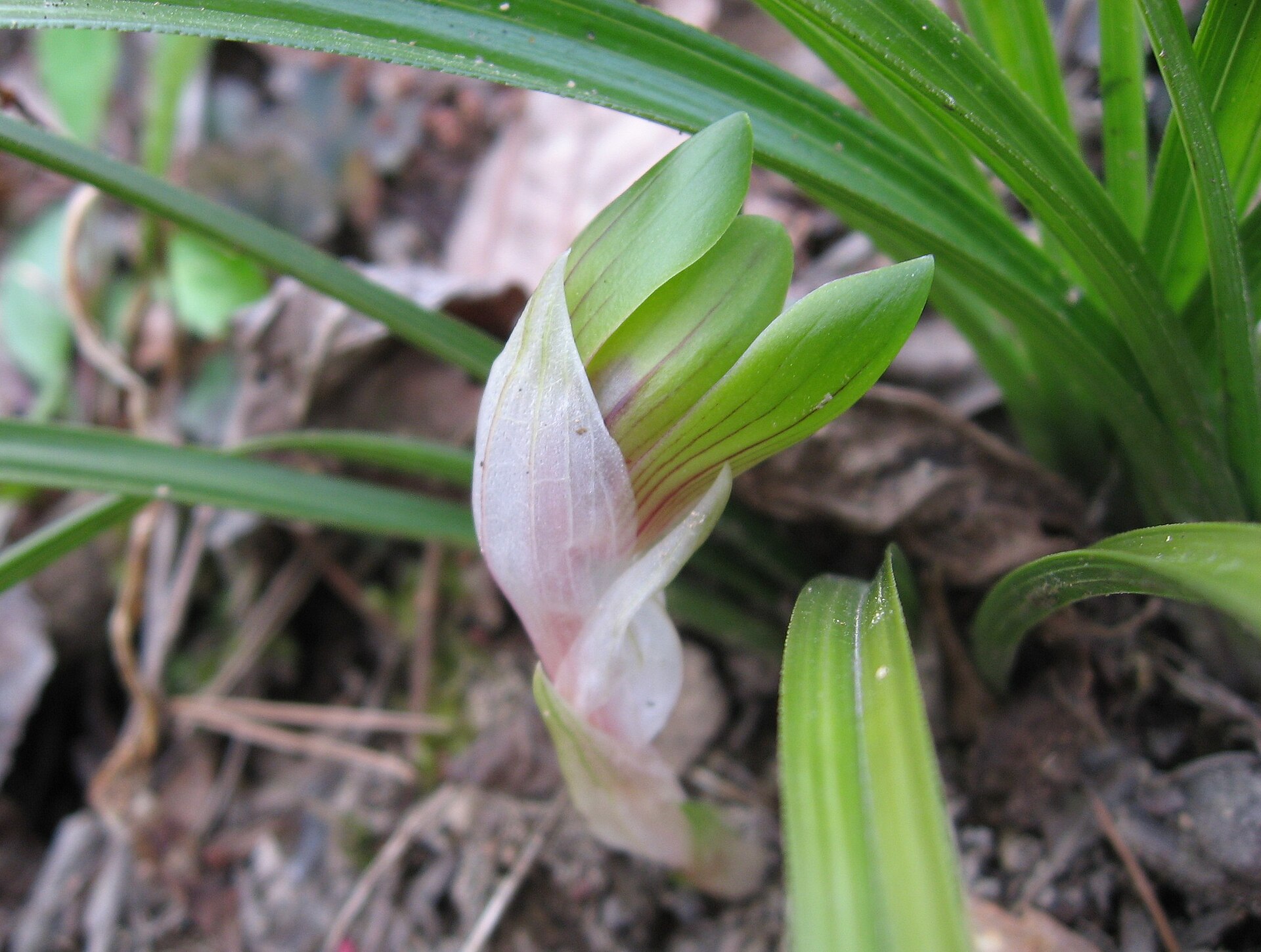
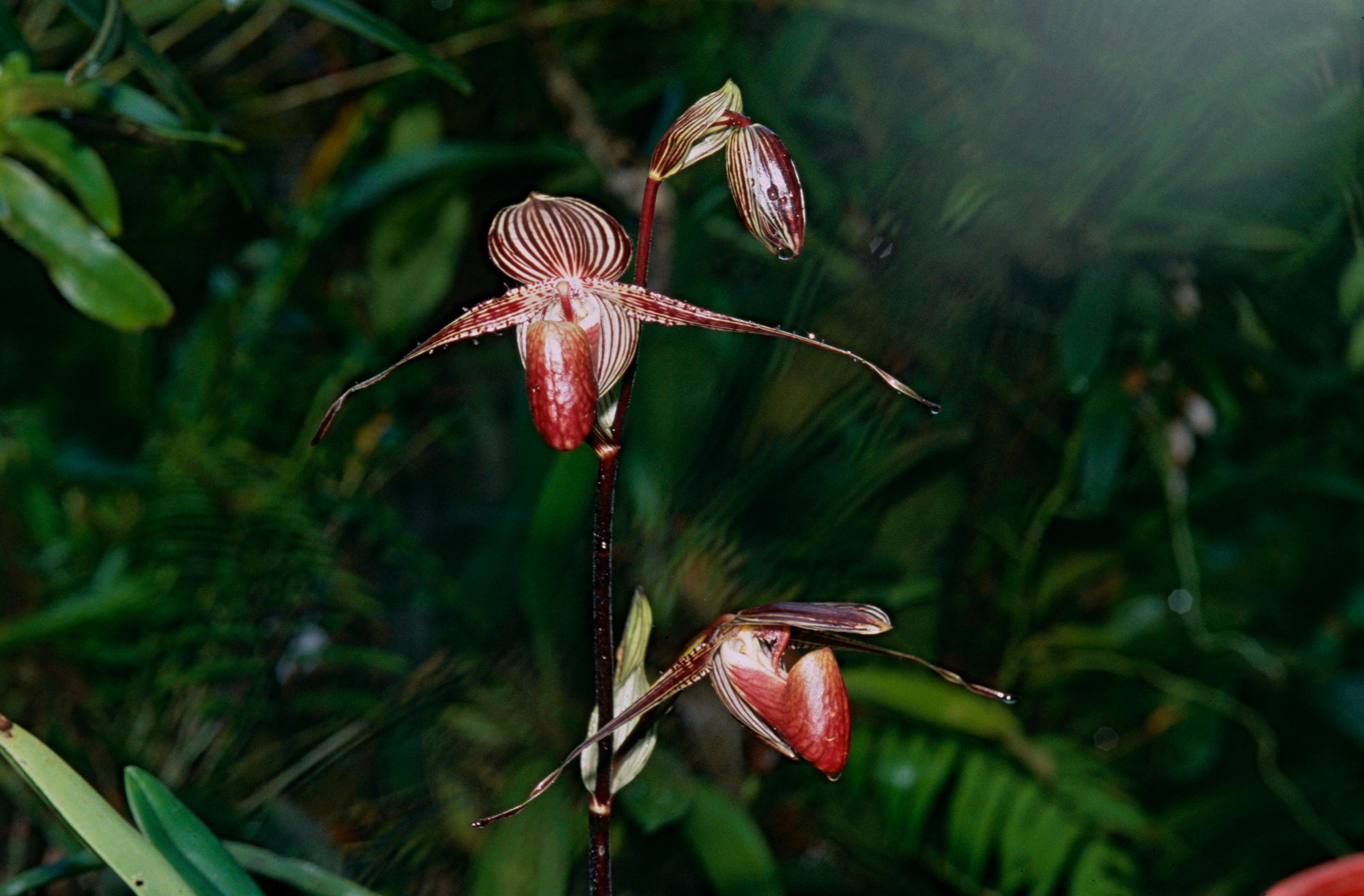
By the Song dynasty the orchid had taken its place with plum, bamboo, and chrysanthemum among the Four Gentlemen:
Constancy under adversity.
Refinement, reticent fragrance, humility.
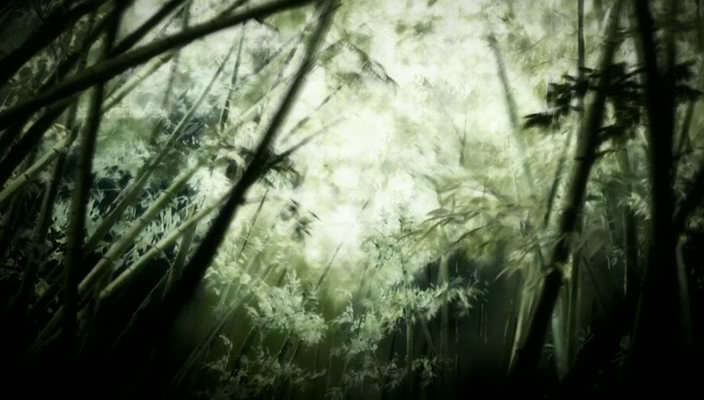
Resilience without fracture.
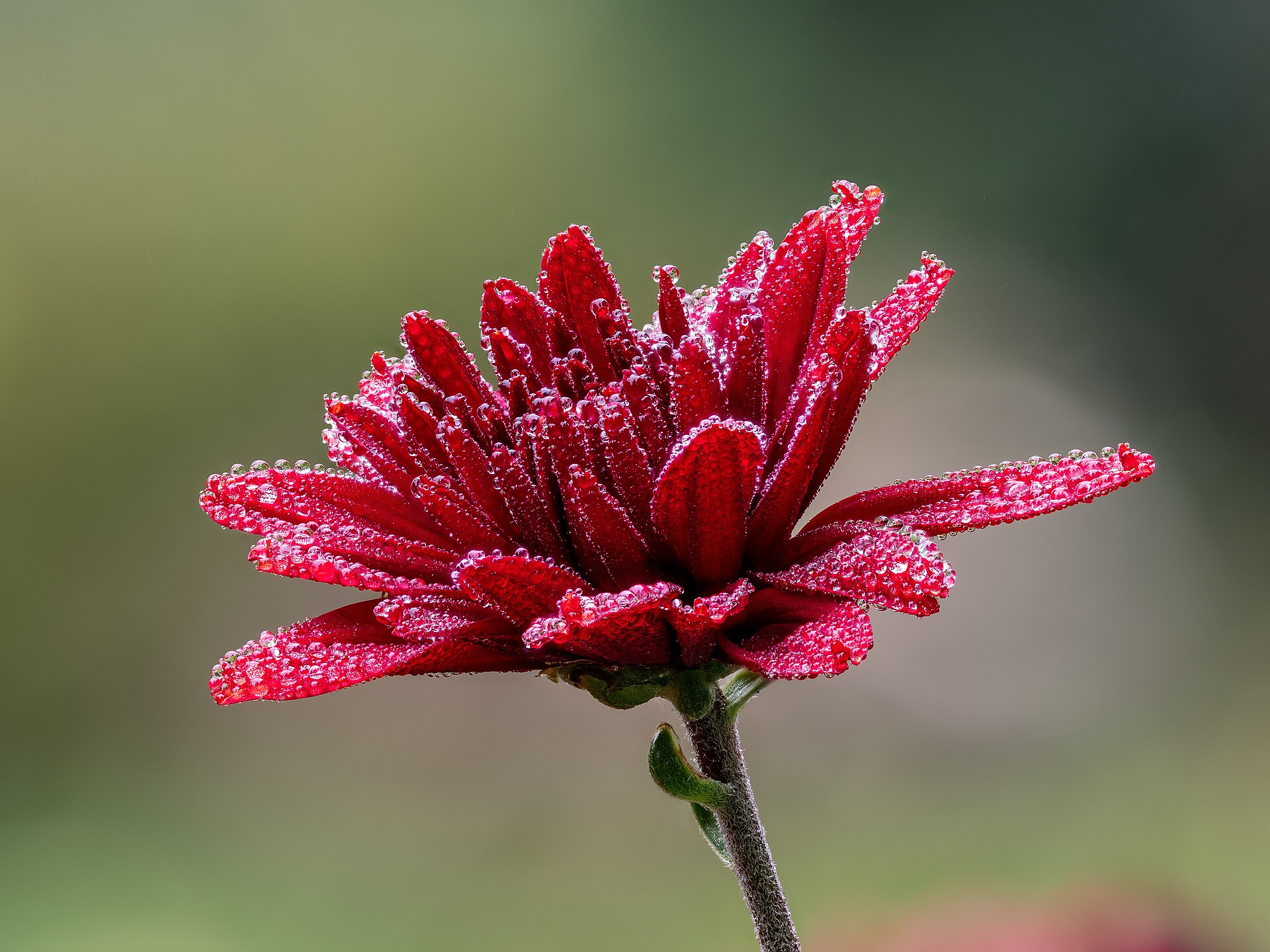
Integrity sustained into late season.
Ink painters favored the orchid because its leaves rehearse the brushwork of calligraphy. Korea carried the motif onto celadon and into scholar painting; Japan received the same Four Gentlemen set. The earliest dedicated orchid treatises are Chinese: Zhao Shikeng’s Jinzhang Lan Pu (1233) and a further Lan Pu of 1247, centuries before Europe’s orchid collecting boom.
In Japan, orchid cultivation entered the repertoire of elite accomplishment. Neofinetia falcata (fūkiran, the wind orchid, later styled the “samurai orchid”) was grown by daimyo from the Edo period onward. Connoisseurship often privileged leaf pattern over blossom. That discriminative taste persists among collectors of tōyōran.
Korea preserved the Confucian reading with unusual continuity: nobility, loyalty, fidelity. orchid-and-rock paintings join cultivated manner to unyielding character.
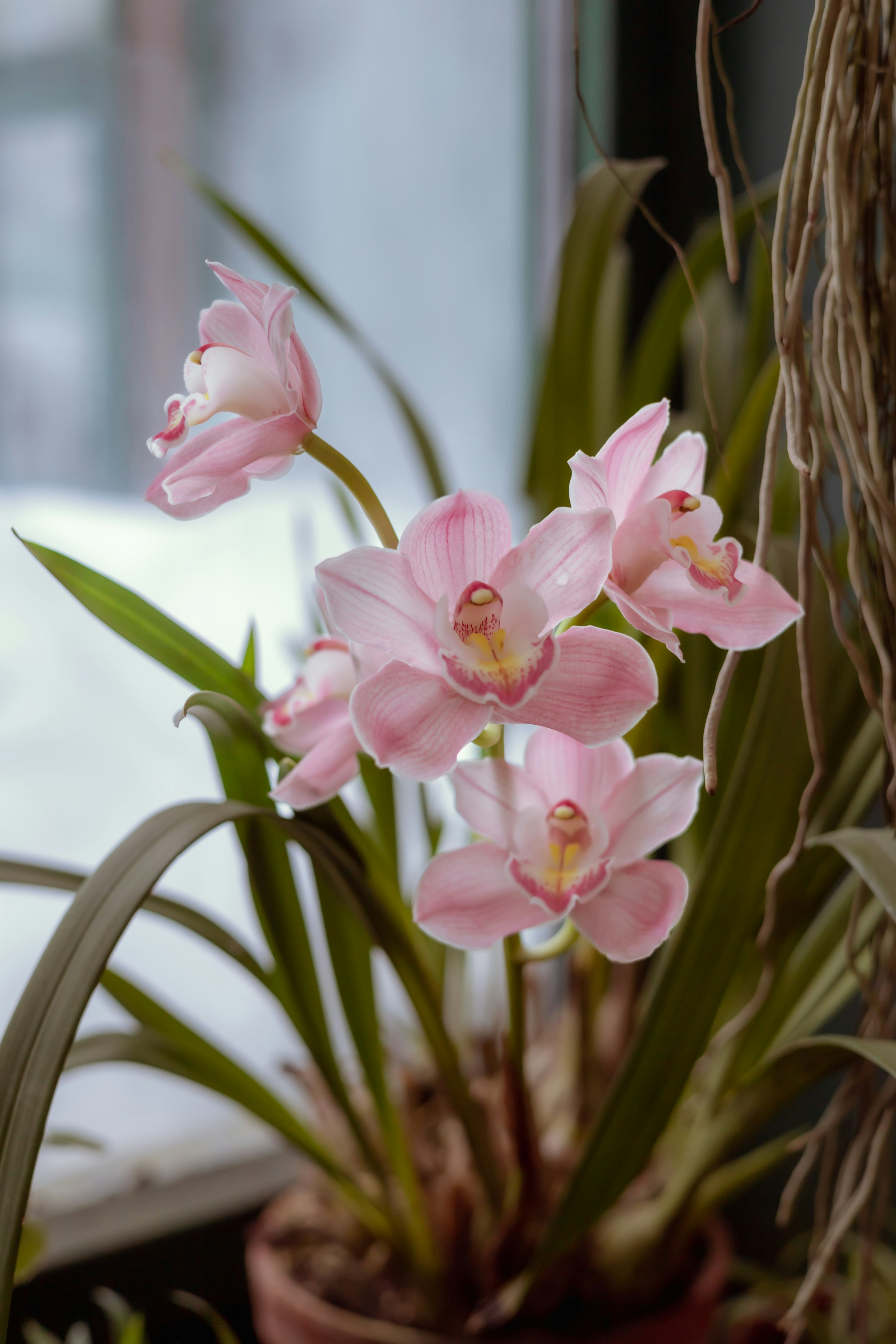
Classical East Asian lán was principally the slender cymbidium of poetry and ink. Another Asian lineage later took a different path. Phalaenopsis is a Southeast Asian genus: the Philippines, Indonesia, Borneo, New Guinea, and southern Taiwan (Orchid Island takes its name from these plants). Linnaeus described a specimen in 1753. Blume established the genus in 1825 after mistaking a cluster in flight for moths. Through centuries of trade, botany, and breeding, above all in Taiwan, this moth orchid evolved in gardens and markets into the plant most people now mean when they say orchid.
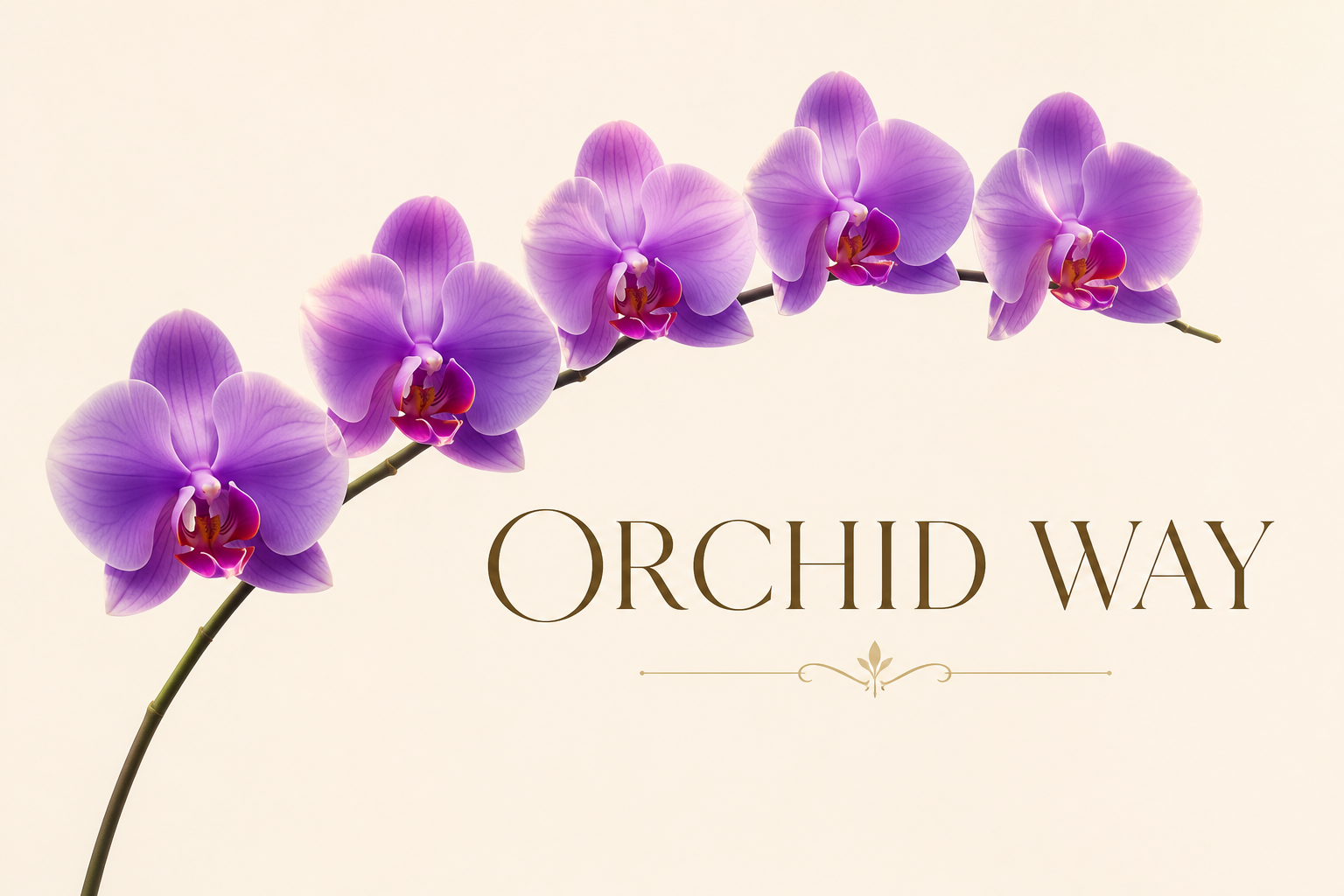
That is the orchid most contemporary viewers recognize, and the form echoed in the violet mark of Orchid Way. It is Asian, yet it is not the Confucian lán: a different species, a different cultural history, within the same broad region. The moral metaphor belonged first to the valley cymbidium. The living-room orchid is what public memory made of another Asian plant.
Across some twenty-five centuries, East Asia taught the orchid as a language before it sold the orchid as a plant. The story runs from pharmacy and poetry to the scholar’s desk, the garden, and the living room: a continuous argument about character, beauty, and belonging.
Eight chapters of that argument, read in order.
Confucius fixed the orchid as a moral self-portrait: fragrance in deep woods whether or not anyone praises it. Virtue that does not require an audience.
Konggu youlan: the orchid in an empty valley. Hidden virtue, self-possession, and the refusal to bloom only for the court.
Qu Yuan wore orchids as fidelity. After the Song, rootless orchids (Zheng Sixiao and later Korea) named loss of homeland without loss of integrity.
Qing connoisseurship prized orchid fragrance as clear, faint, and lasting: an aesthetic of restraint that doubled as a social ideal.
Ink painters treated orchid leaves as brush practice. To draw the plant was to rehearse writing; the hand learned character twice.
Jinlan zhi jiao: friendship as intimate as gold and orchid. The plant entered gift culture as regard, alliance, and good fortune.
Japan cultivated fūkiran as elite discipline (leaf over bloom). Korea kept the Confucian reading on celadon and scholar painting: nobility paired with rock.
Materia medica became imperial cultivation, then the living plant of the modern interior. The moral metaphor never fully left the flower that still arrives as a gift.
We believe that Asian art is not a closed chapter of history. It is a living continuum.
From long orchid sprays and Japanese gardens to the carved jades of ancient China; from the temples of Angkor to Korean celadon and lacquer; from the textiles of the Indonesian archipelago to Japanese woodblock prints; from Himalayan sacred painting to the contemporary cities of Seoul, Manila, Jakarta, Singapore, Shanghai, Tokyo, Taipei, Hong Kong, and beyond, East and Southeast Asia have produced an extraordinary record of human imagination.
An archive is not alive simply because it survives. It becomes alive when someone carries it forward. That is the premise of this collective.
We seek a place where heritage and living work are understood as one artistic conversation. We begin with history because without history we cannot fully understand the choices artists make today. We study eras, traditions, materials, movements, places, and named artists. We learn the languages of the past before asking what the present might say in reply.
Then we open the walls. The purpose of studying the past is not to remain there. It is to recognize what has endured, what has transformed, what has disappeared, and what is now being invented.
Our vision is therefore neither a museum of nostalgia nor merely a gallery of contemporary art. It is a gathering place for the continuum of East and Southeast Asian artistic life. We place the ancient beside the newly made, not for contrast alone, but for conversation.
A centuries-old ceramic tradition may illuminate the work of a young ceramicist. A Japanese garden may offer a vocabulary for an installation. A Buddhist image may clarify contemporary questions of presence and absence. A textile pattern carried through generations may reappear in digital form. The discipline of a traditional swordsmith may resonate with the rigor of a contemporary sculptor. A lacquer box, a photograph, a film, a piece of architecture, or a handmade object may each reveal how artists inherit, resist, and reinvent the worlds that precede them.
Here curating becomes more than selection. It becomes translation across generations.
Serious appreciation begins with knowledge. We study civilizations, dynasties, philosophies, materials, techniques, migrations, and exchanges. We name the artists who shaped the canon, and we question the canon: who was preserved, overlooked, misclassified, or forgotten. History is not a pedestal. It is a conversation.
Tradition does not belong only to the past. A ceramic technique, a weave, a lacquer method, a calligraphic discipline, or a relationship to landscape remains vital because each generation continues and changes it. The traditional maker and the contemporary artist belong in the same story.
There is no single Asian aesthetic. There never was. We refuse to flatten East and Southeast Asia into one recognizable style. We want Japan to be Japan, Korea Korea, China China, the Philippines the Philippines, Indonesia Indonesia, Vietnam Vietnam, Thailand Thailand, Cambodia Cambodia, Myanmar Myanmar, Malaysia Malaysia, Singapore Singapore, Taiwan Taiwan, Mongolia Mongolia, and Tibet Tibet, each in its own voice, and those voices to meet.
Asia does not end at its borders. London, Los Angeles, New York, Vancouver, Sydney, Paris, San Francisco, and many other cities form part of the geography of Asian artistic life. The diaspora is not an appendix. It is one of the contemporary forms of the field: migration, memory, hybridity, inheritance, return, and cultural translation.
We honor artists who have already transformed the history of art, from Kusama, Paik, Zao Wou-Ki, and Noguchi to Ai Weiwei, Murakami, Xu Bing, Cai Guo-Qiang, Sugimoto, and many others. Recognition is not our destination. Discovery is. For every celebrated name, artists work quietly whose work has not yet entered the international conversation. Our responsibility is to see them clearly. The Open Call is where that search is invited.
Painting and sculpture are part of the story. So are ceramics, textiles, lacquer, metalwork, jewelry, wood, bamboo, paper, calligraphy, photography, film, architecture, furniture, prints, armor, ritual objects, and new media. East and Southeast Asian artistic culture has never respected narrow borders between fine art, craft, and design. The question is whether a work possesses artistic consequence.
A collection becomes meaningful when works speak to one another across time: a Song landscape beside a contemporary meditation on nature; Korean celadon beside a living vessel; an Edo screen beside abstraction; a historical textile beside an installation. The exhibition becomes a form of scholarship. The wall becomes an argument.
Collectors can do more than acquire. They can preserve, educate, and give artists freedom to continue. The greatest collection is not necessarily the most expensive. It may be the one that tells the most consequential story.
We look beyond major art-world capitals and fair-circuit representation: toward universities, regional museums, family collections, craft traditions, independent studios, and communities where extraordinary work is made without international recognition. How that search is conducted, and how work is submitted, is set out in the Open Call.
Every serious collection becomes a record of its time. We wish ours to record not only what East and Southeast Asia have been, but what they are becoming: cities, migrations, technologies, ecological questions, new languages of identity, the continuing force of Buddhism, Confucianism, and Daoism, and the pressure of cinema, architecture, and popular culture on form.
Ultimately this collective should become more than an exhibition calendar. It should become a living map: a place where an artist from Kyoto may be discovered beside an artist from Manila; where a master craftsman may stand beside a young installation artist; where an overlooked painter may enter conversation with a canonical figure; where a scholar may introduce a history at risk of being forgotten; where a young artist may see a lineage behind their own work.
We want a continuum, not a hierarchy, and not a single story: a constellation. No single star explains the sky. East and Southeast Asian art is too vast for one institution, one country, one museum, one market, or one generation to define.
Our task is not to claim ownership of that story. It is to help reveal it: to gather its fragments, to give extraordinary work a wider audience, to create relationships among artists, collectors, scholars, institutions, and communities, to preserve what should endure, and to recognize what is emerging.
We begin with the masters. We learn from the ancestors. We listen to the living. Then we turn toward the artists who have not yet been fully seen.
A collective for heritage and living work. A gathering of what has endured and what is becoming. A living map of East and Southeast Asian art, continually being drawn.
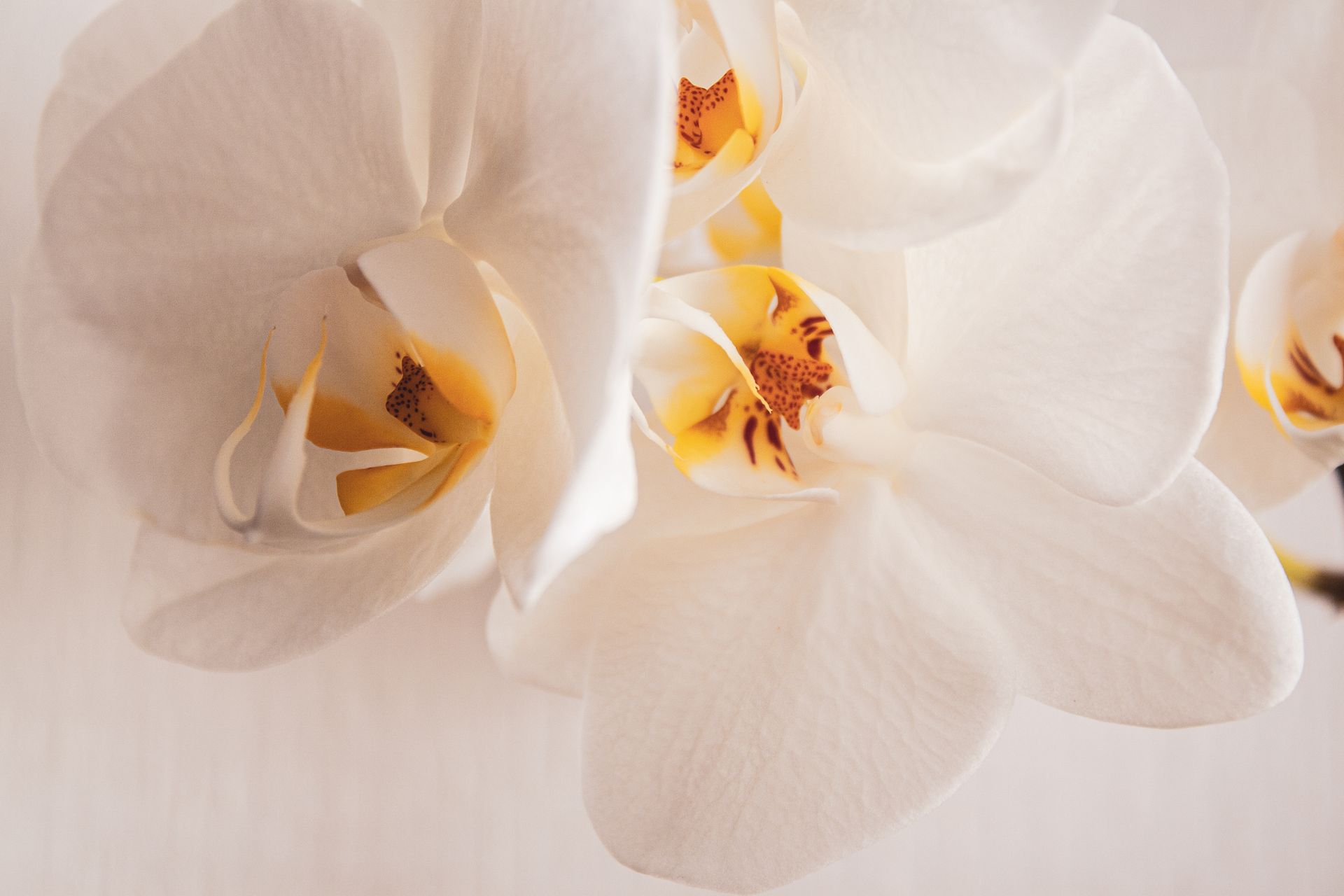
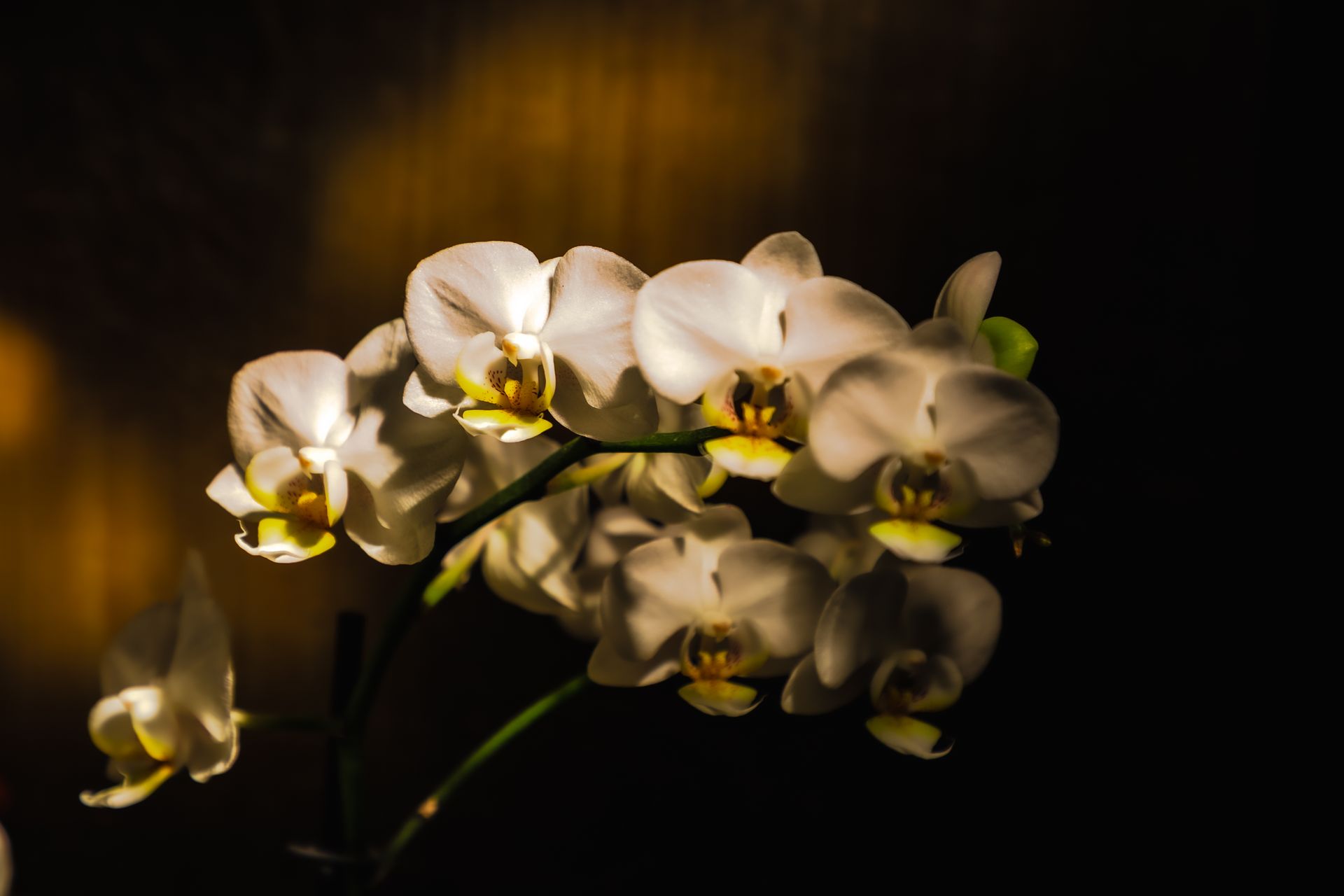
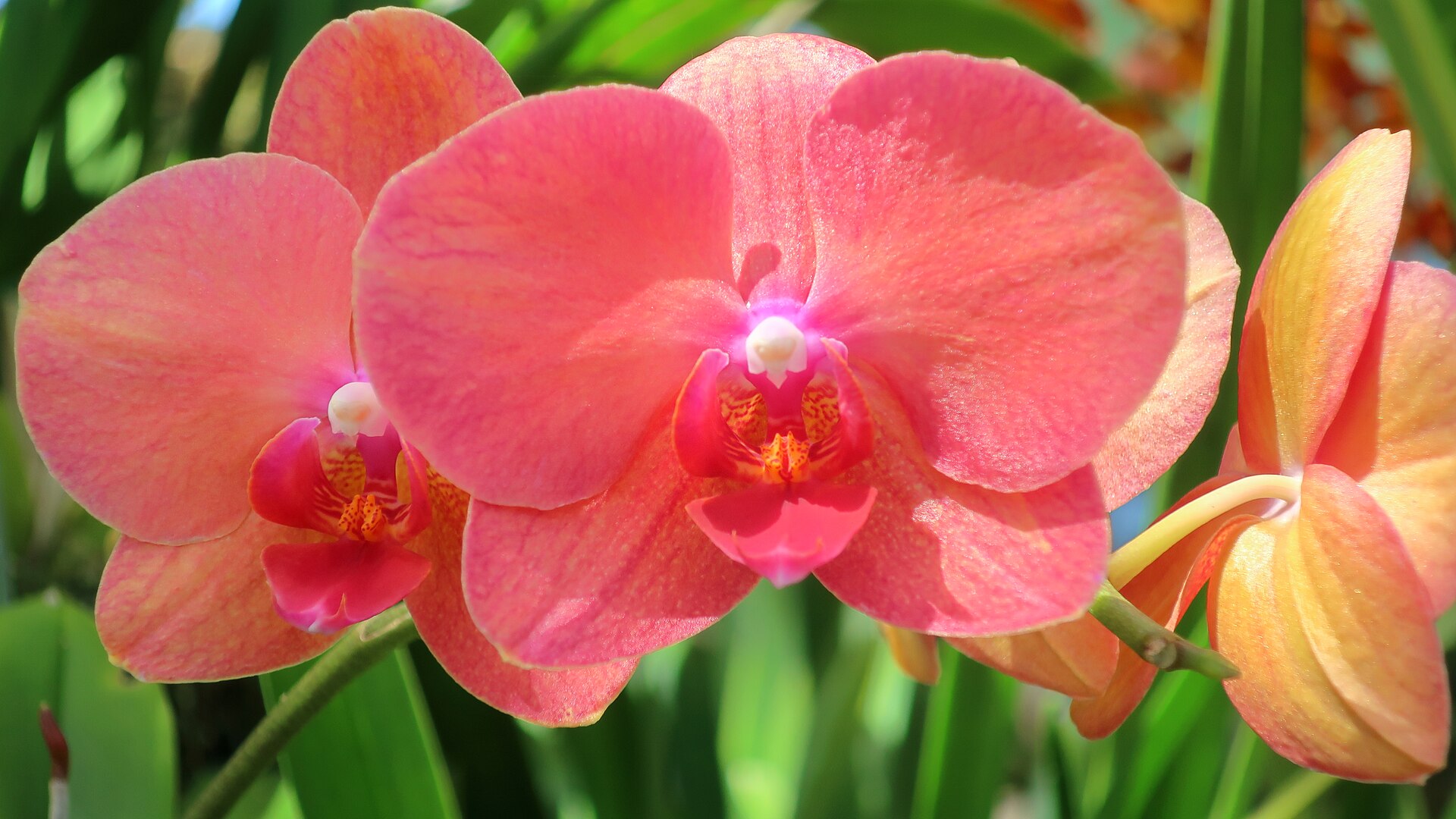
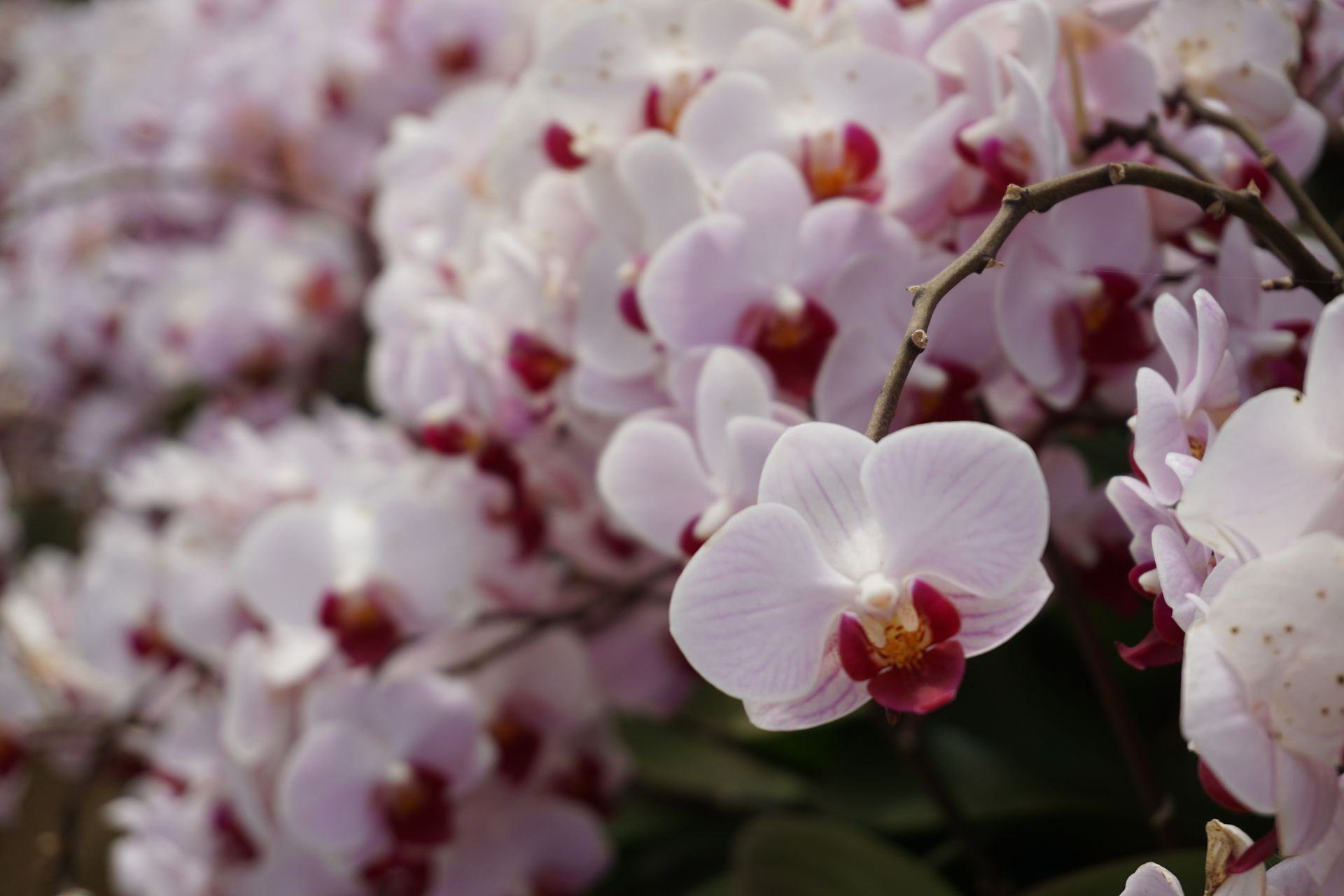
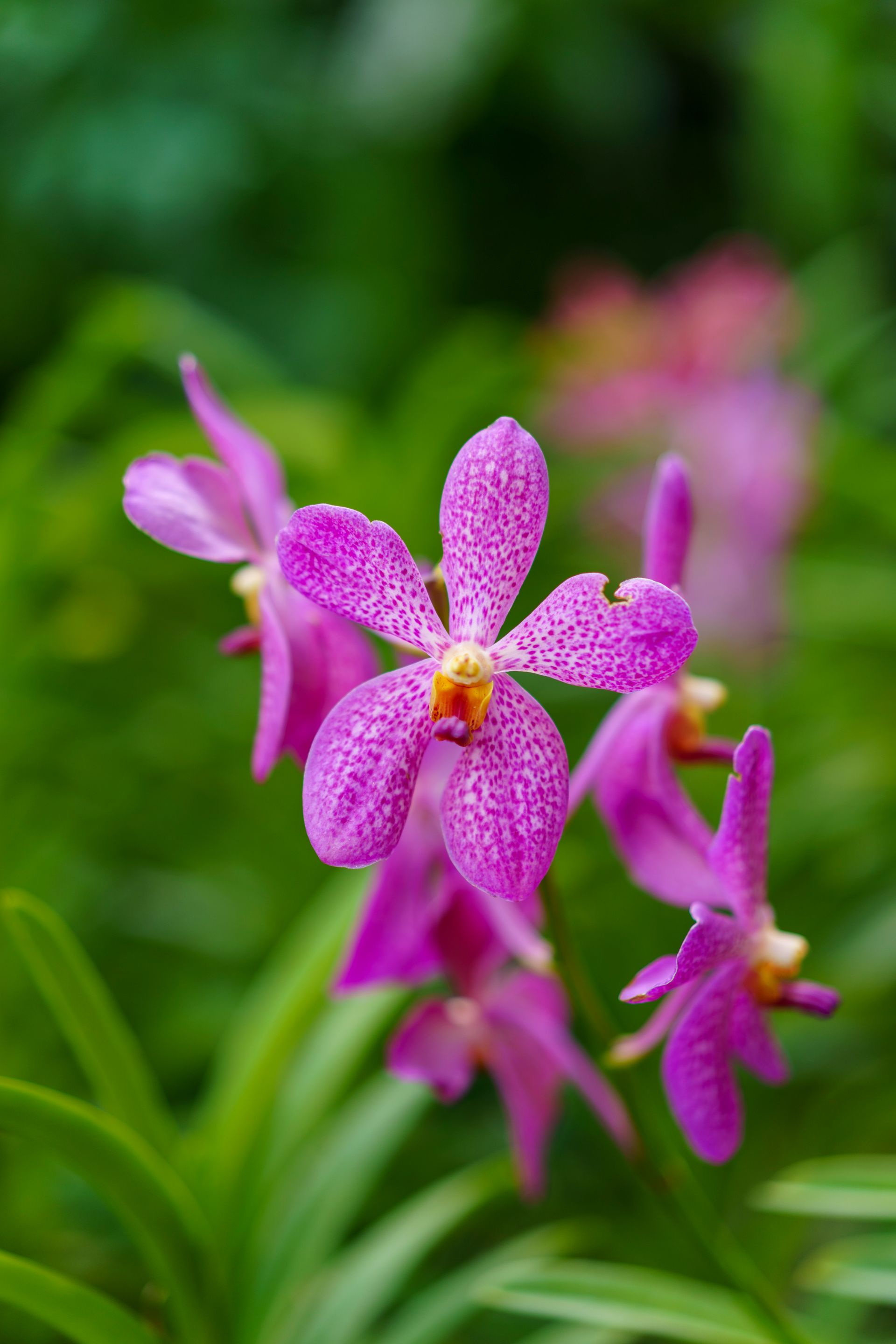
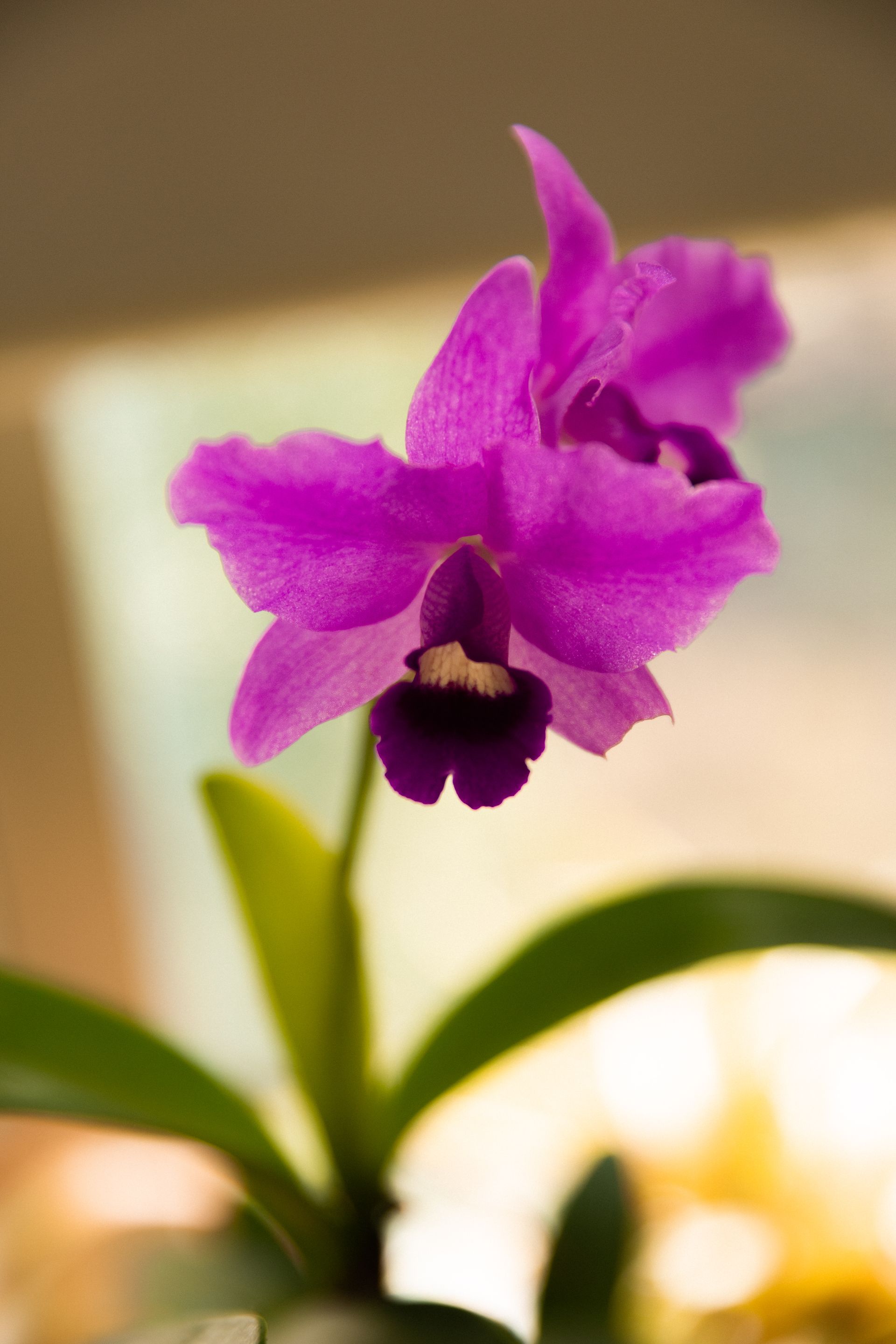
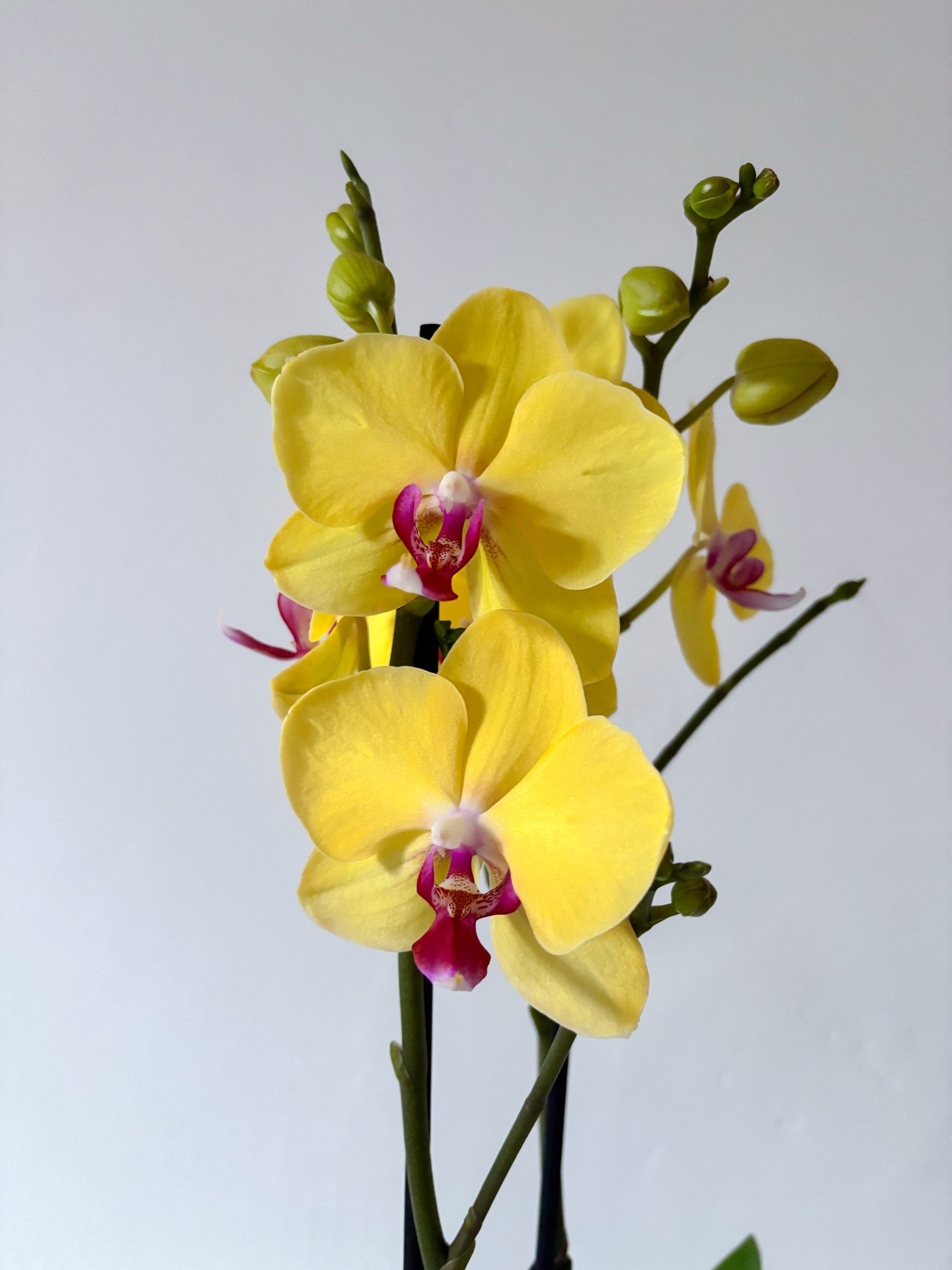
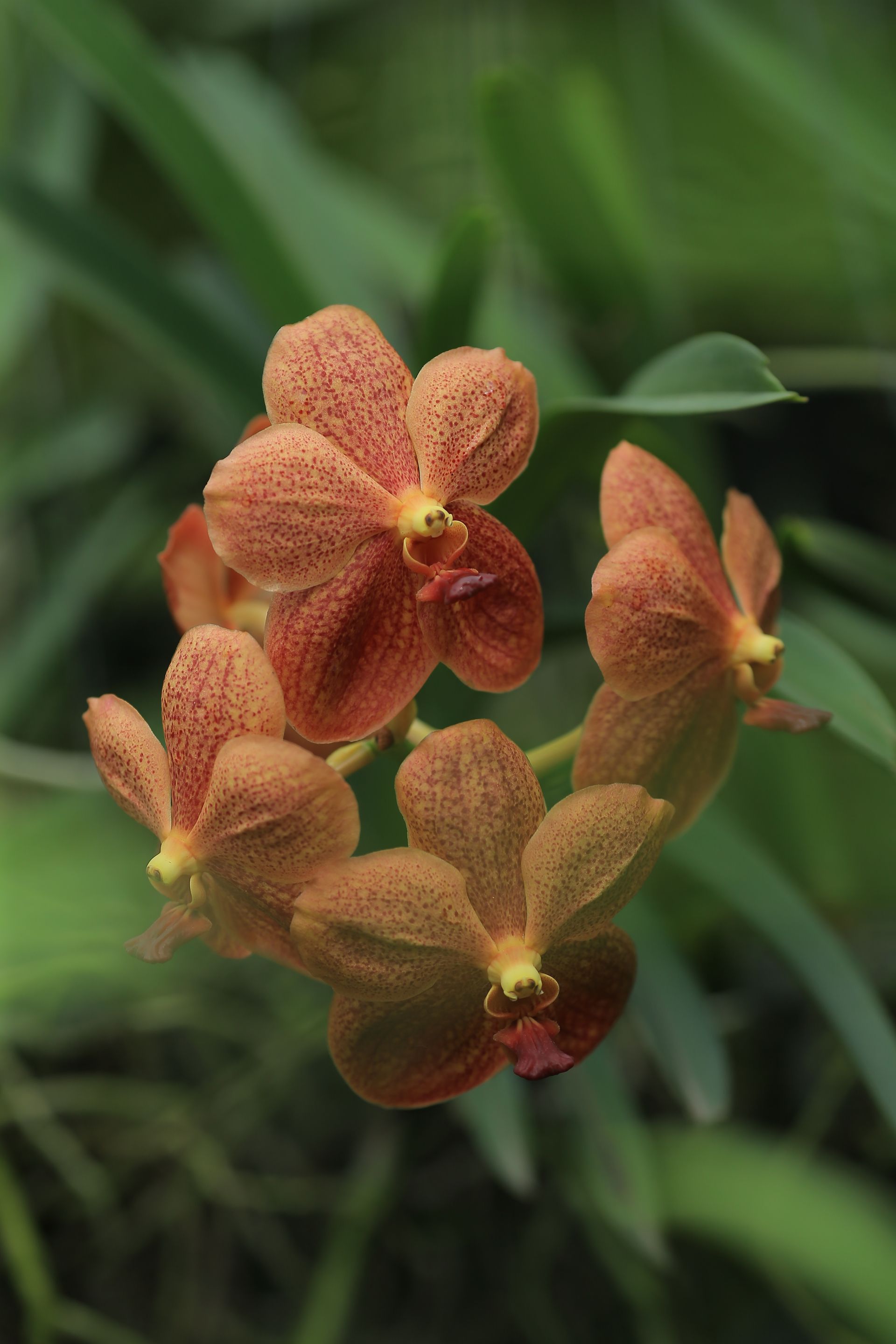
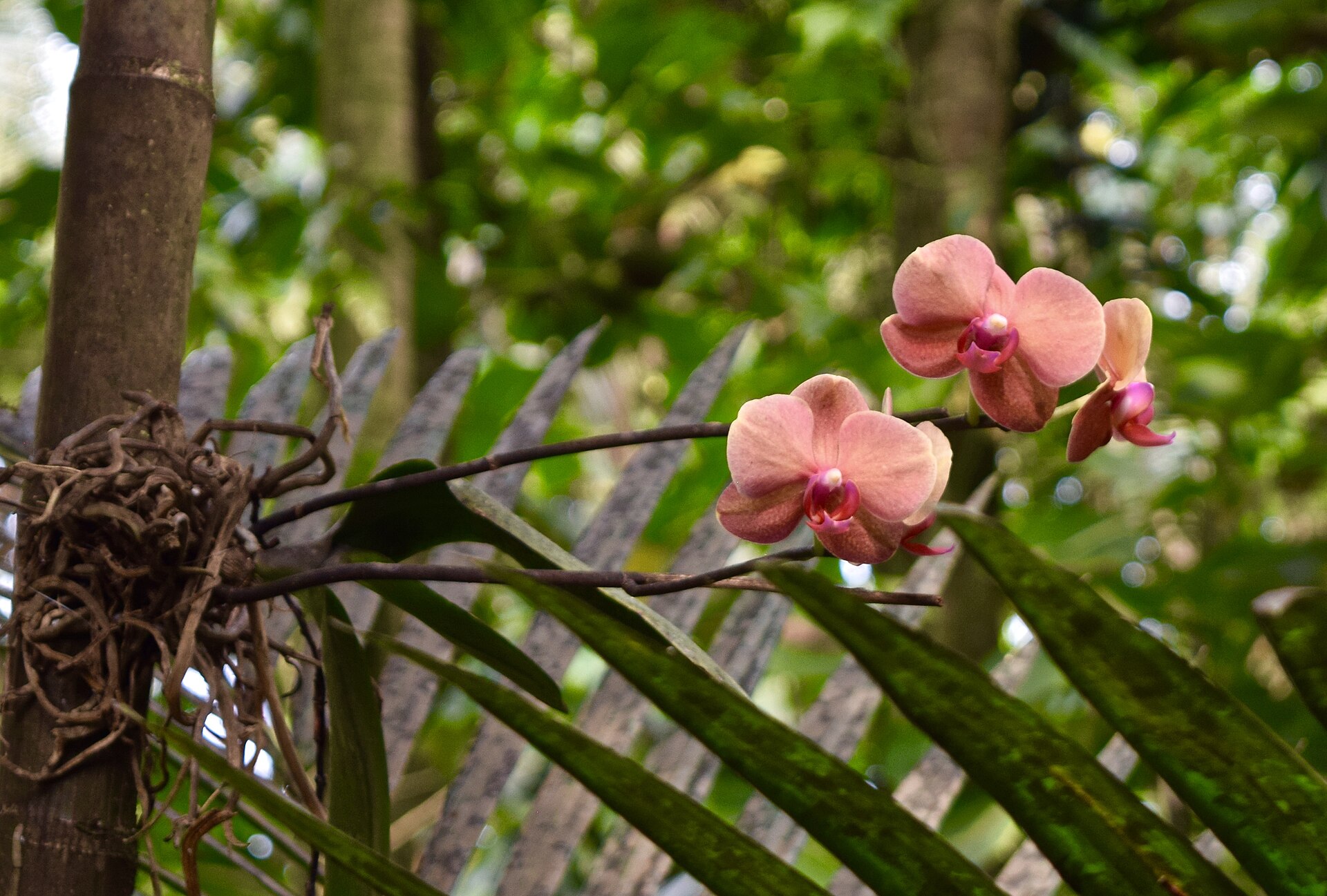
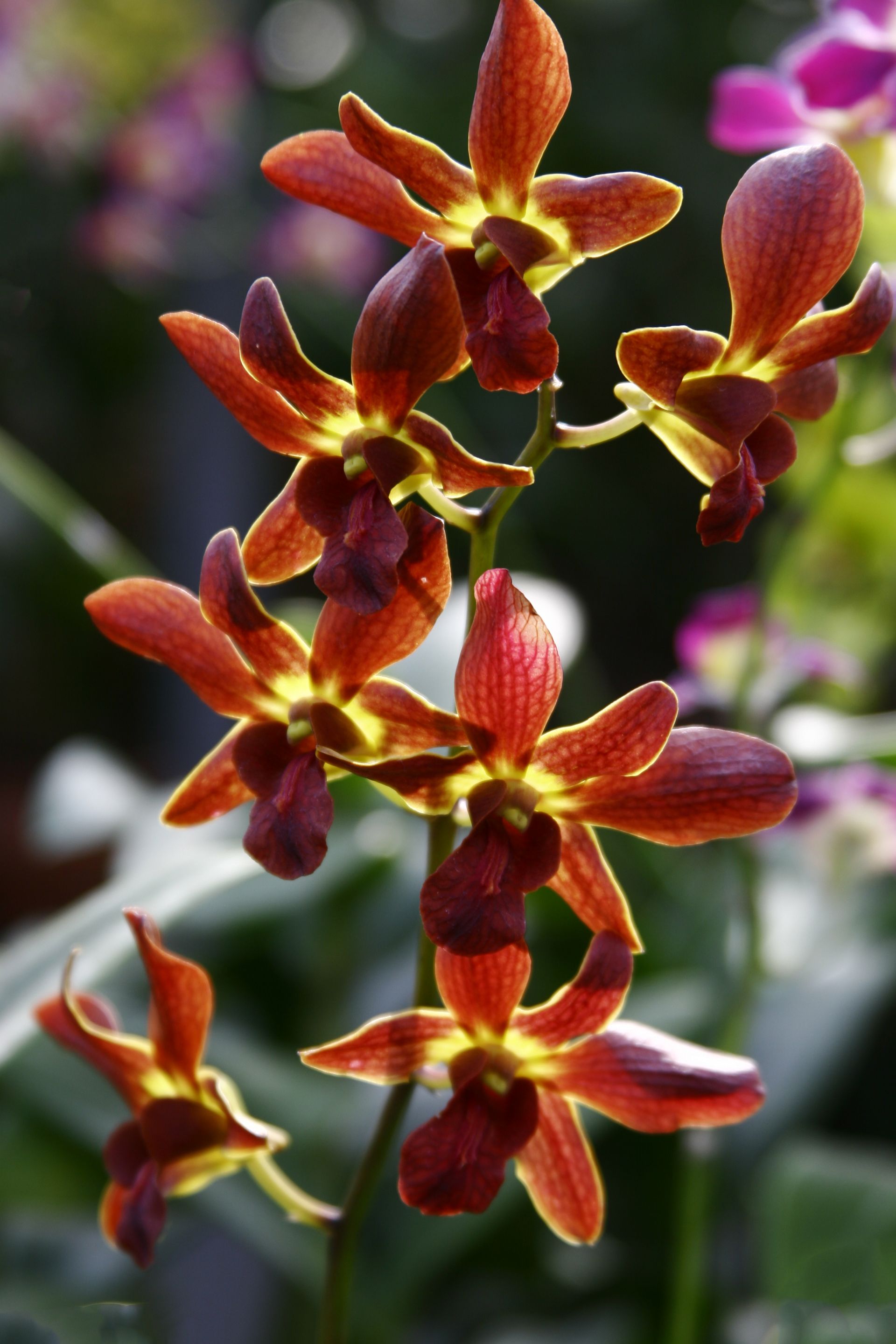
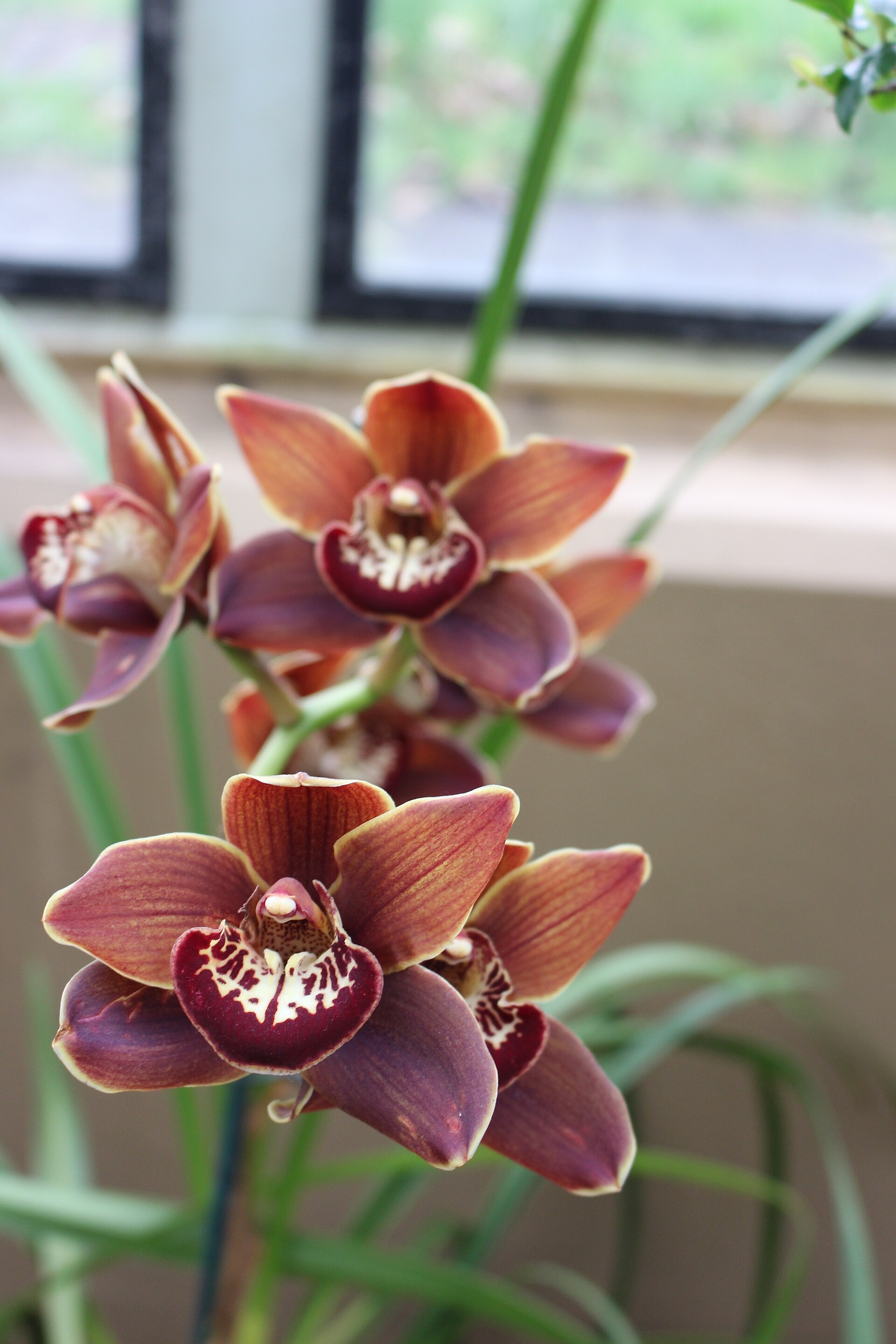
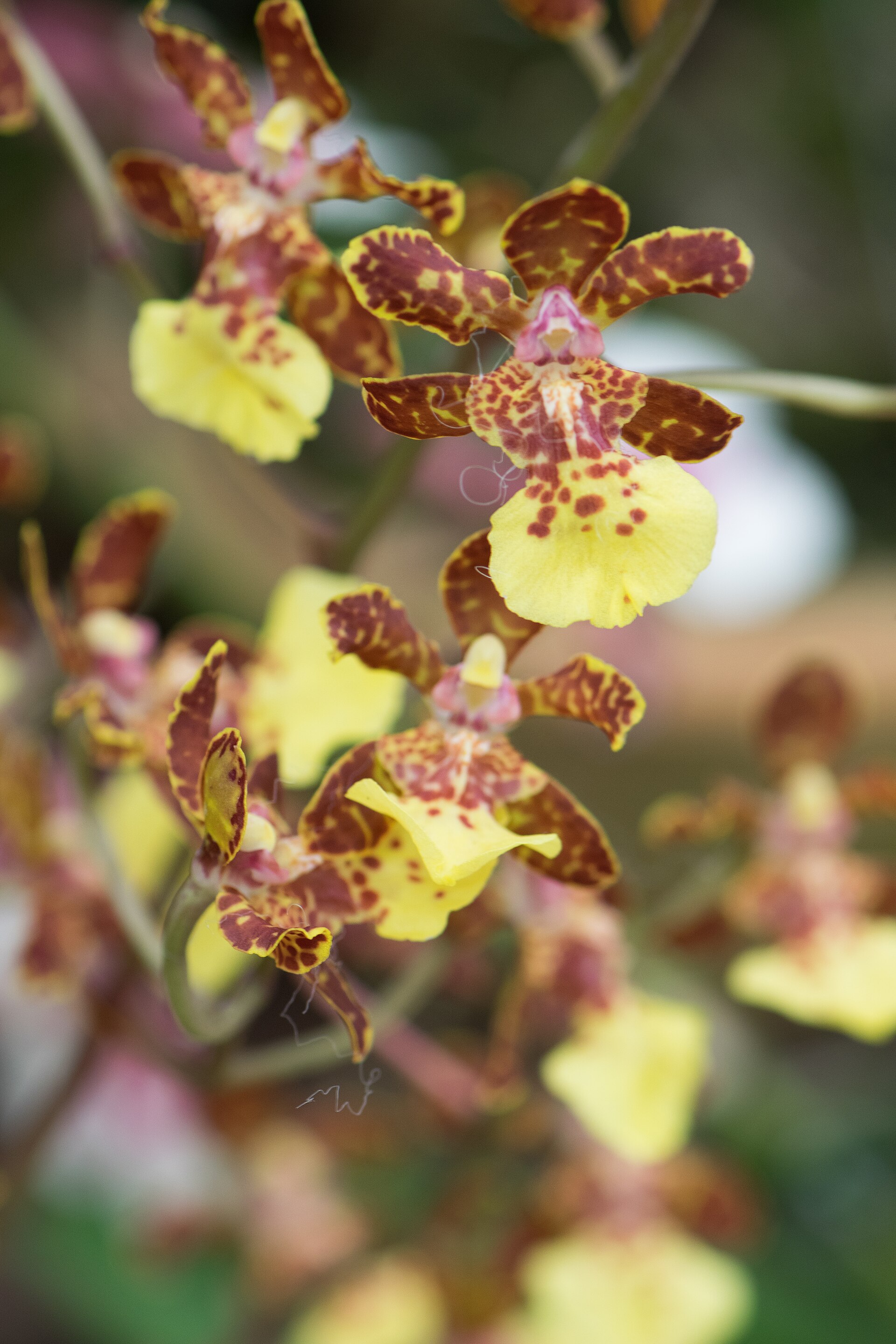
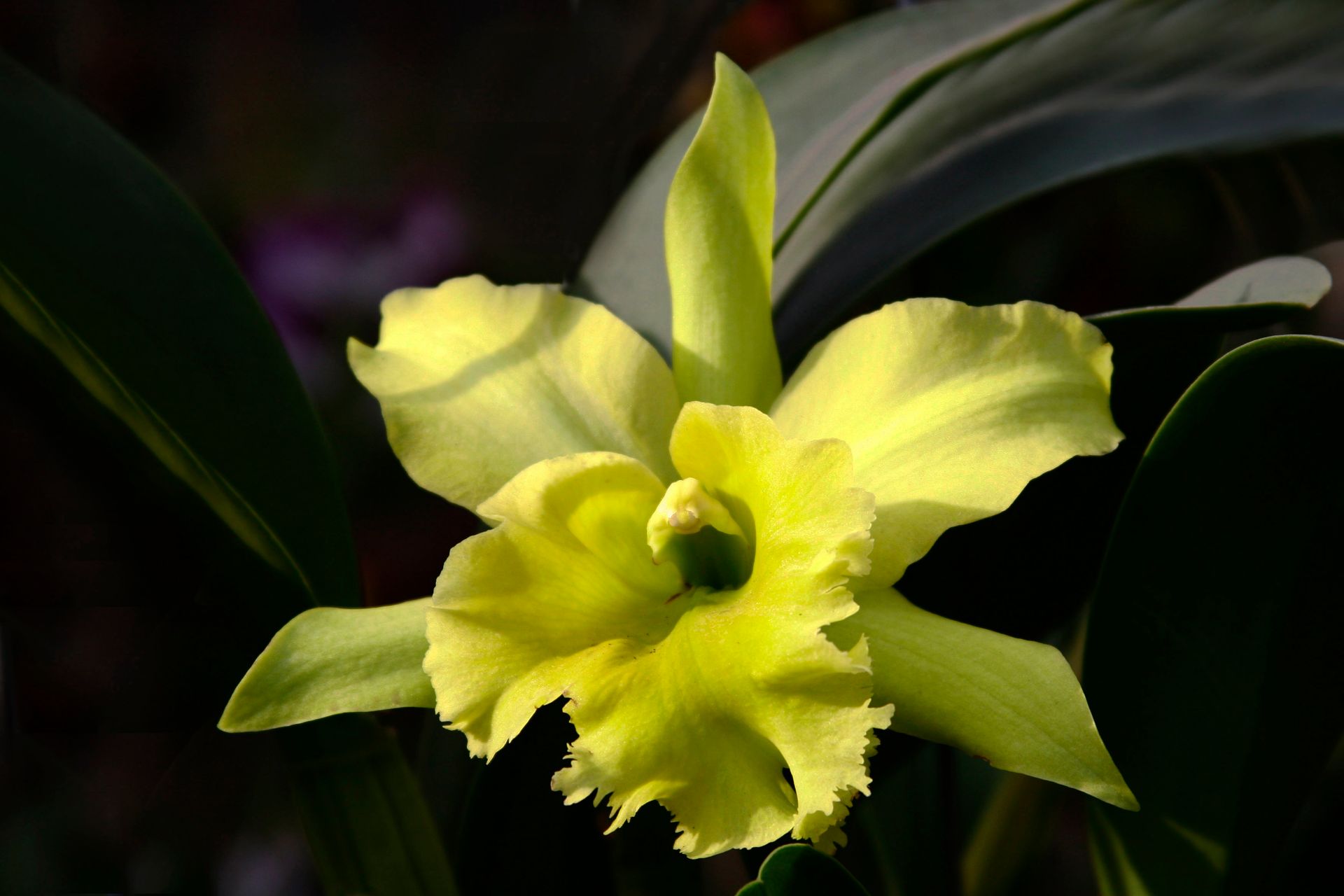
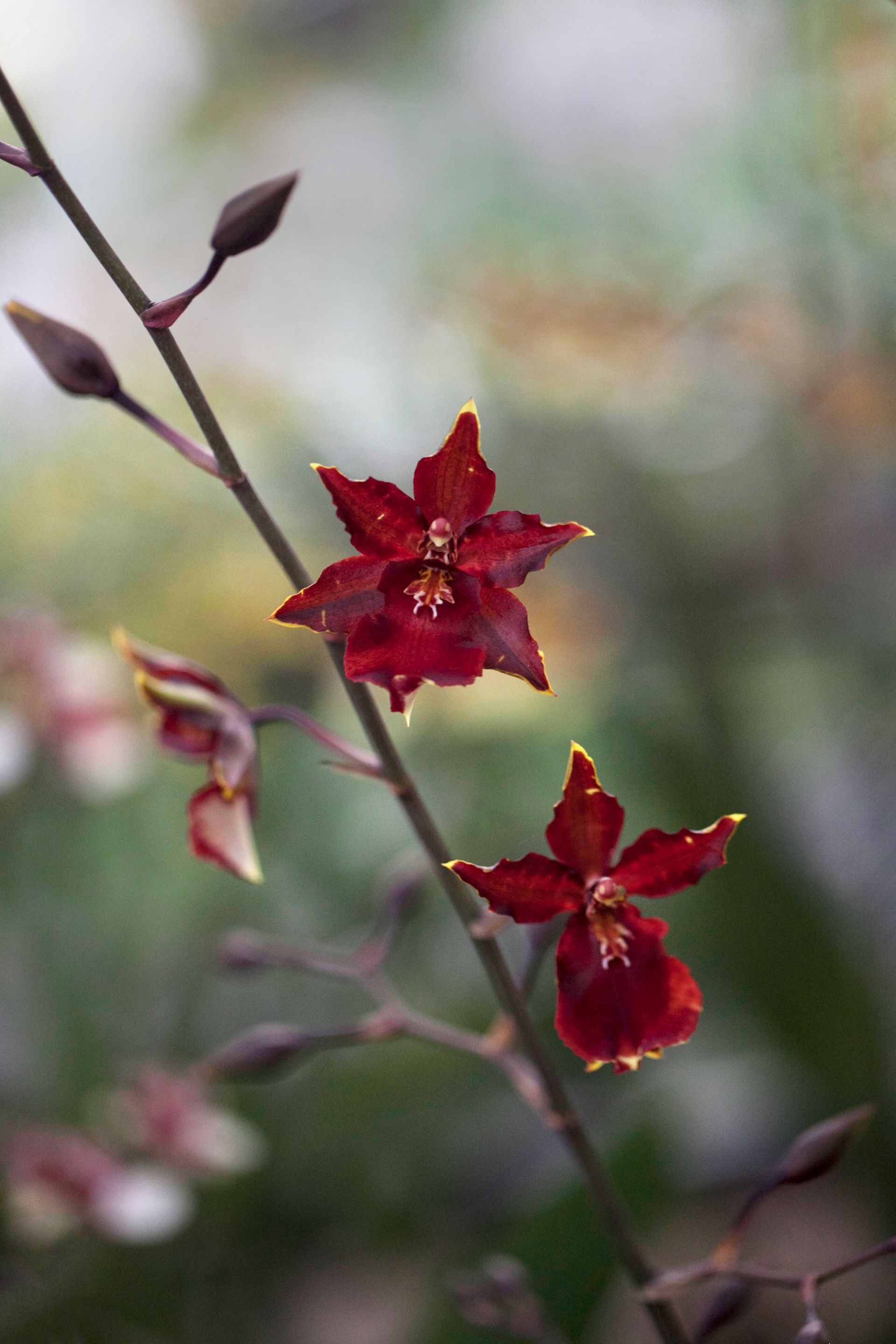
Orchids come in strings.
Long, graceful, improbable forms in which one stem carries many blooms, each distinct, yet belonging to the same living structure.
Perhaps there is no better metaphor for the artistic traditions of East and Southeast Asia.
Across thousands of years and an immense geography, this art has never been one flower. It has been a constellation of forms, disciplines, philosophies, and traditions, connected by long histories of inheritance and transformation. One generation gives something to the next. A technique becomes a language. A symbol becomes an image. A material becomes a tradition. A tradition is carried forward, altered, and made new.
The beauty lies not in uniformity, but in variation.
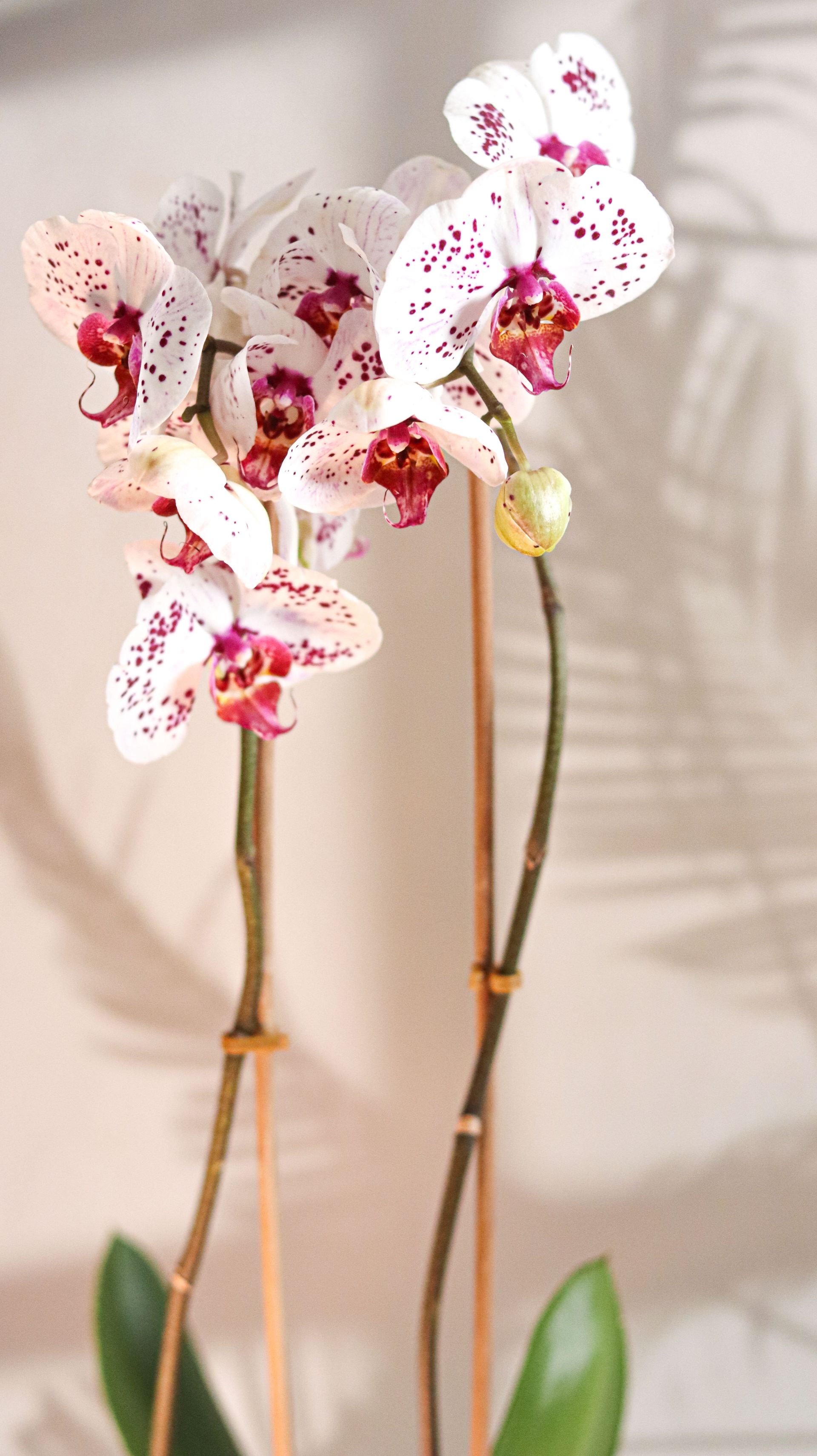
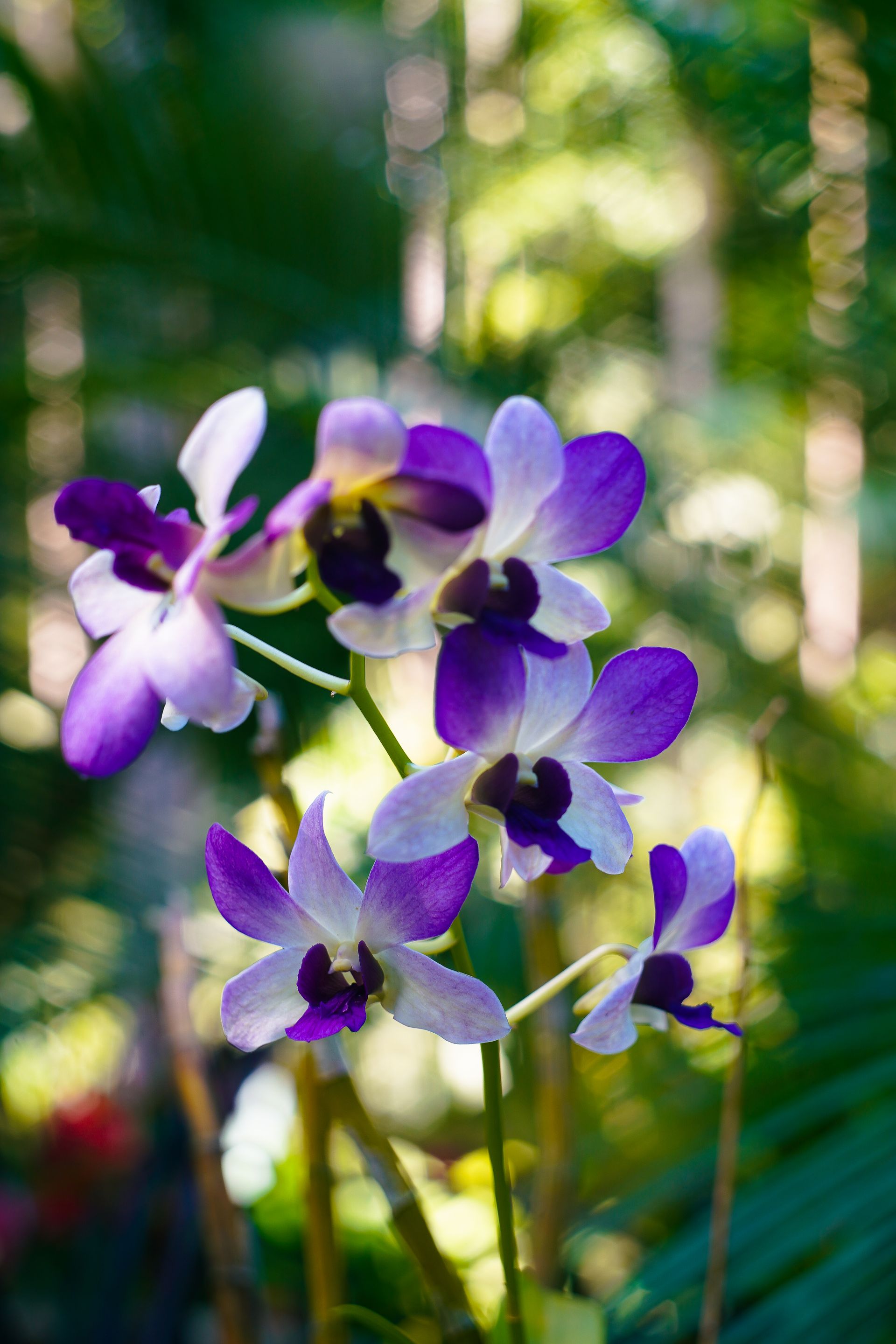
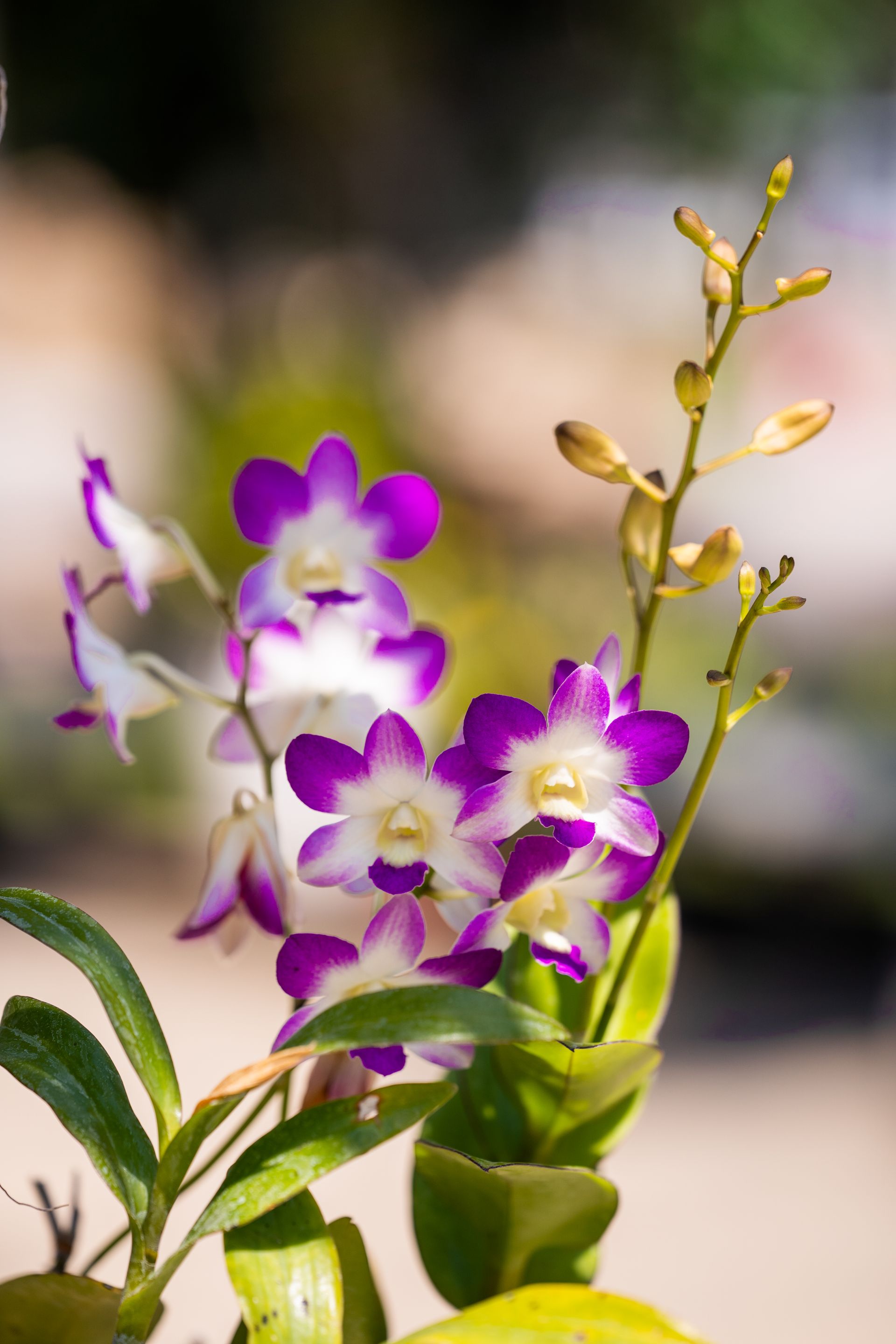
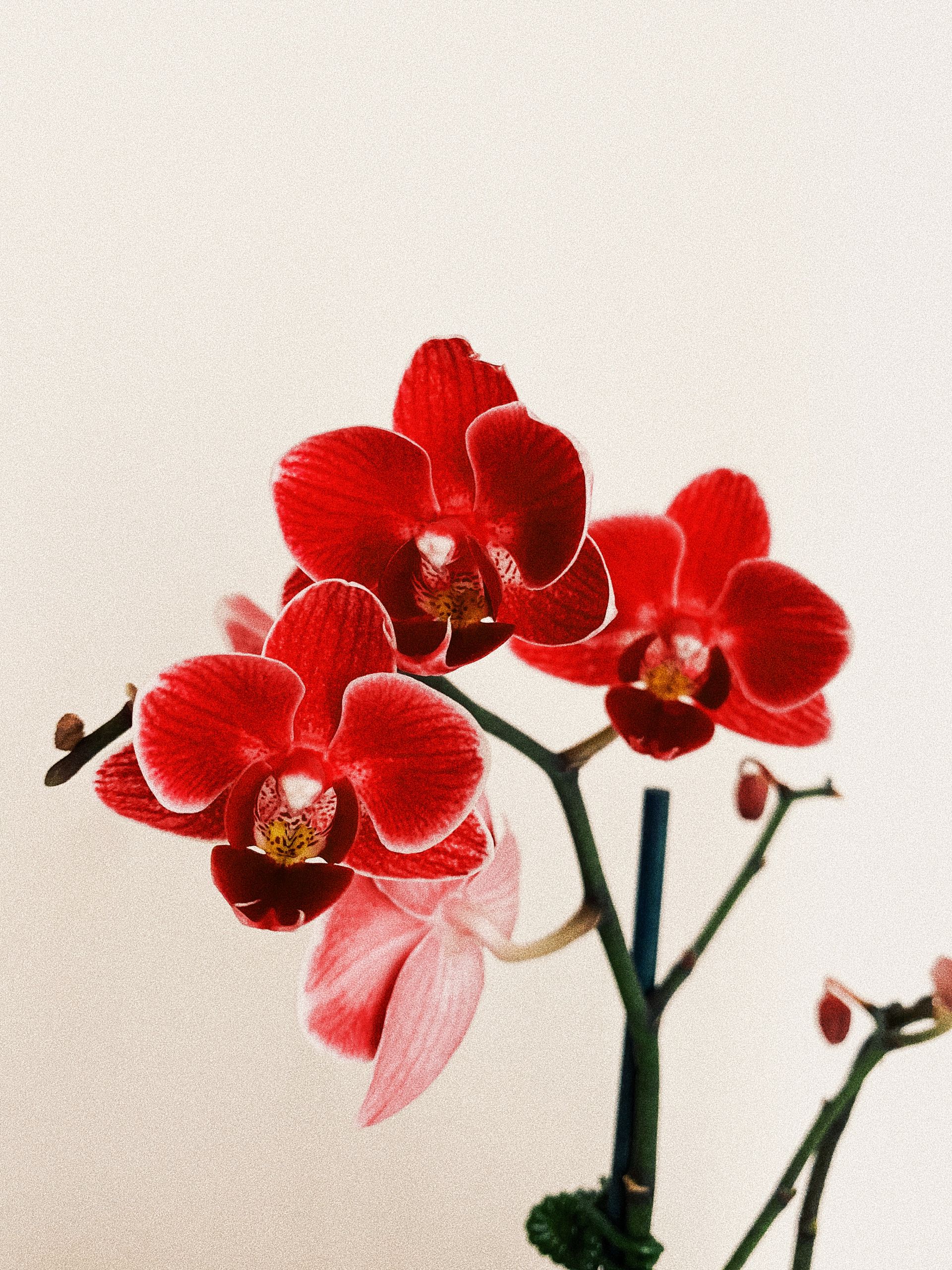
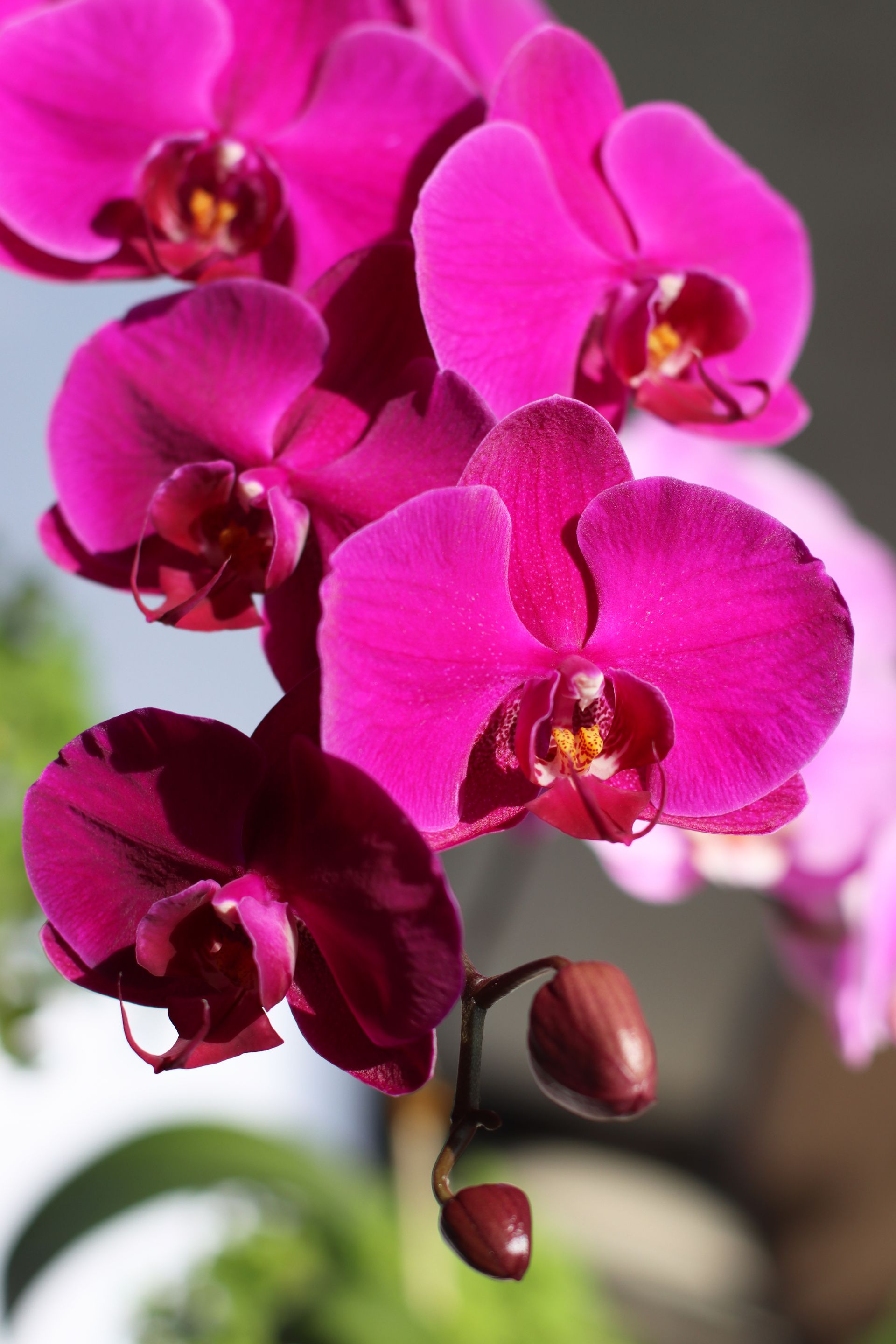
An orchid may appear in cream, pink, violet, gold, orange, crimson, green, bronze, or burgundy. Each possesses its own character, yet each belongs to the same extraordinary botanical family.
The art of East and Southeast Asia has something of this quality.
The restrained geometry of a Japanese garden and the saturated surface of a Chinese mineral-pigment painting may seem worlds apart. A Korean celadon, a Chinese jade carving, a Filipino textile, a Cambodian temple relief, a Japanese woodblock print, and a contemporary Indonesian installation may speak in entirely different visual languages. Yet each emerges from a culture with its own accumulated memory, and each represents a particular answer to enduring questions of beauty, nature, spirituality, identity, mortality, and the relationship between the individual and the world.
The stem is history. The blossoms are the artists. And the string is the continuity between them.
This is why we do not see this art as a sequence of isolated periods, nor as a set of national styles arranged neatly beside one another. We see it as a living inheritance, continually branching, flowering, and transforming.
The past is not merely behind us. It is beneath the surface of the present.
A contemporary artist working with porcelain may be in conversation, knowingly or not, with centuries of ceramic practice. A painter considering landscape may inherit ideas of nature that long predate modernity. An artist working with textiles may carry forward a vocabulary embedded in family, region, and ritual. Another may deliberately reject that inheritance, which is itself a meaningful engagement with history.
Tradition can be preserved. It can be questioned. It can be broken. It can be reinvented. But it rarely disappears without leaving a trace.
That is the spirit in which we approach the field.
We want to encounter the entire string: the celebrated and the overlooked; the ancient and the newly made; the master and the emerging artist; the object preserved for centuries and the work being made today in a studio the international art world has not yet learned to see.
And like the orchid, we believe authenticity matters.
Nature gives extraordinary colors, and it also gives boundaries: cream, pink, violet, gold, orange, crimson, green, bronze, burgundy. We do not need an artificial blue or a theatrical black to make the flower extraordinary.
The same is true of art. We are not interested in inventing an artificial idea of Asia for the convenience of the market. We are interested in the colors that are already there, in the diversity history has given us, and in the artists who are extending that palette into the future.
Our task is to look carefully, to learn the histories, to recognize the lineages, to understand the differences, and then to discover the new blossoms appearing along the stem.
The most remarkable thing about an orchid is not that it flowers once. It is that the living stem carries the possibility of another bloom. And another. And another.
That is how we understand East and Southeast Asian art. Not as something finished. But as something still flowering.
A disciplined search for exceptional artists across East Asia, Southeast Asia, and their diasporas. Submissions are received through Contact.
Contact the CollectiveThe way through
The search that began in two families’ greenhouses now runs through thousands of years of Asian art. Walk it in order.
Orchids remain on every path. Keep walking through the Collective, or write to us.