We hunt beauty across East and Southeast Asian art with the patience of those who still chase form, lineage, and the uncommon mark among orchids.
WhitePinkVioletGoldOrangeCrimsonGreenBurgundy
Hunting beauty among the many
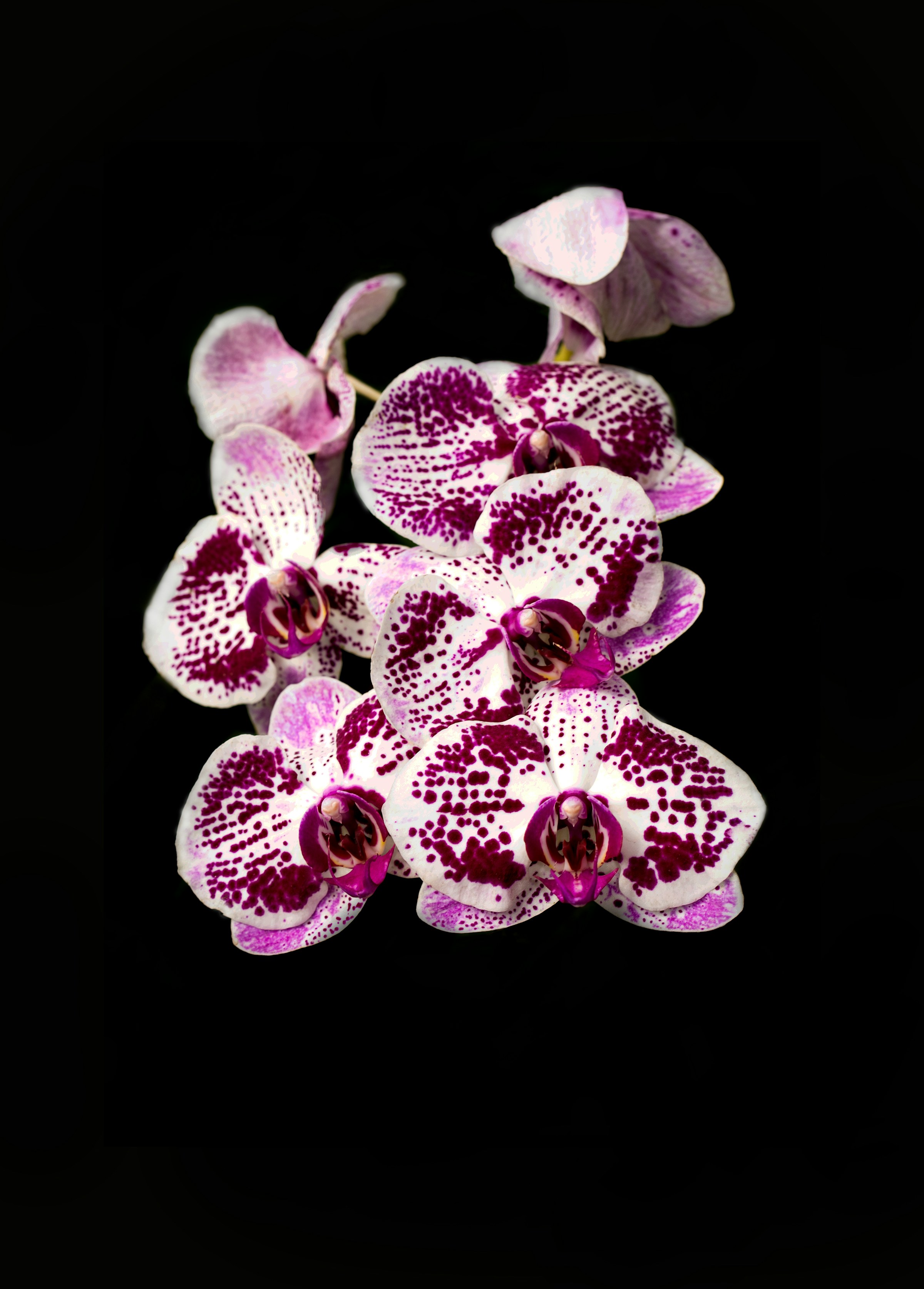
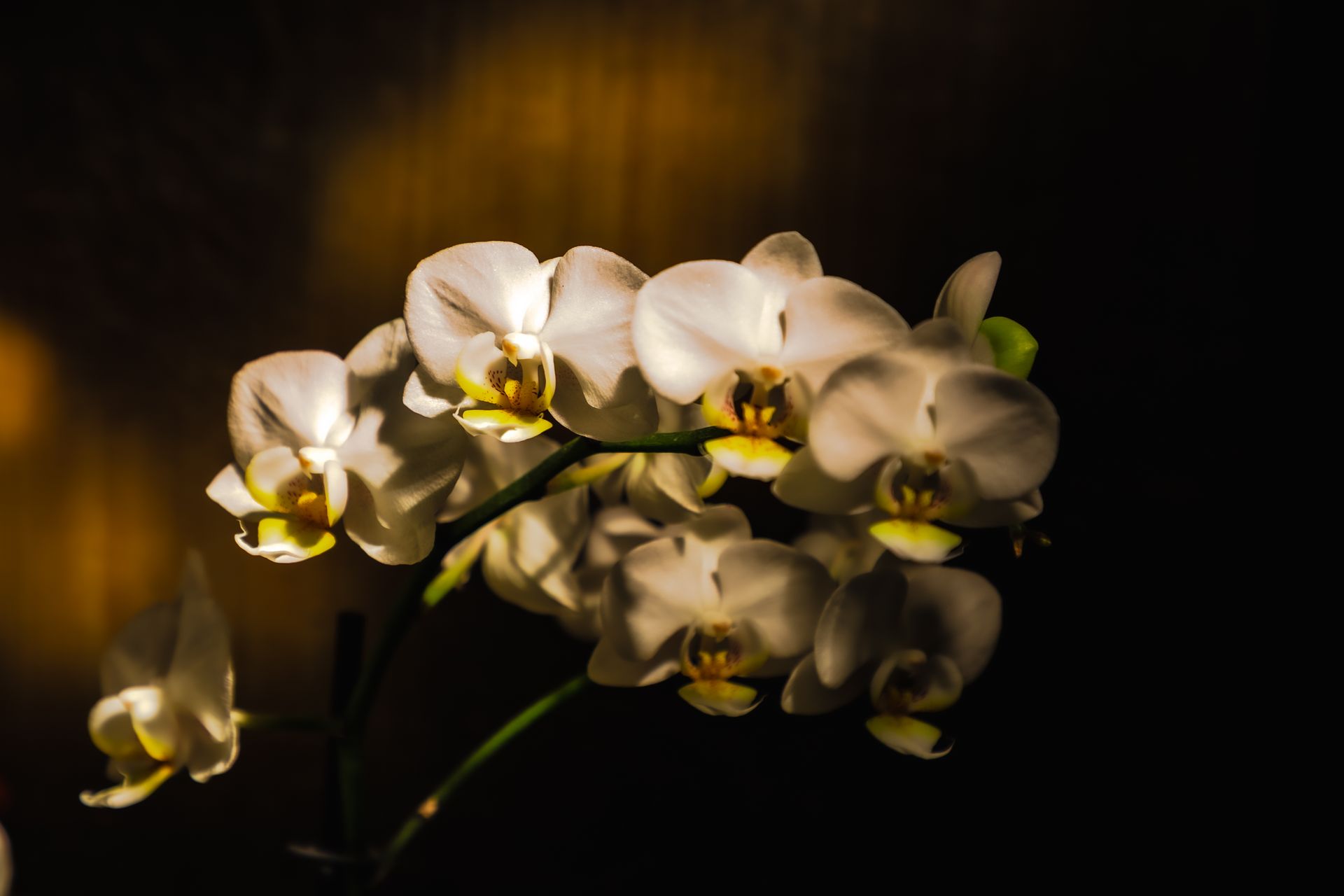
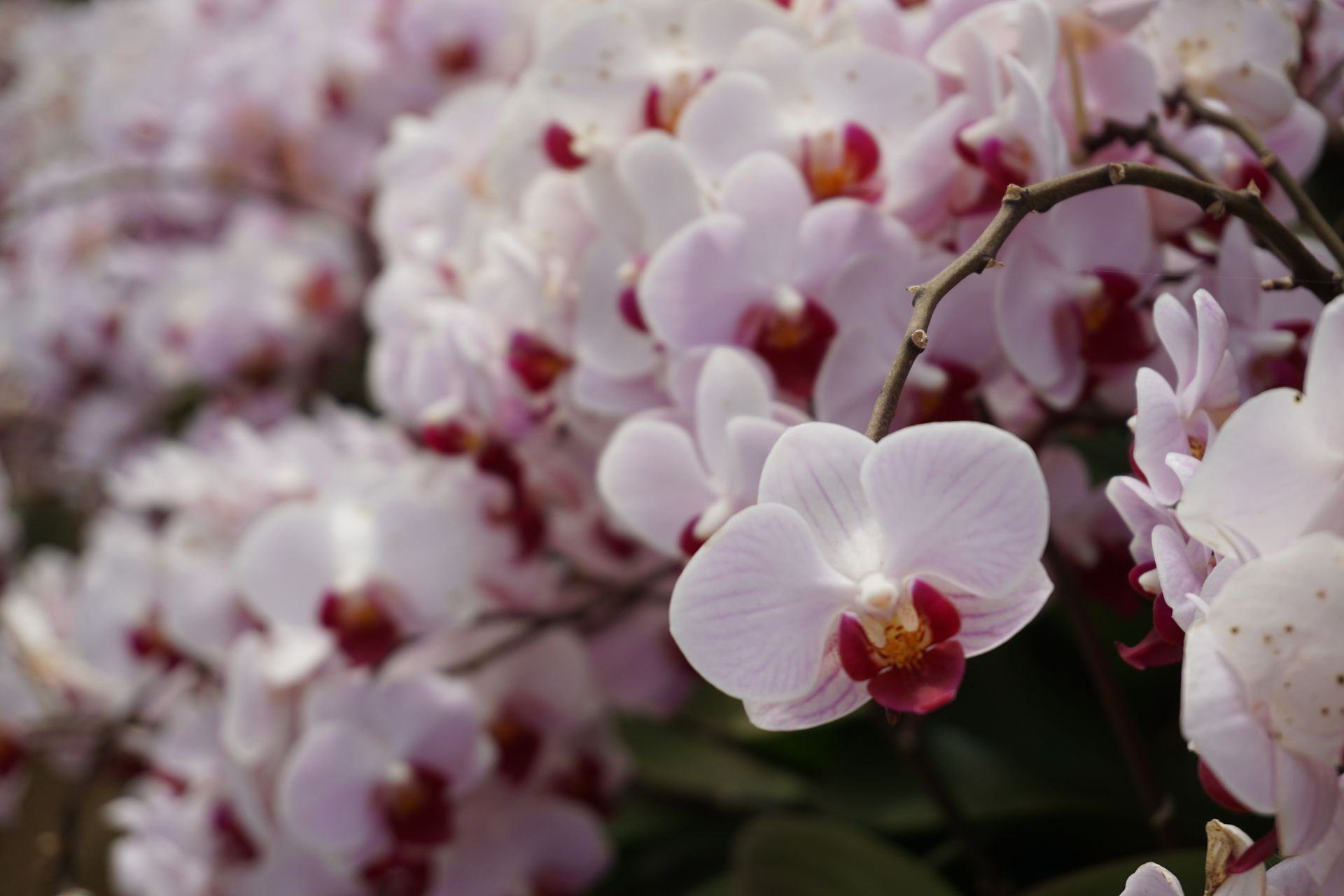
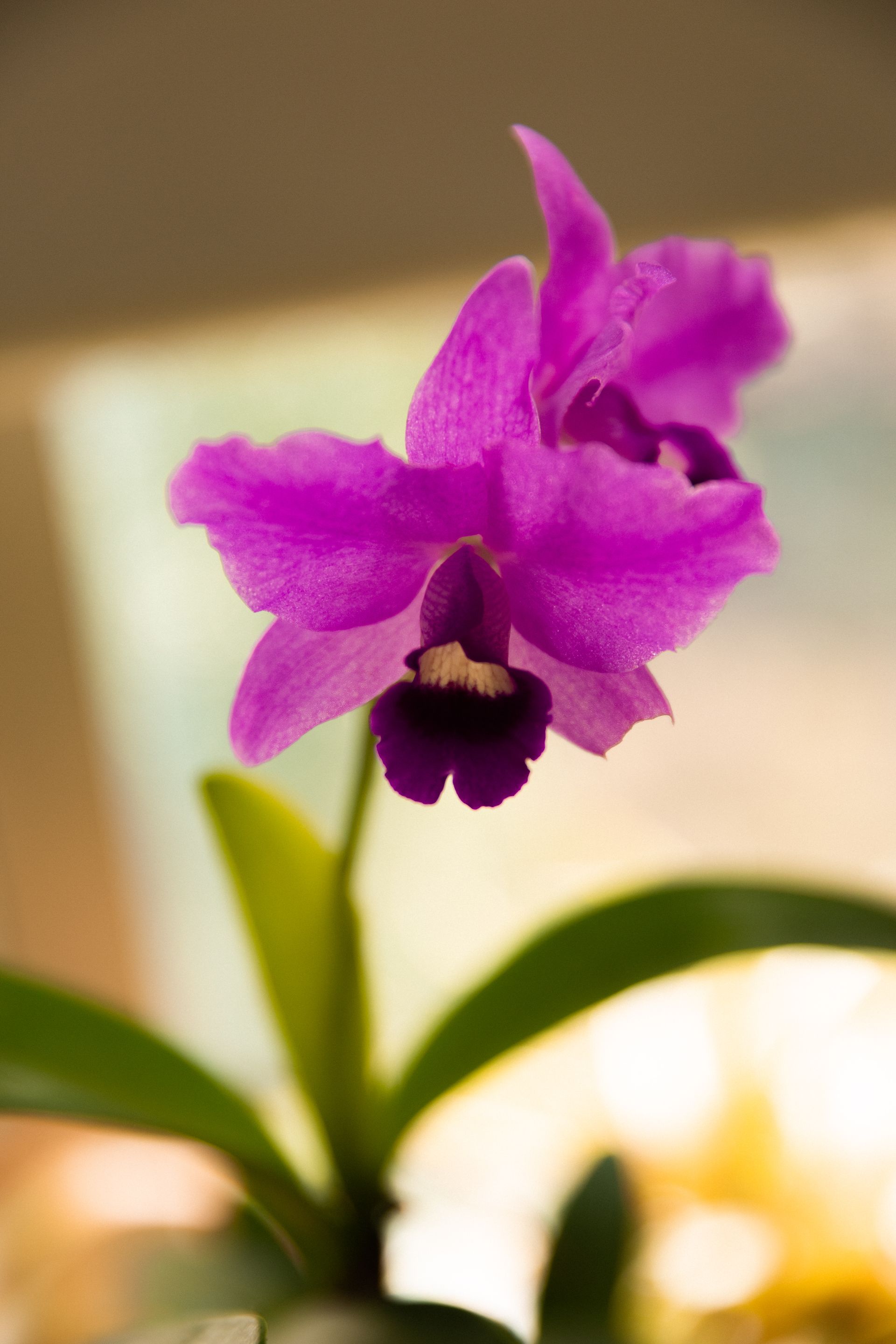
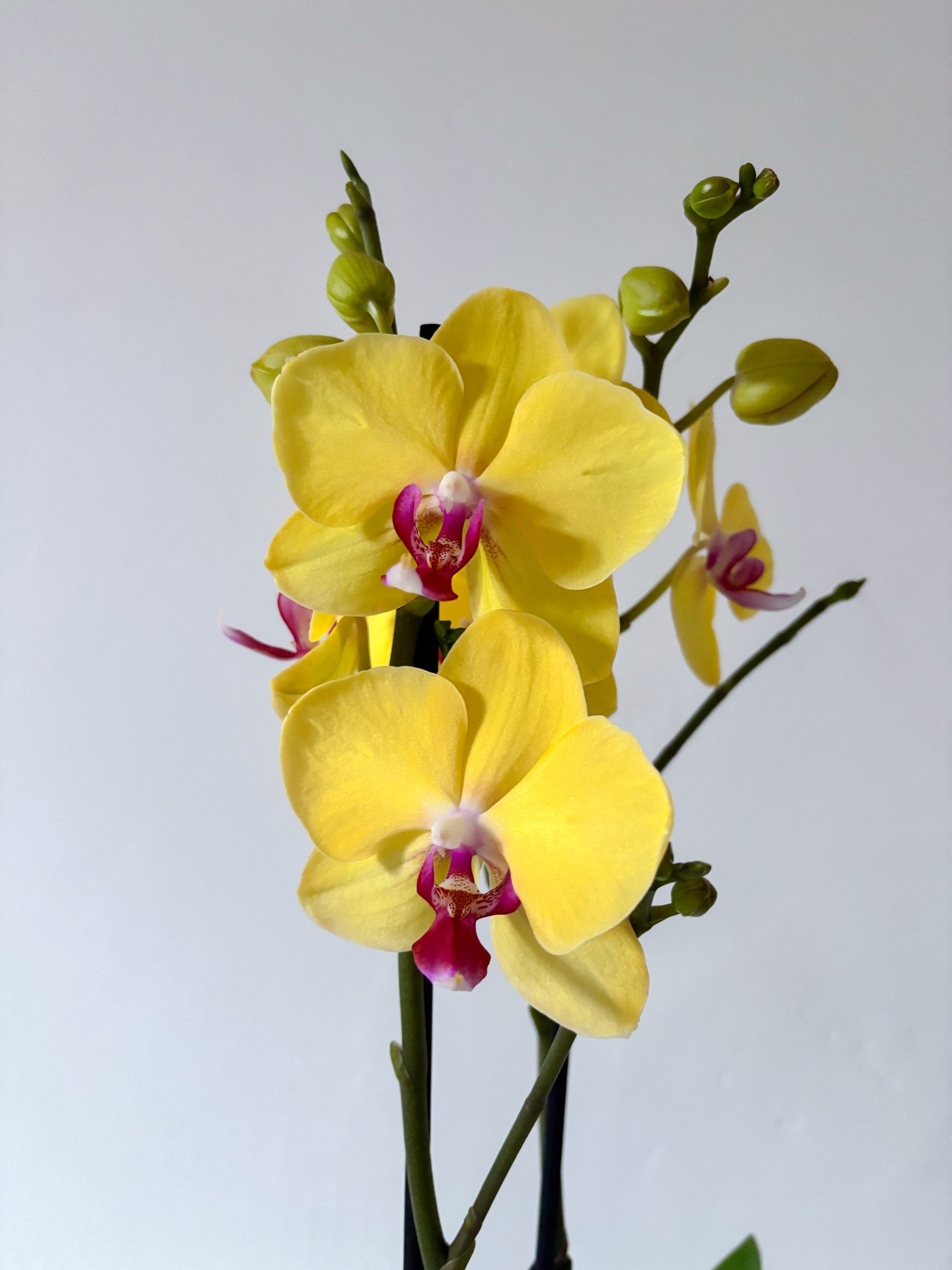
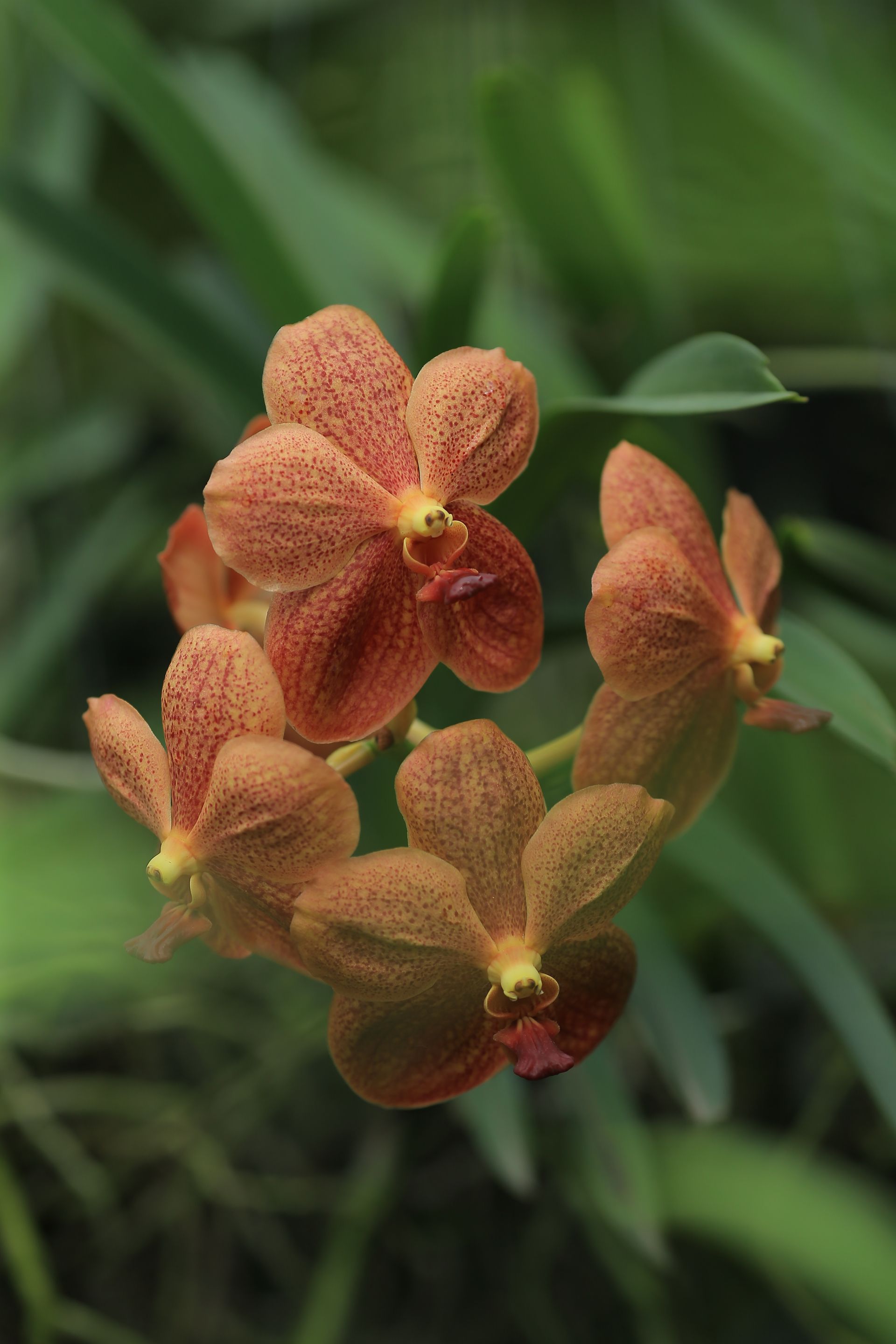
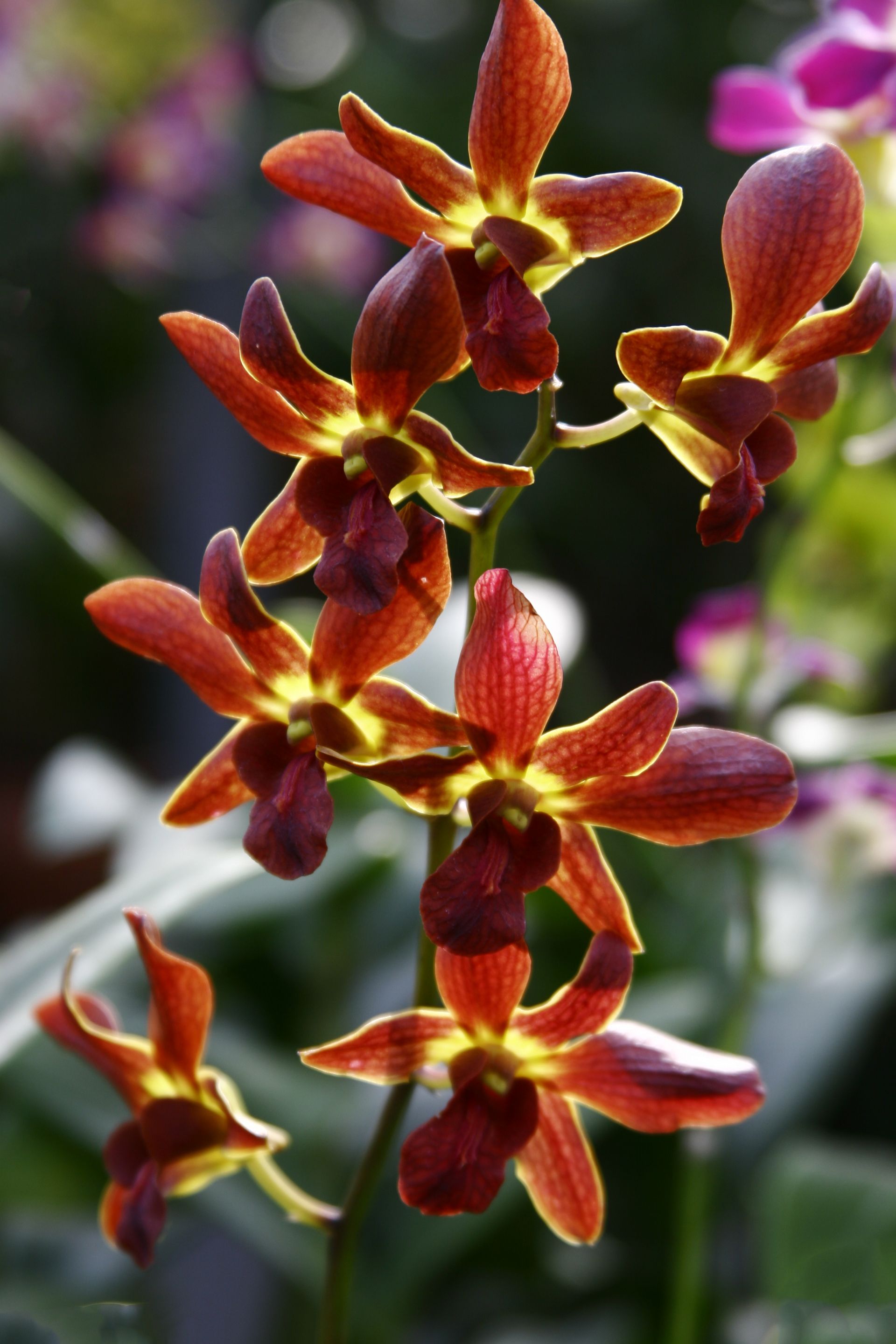
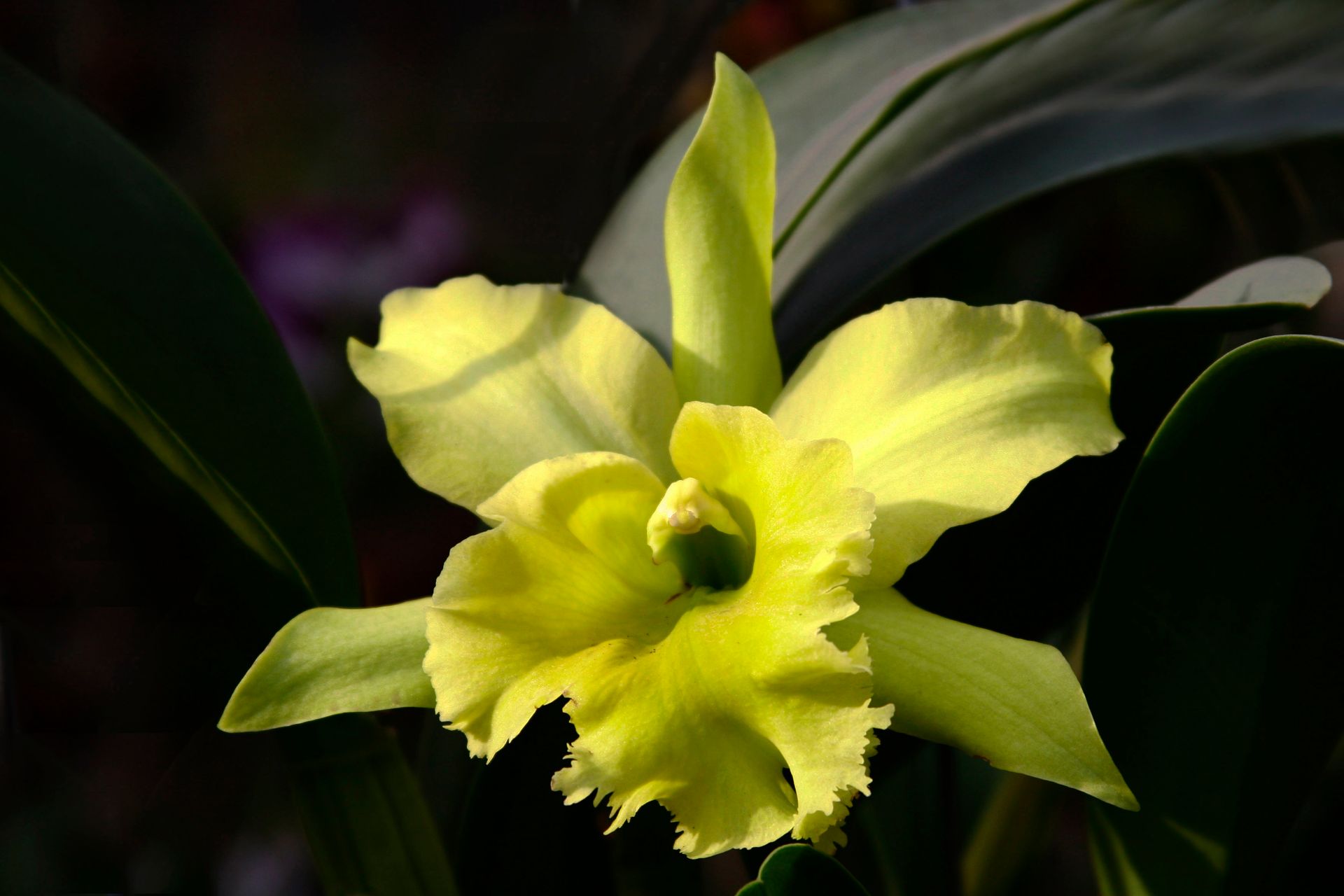
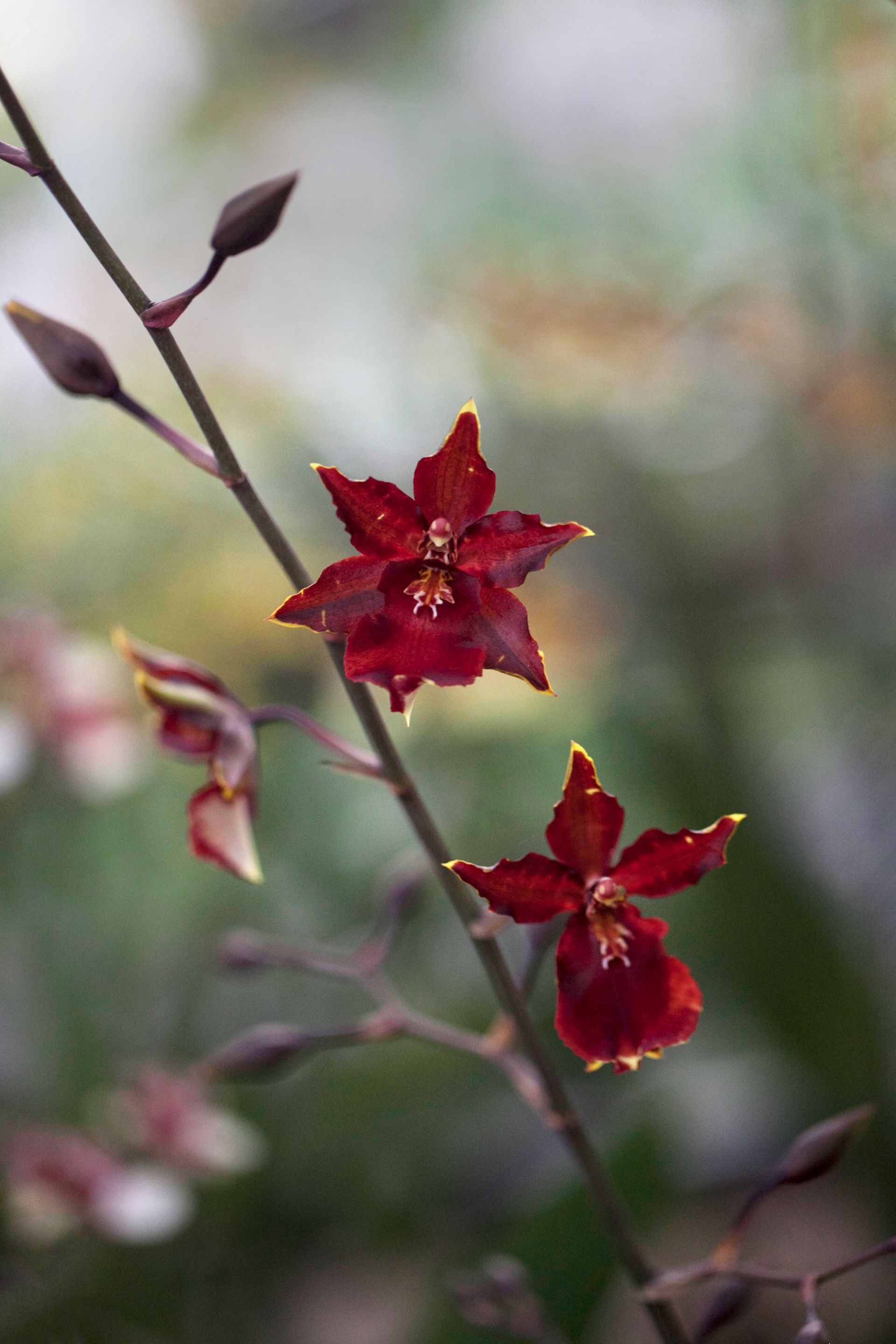
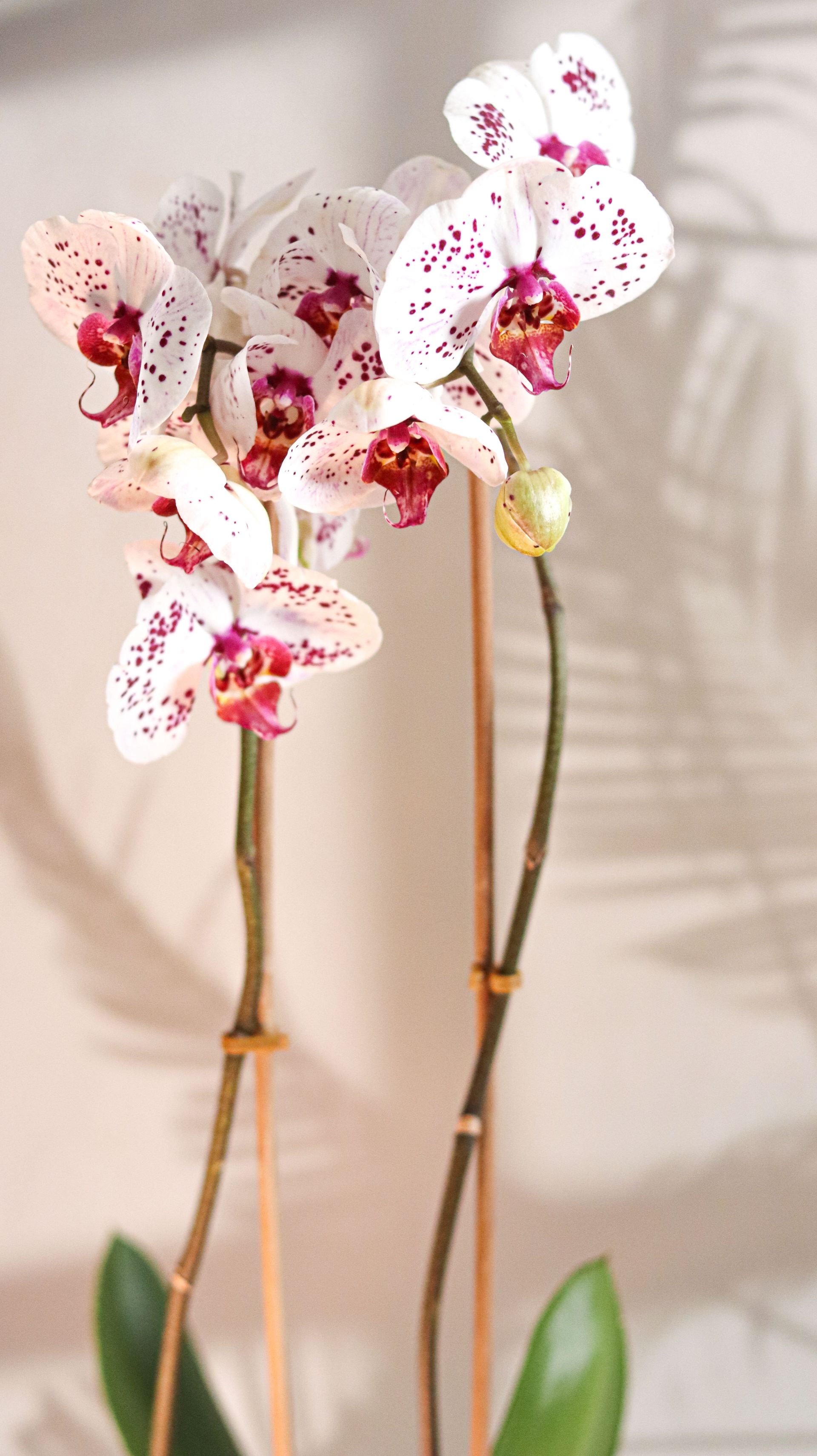
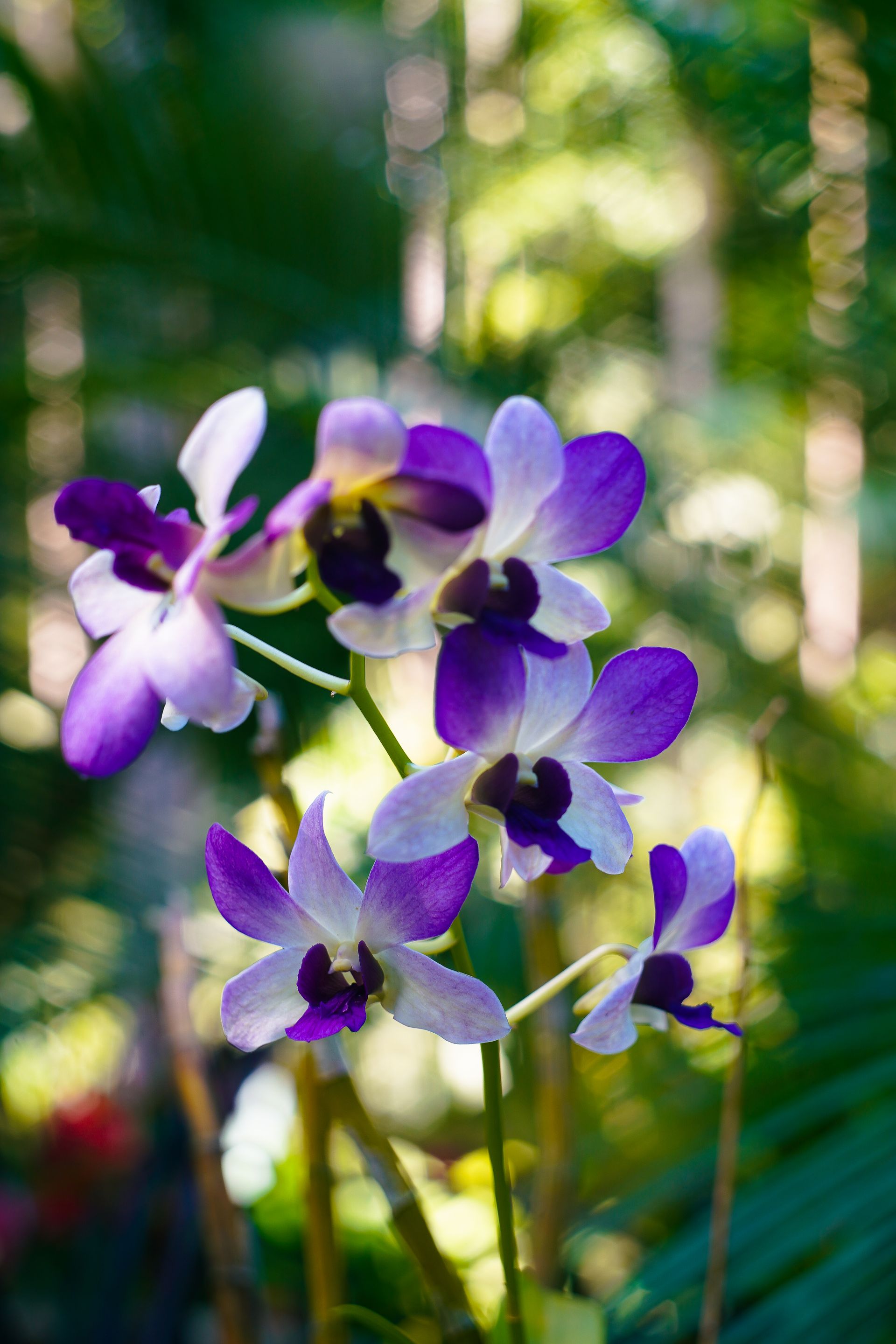
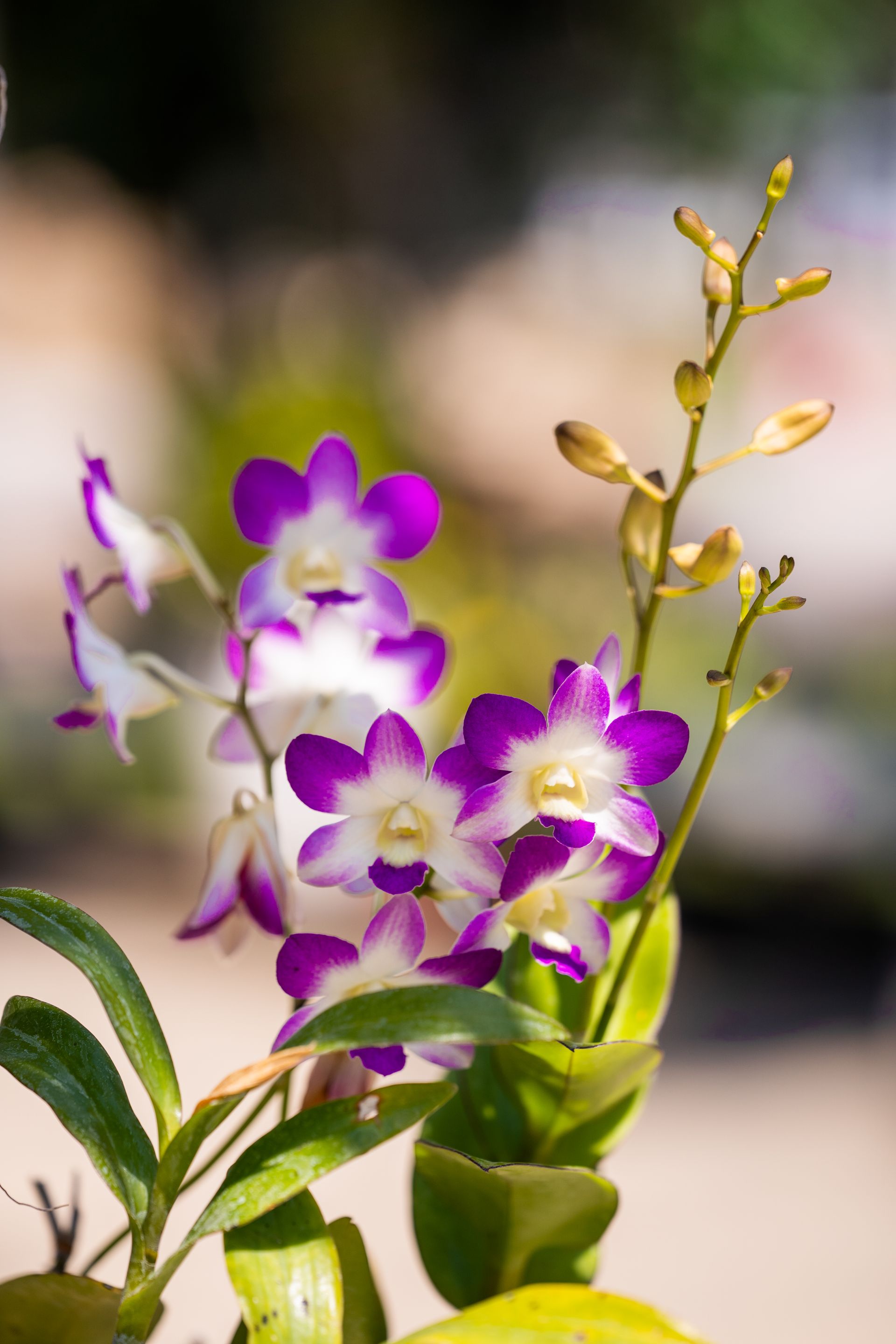
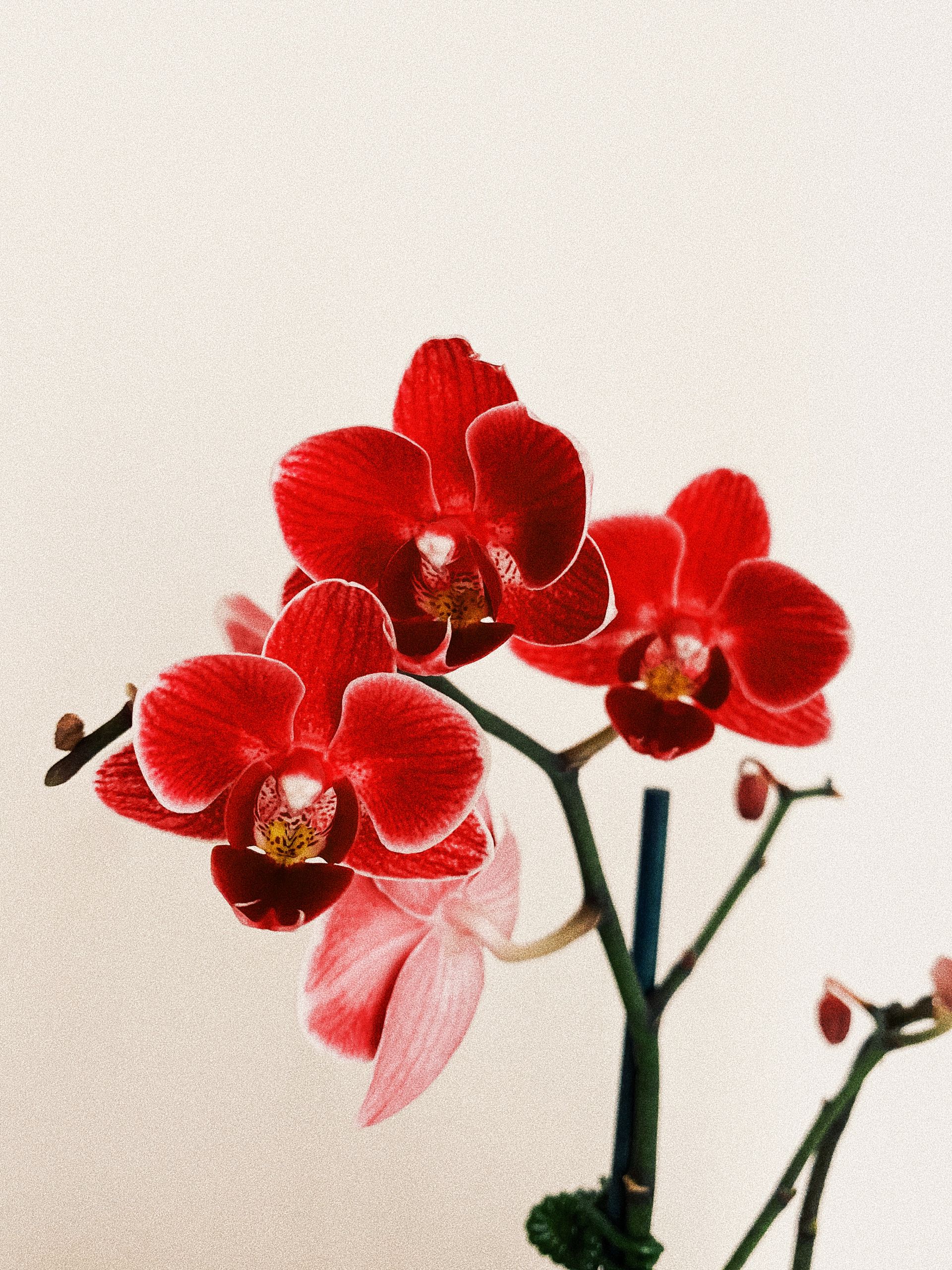
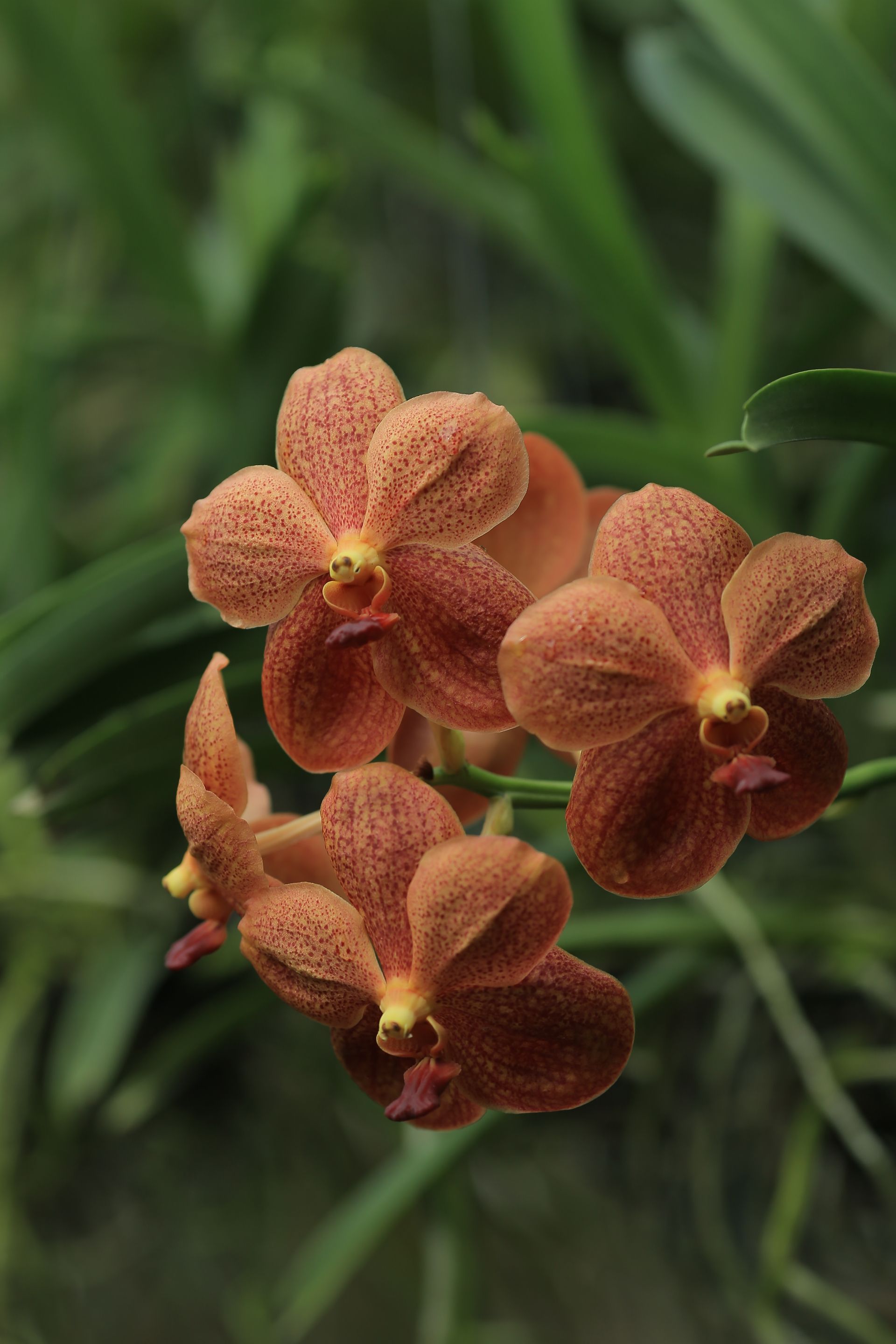
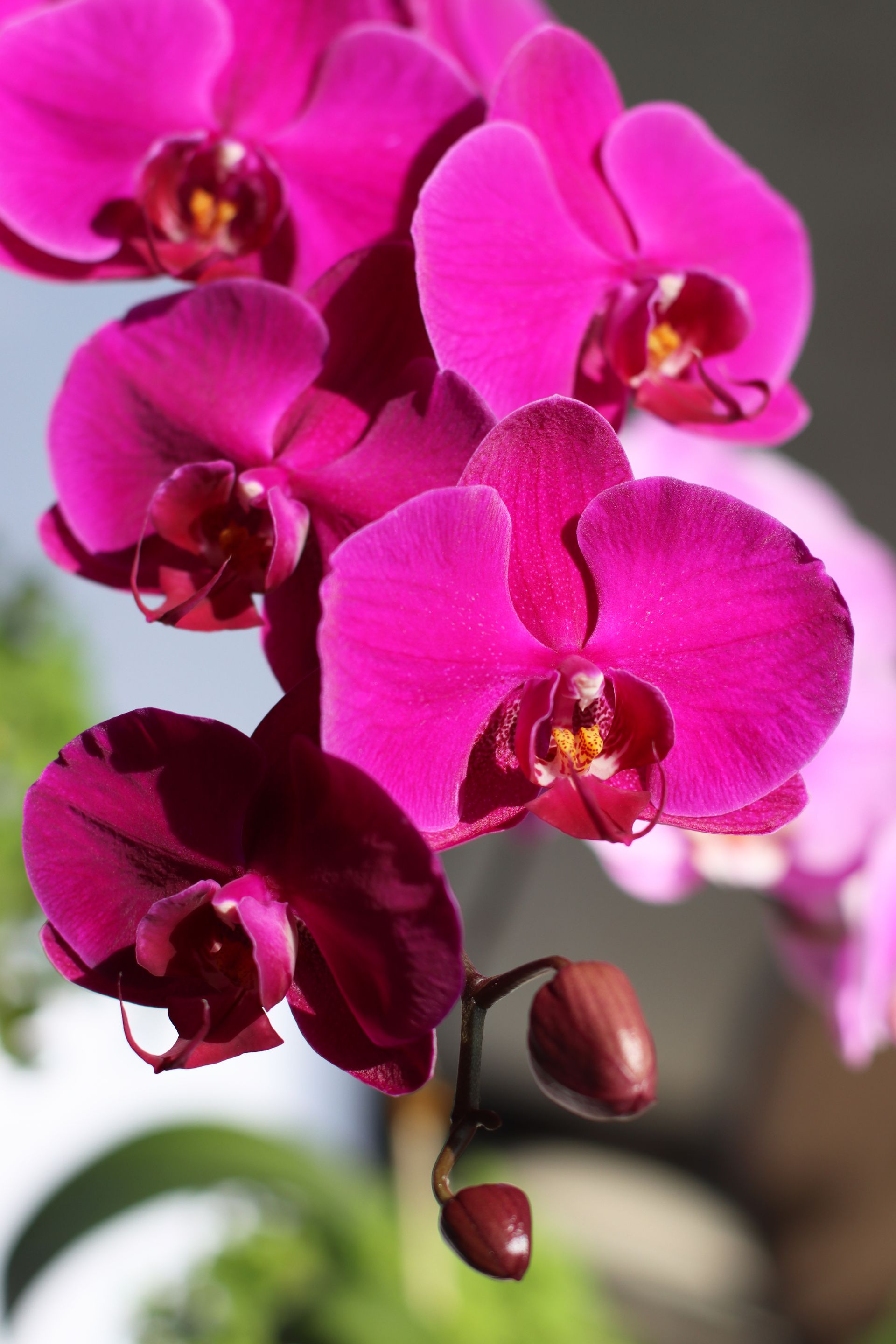
To stand before certain orchids is to feel that someone has designed them. The bloom is bilateral, a face rather than a radial spray. A lip asserts itself, often in a hue or pattern that seems to contradict the rest of the plant. Color arrives in shades that look improbable on living tissue: violet against cream, gold edged with crimson, green that reads as almost metallic. What holds the serious collector is not novelty alone but the conjunction of form, color, rarity, lineage, and beauty. These are uncommon marks. They reward looking. They do not fade when fashion turns.
The plant teaches delay. Many orchids take years to flower from seed or division. A bloom may last weeks or months, then withdraw into slow scarcity, as if the plant itself rationed revelation. That tempo disciplines desire. One learns to wait, to return, to notice what others pass over. Hybridization keeps the field open and the catalog unfinished. New crosses appear; named cultivars multiply; reputations rise and settle. The wild register of accepted species already numbers roughly twenty-eight thousand, and the cultivated list runs far beyond any single lifetime. The hunt does not close. It relocates.
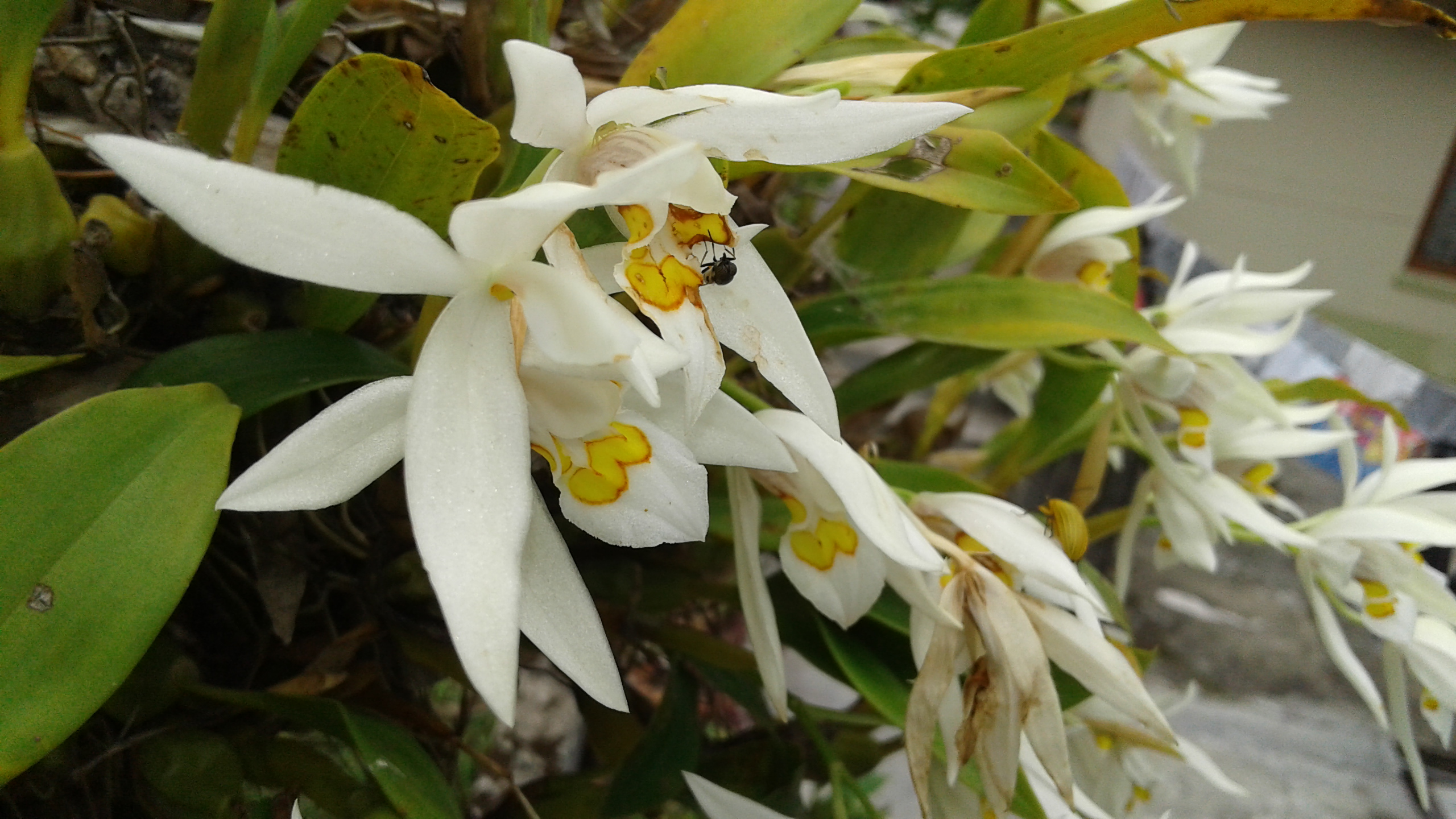
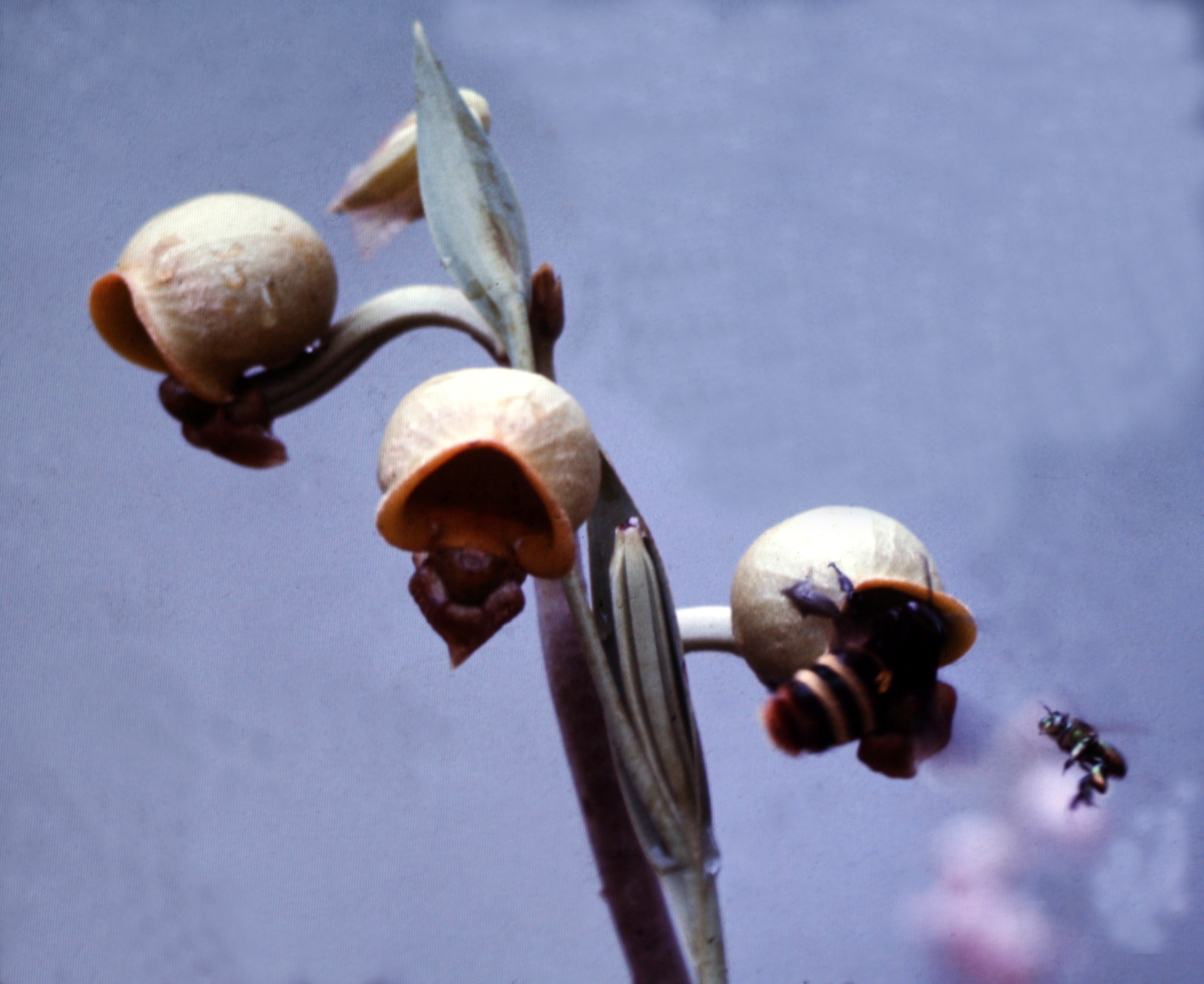
Honey bee on CoelogyneOrchid bees on Catasetum
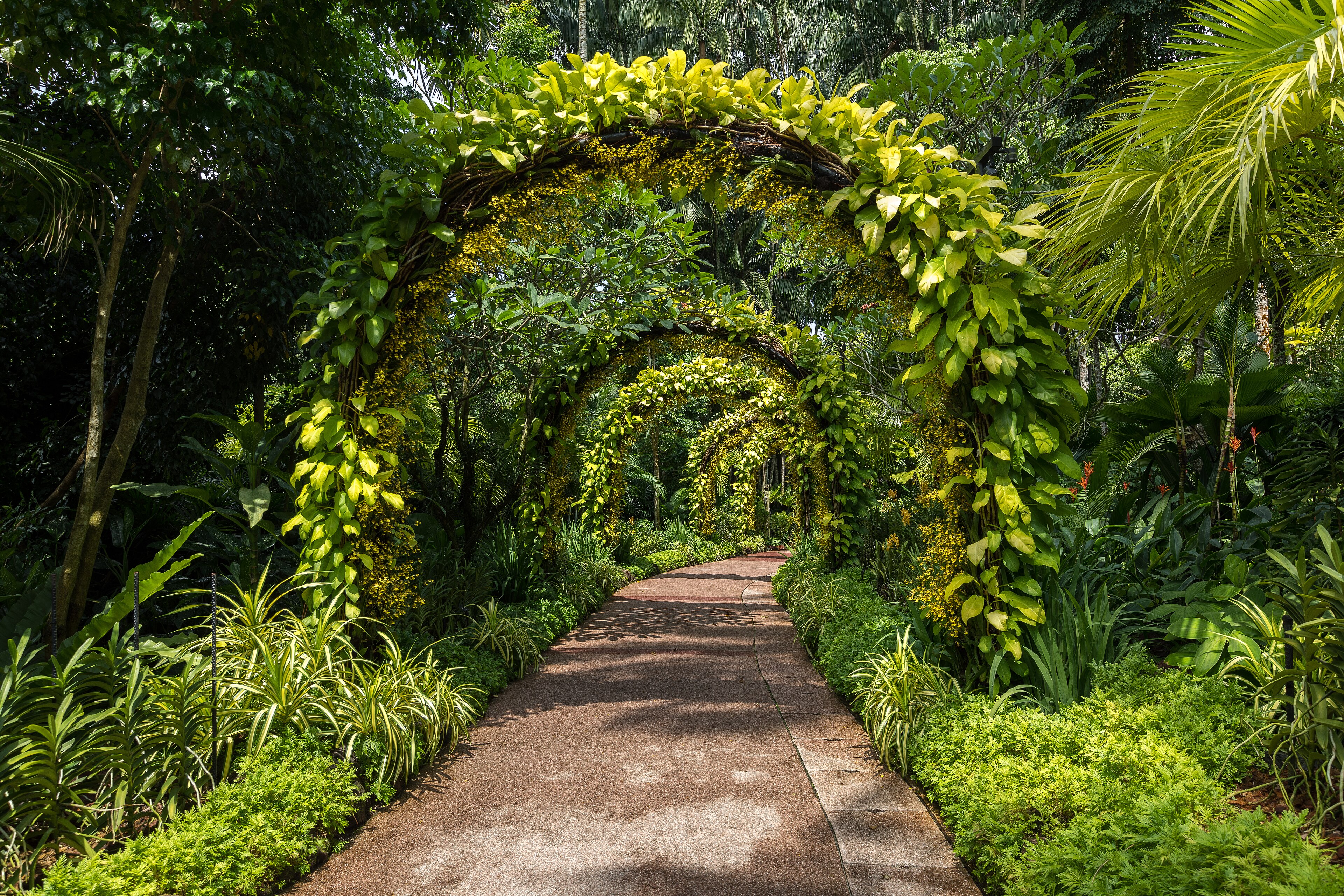
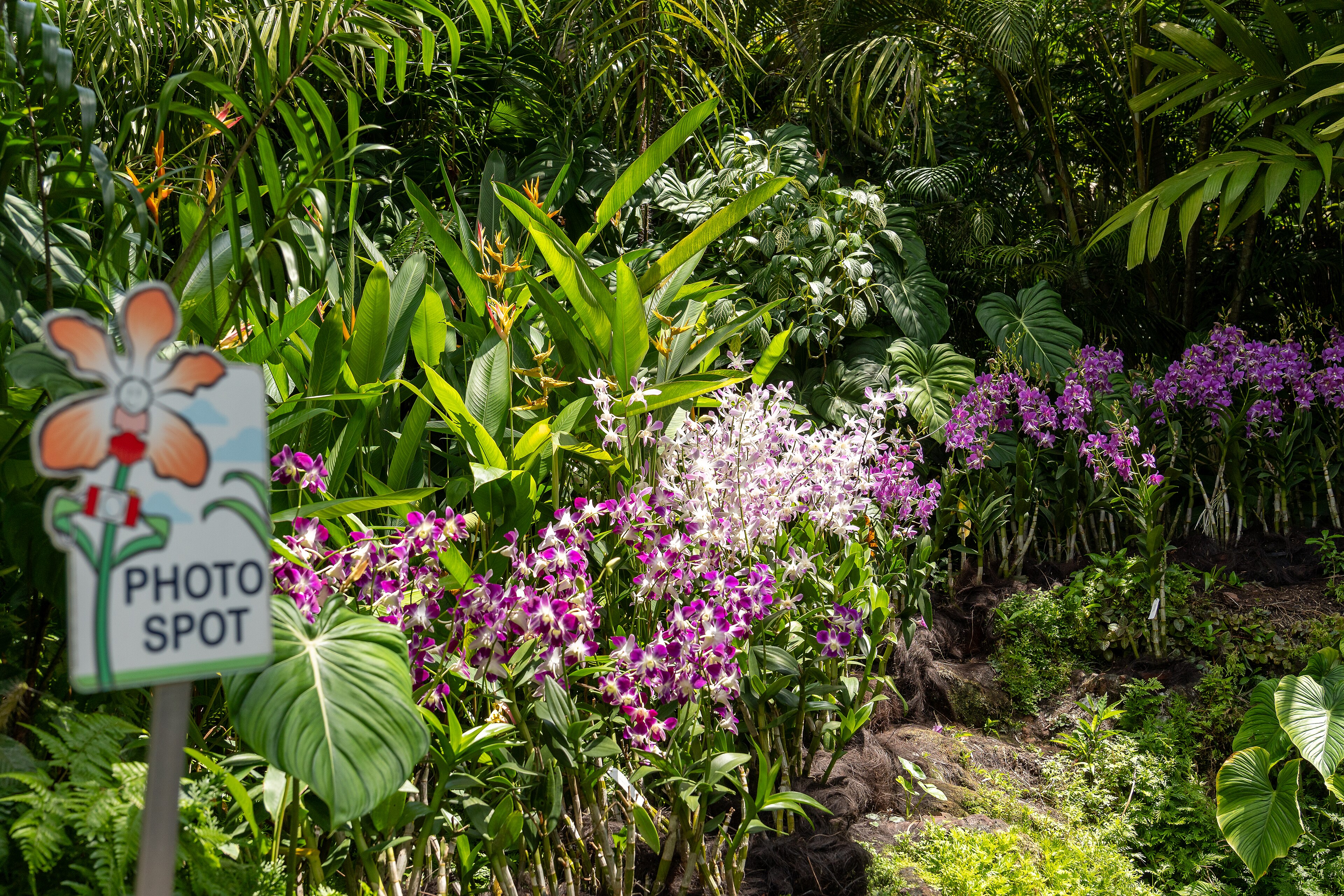
World-class collections make the scale of that hunt visible. At the National Orchid Garden within the Singapore Botanic Gardens, one of the most ornate tropical orchid displays on earth, official figures name over 1,500 orchid species and 3,000 hybrids. Smithsonian writing has described the display as the world's largest orchid garden display, with some 60,000 plants shown. Those roughly 1,500 species are a curated gathering drawn from the world's approximately 28,000 accepted wild orchid species: enough to teach how much remains ungathered, and how carefully one must look.
National Orchid Garden, SingaporeOrchid display, Singapore Botanic Gardens
Orchid Way Collective searches East and Southeast Asian art in that same spirit. We look for talent, passion, craft, color, and beauty among the many, seeking the extraordinary mark that endures beyond season and market noise. The analogy is exact in method, not merely decorative. It is meticulous looking for form and lineage. It is judgment that distinguishes the memorable from the merely present. It is willingness to wait for what takes years to declare itself.
The orchid catalog and the artist field are unfinished for the same reason: uncommon beauty is rare, and looking is a vocation.
The fields rhyme. Among orchids one learns to sort common color from the uncommon mark: form, lineage, rarity, and beauty held together. Among East and Southeast Asian artists the same discipline applies. One walks past the merely present, waits for work that declares itself across seasons, and keeps a catalog that never quite closes. Finding an extraordinary Asian artist is not a metaphor draped over orchids. It is the same hunt under another name: patience, scholarship, and an eye trained on uncommon beauty.
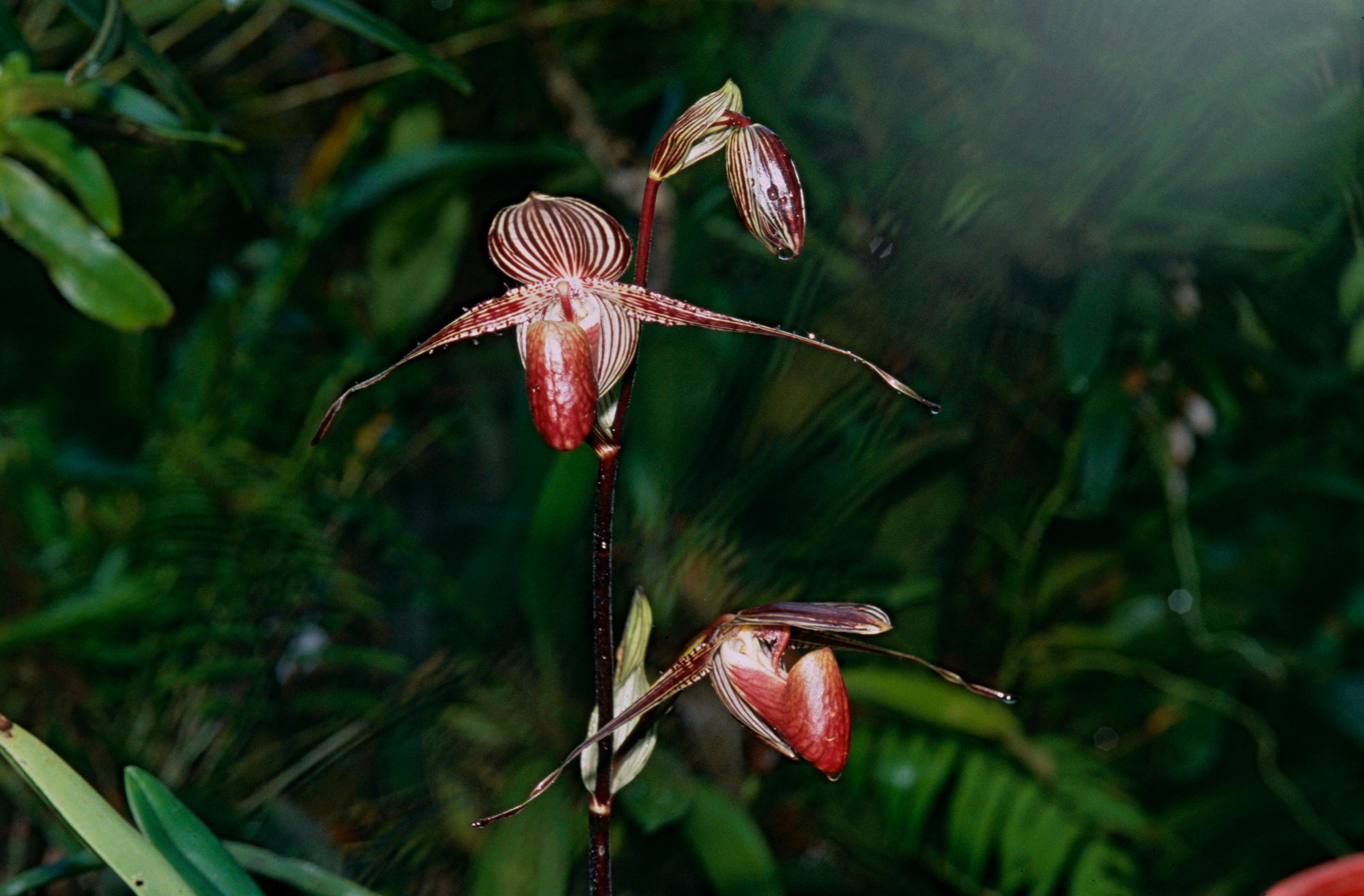
Rothschild's slipper orchid (Paphiopedilum rothschildianum), among the rarest sought species. Mount Kinabalu, Sabah.
Hunting talent among the many
What we do follows that looking. East and Southeast Asia already hold a wide field of gifted makers. Talent is plentiful; the uncommon mark is not. We hunt the most consequential artists among that abundance: voices whose craft, passion, form, and beauty declare themselves against a strong field, not against a weak one. The work is discrimination among the capable. It is the same vocation named above for orchids, carried into living art.
Founded by Susan and Gary LaDrido, the Collective gives that search an institutional shape. We select with rigor, holding the most consequential historical works beside the most capable contemporary voices. We keep techniques, symbols, and lineages in living memory. And we give living makers the room, the audience, and the relationships to carry that inheritance forward.
What we hold in 2026
Asian art continues its passage from specialist niche toward a broader global field. Singapore, Hong Kong, Seoul, Tokyo, and Manila function as linked hubs. The collective watches where museums and fairs establish attention before commercial valuation has settled.
Southeast Asia
Distinct regional identities, institutions still in formation, and room for careful discovery. Singapore and ART SG serve as one point of entry. Research names of interest include Citra Sasmita, Marigold Santos, and Melissa Tan; these are subjects of study, not consignments.
Japan and China
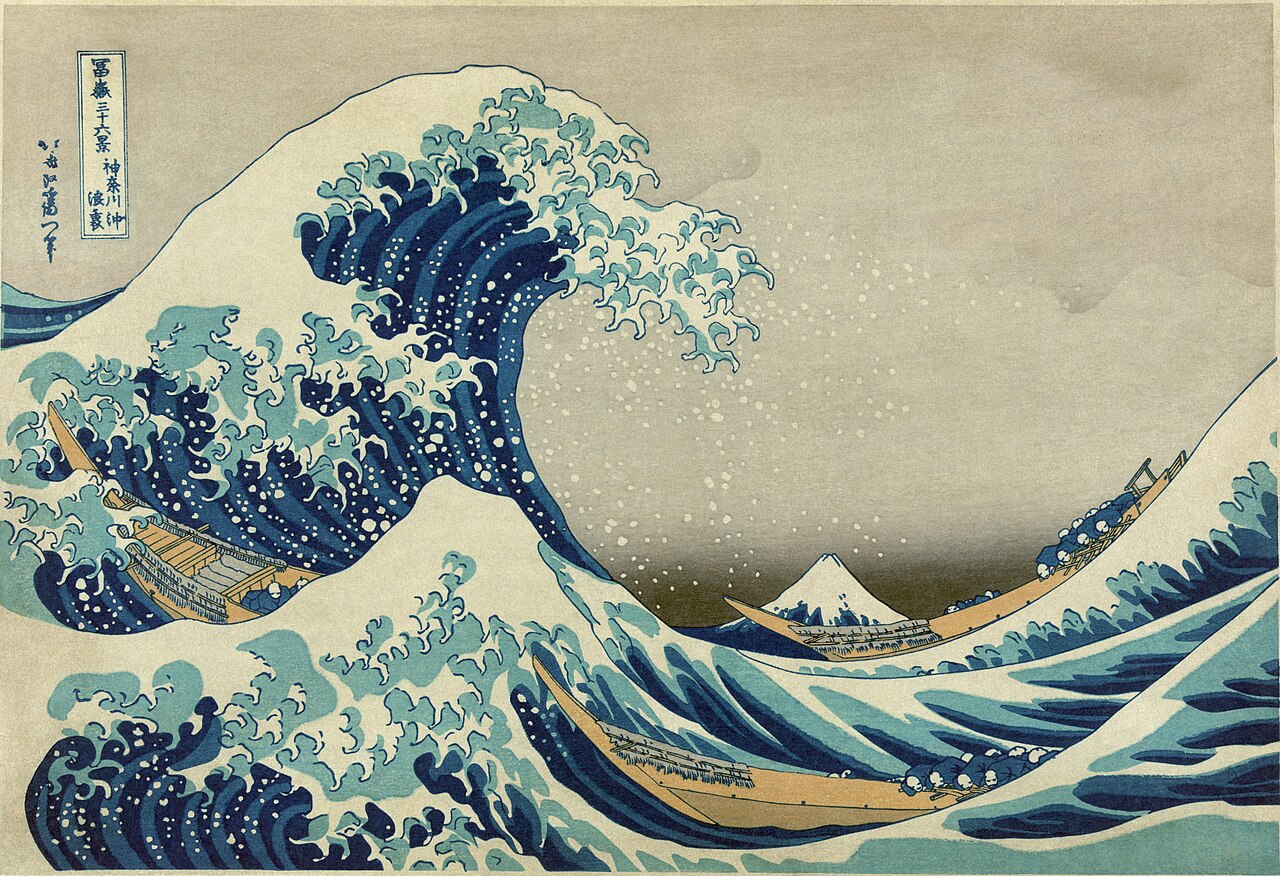
Deep canons, global afterlives of the print, and living workshops. Ink, porcelain, and contemporary practice still form the first curriculum for many visitors. Looking precedes scholarship; scholarship then steadies the eye.
Korea
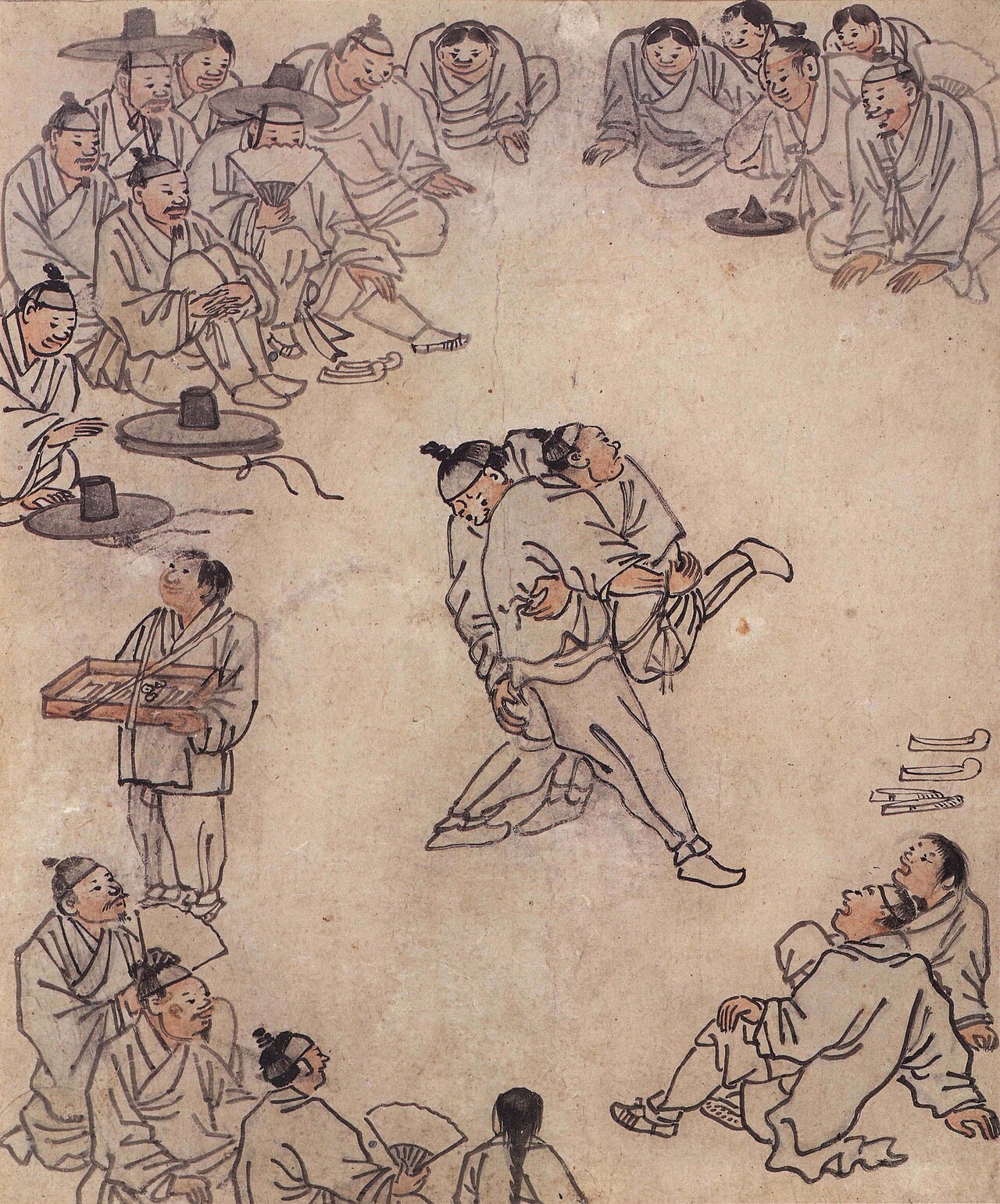
A mature field now attending to younger talent. Craft (ceramics, lacquer, glass) continues to enter contemporary rooms. The next generation merits as much attention as established names.
Antiquities, new collectors
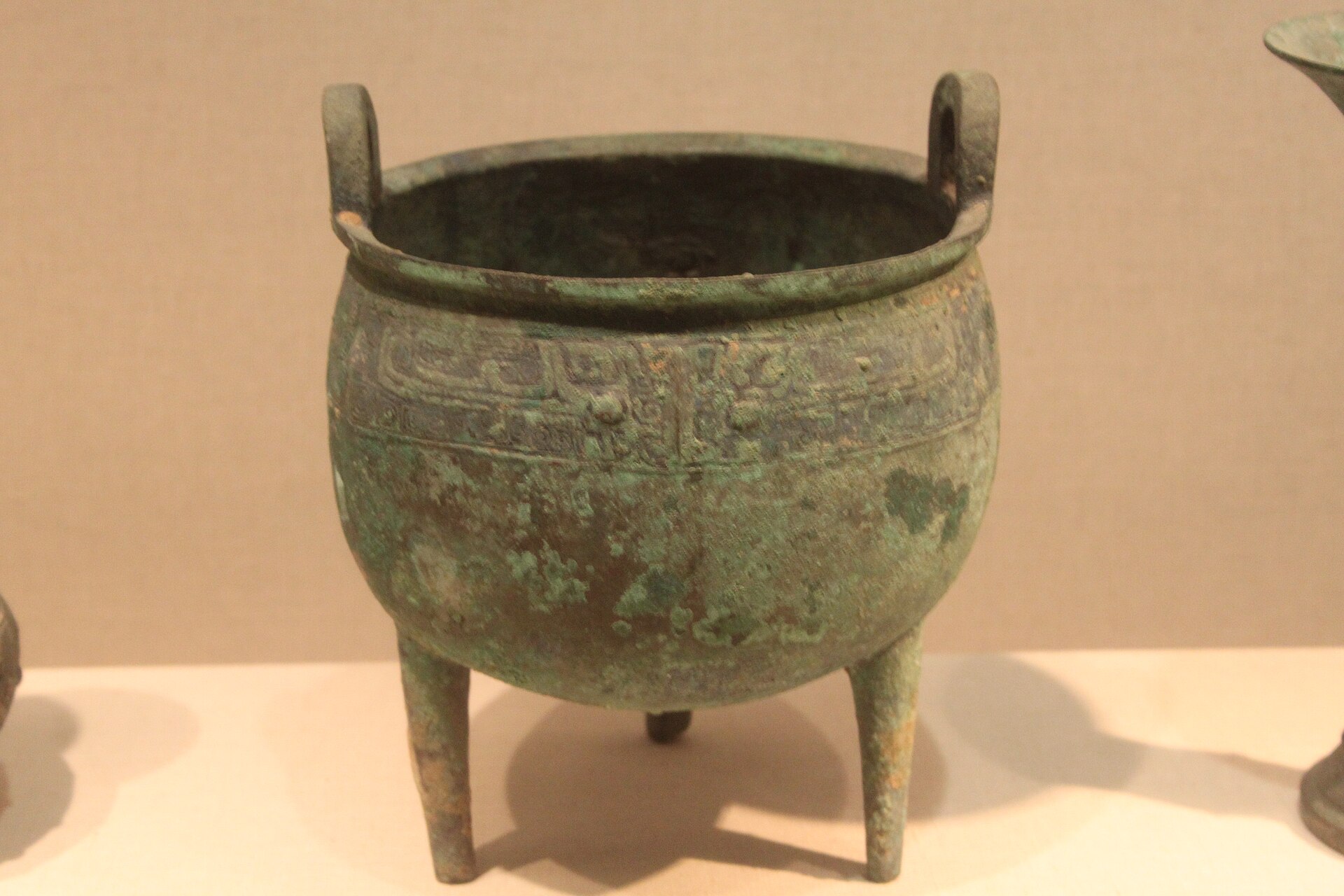
Younger collectors increasingly approach Asian objects for history, design, and cultural meaning, often at levels far below Western trophy prices. Looking is the entry; scholarship is the guardrail.
Care
Beauty without shortcuts
When markets accelerate, forgery risk rises with them. We do not treat art as a ticker. Provenance, gallery context, condition, and specialist judgment precede capital.
An older trophy model defaulted to Western modern masters. A more open field now includes Korea, Japan, China, Indonesia, the Philippines, Vietnam, Thailand, Cambodia, Myanmar, Singapore, Taiwan, and the diaspora: greater room for disciplined discovery.
Return to the work
Orchids remain on every path. Keep walking through the Collective, or write to us.