Hong Kong
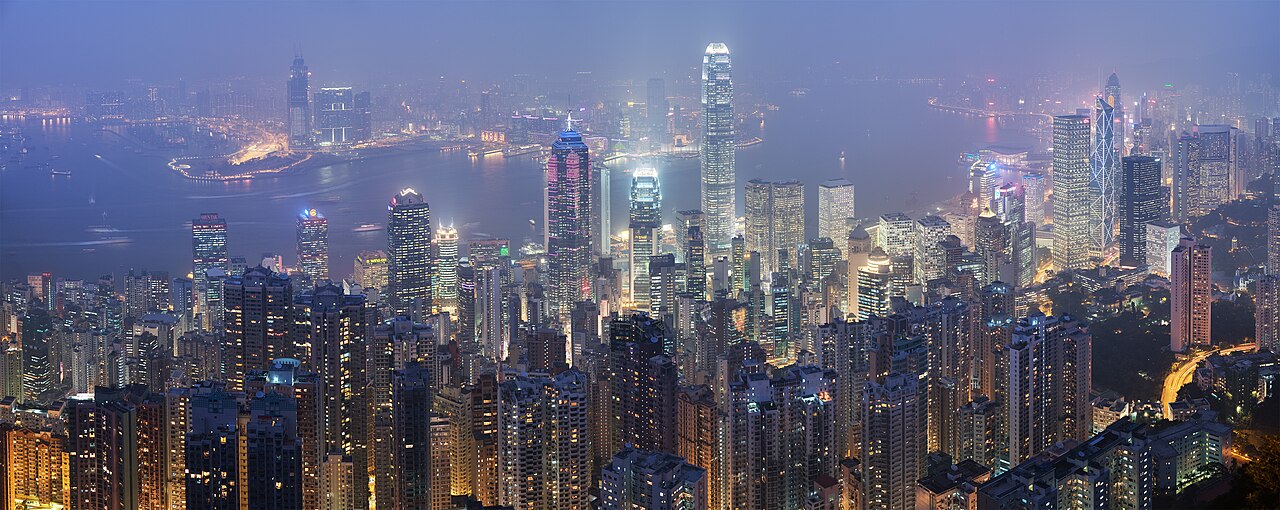
Art Basel Hong Kong and Art Central each March, with M+ as the museum anchor.
Where We Show
The cities, rooms, and private viewings where the Collective presents Asian art, and the collectors who carry it further.
Asian art continues its passage from specialist niche toward a broader global field. Hong Kong, Singapore, Seoul, Tokyo, Shanghai, and Manila function as linked hubs, with Jakarta, Taipei, and Bangkok rising alongside them. The collective watches where museums and fairs establish attention before commercial valuation has settled.
Art Basel Hong Kong and Art Central each March, with M+ as the museum anchor.
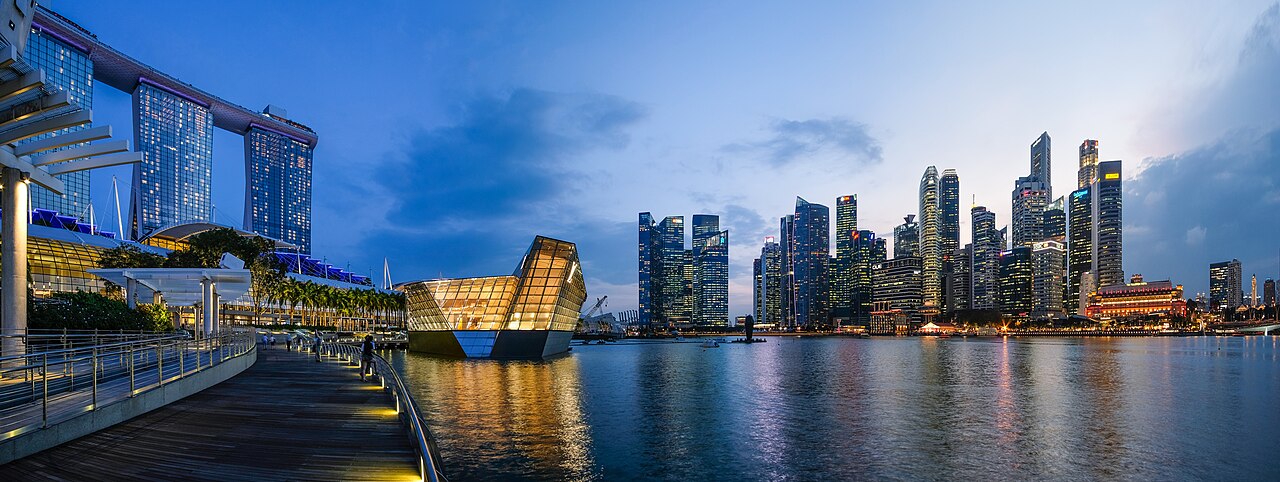
ART SG and SEA Focus during Singapore Art Week in January. National Gallery Singapore holds a leading public collection of modern Southeast Asian art.
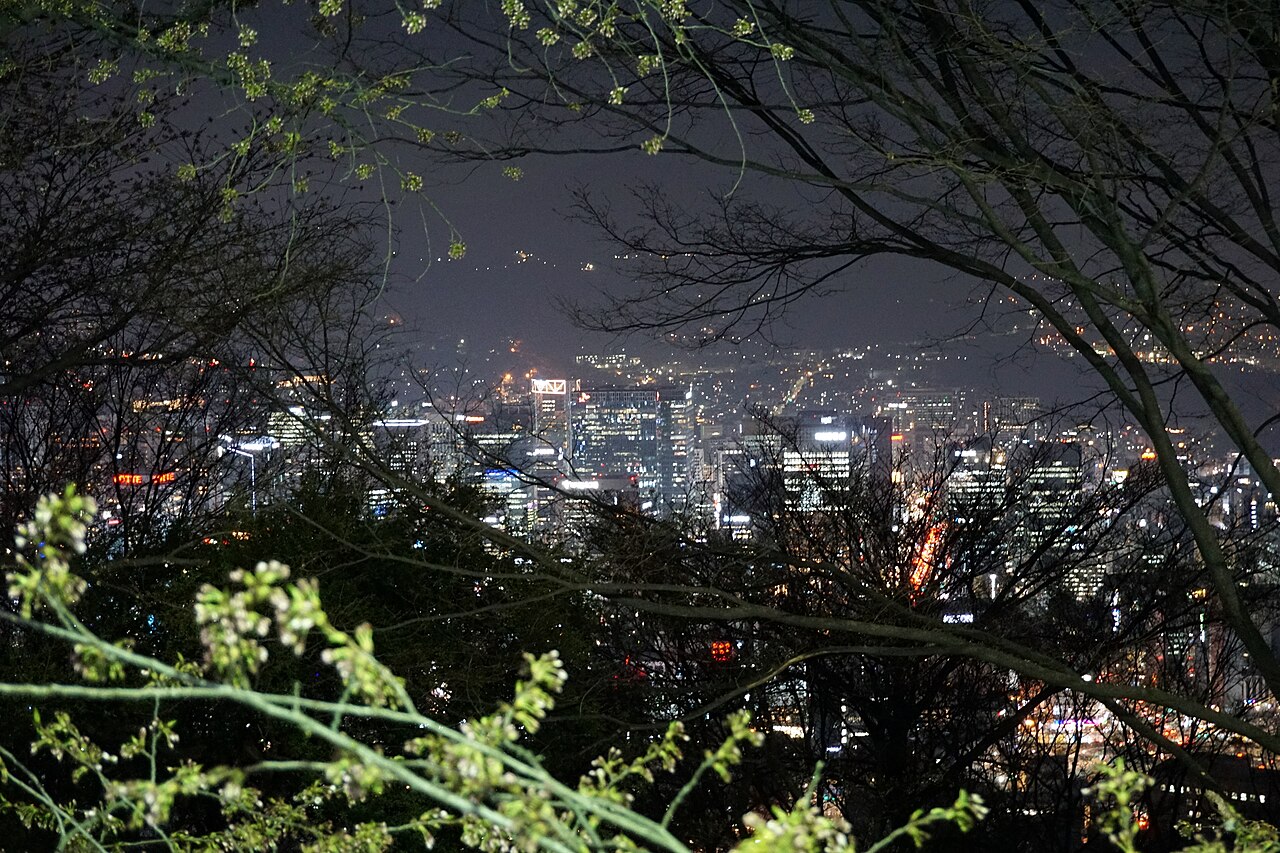
Frieze Seoul and Kiaf Seoul share a week each September. Art Busan opens the spring season.
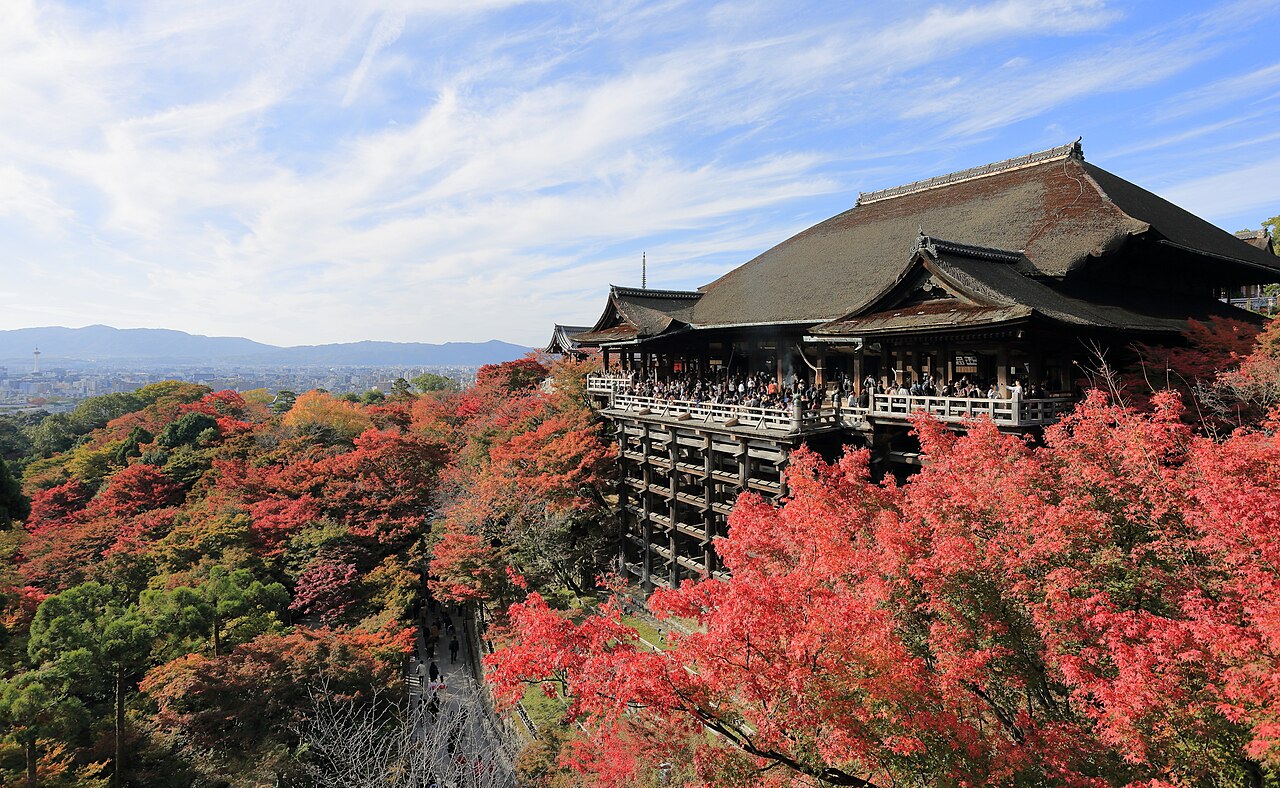
Art Fair Tokyo in March, then Art Week Tokyo and Art Collaboration Kyoto in November.
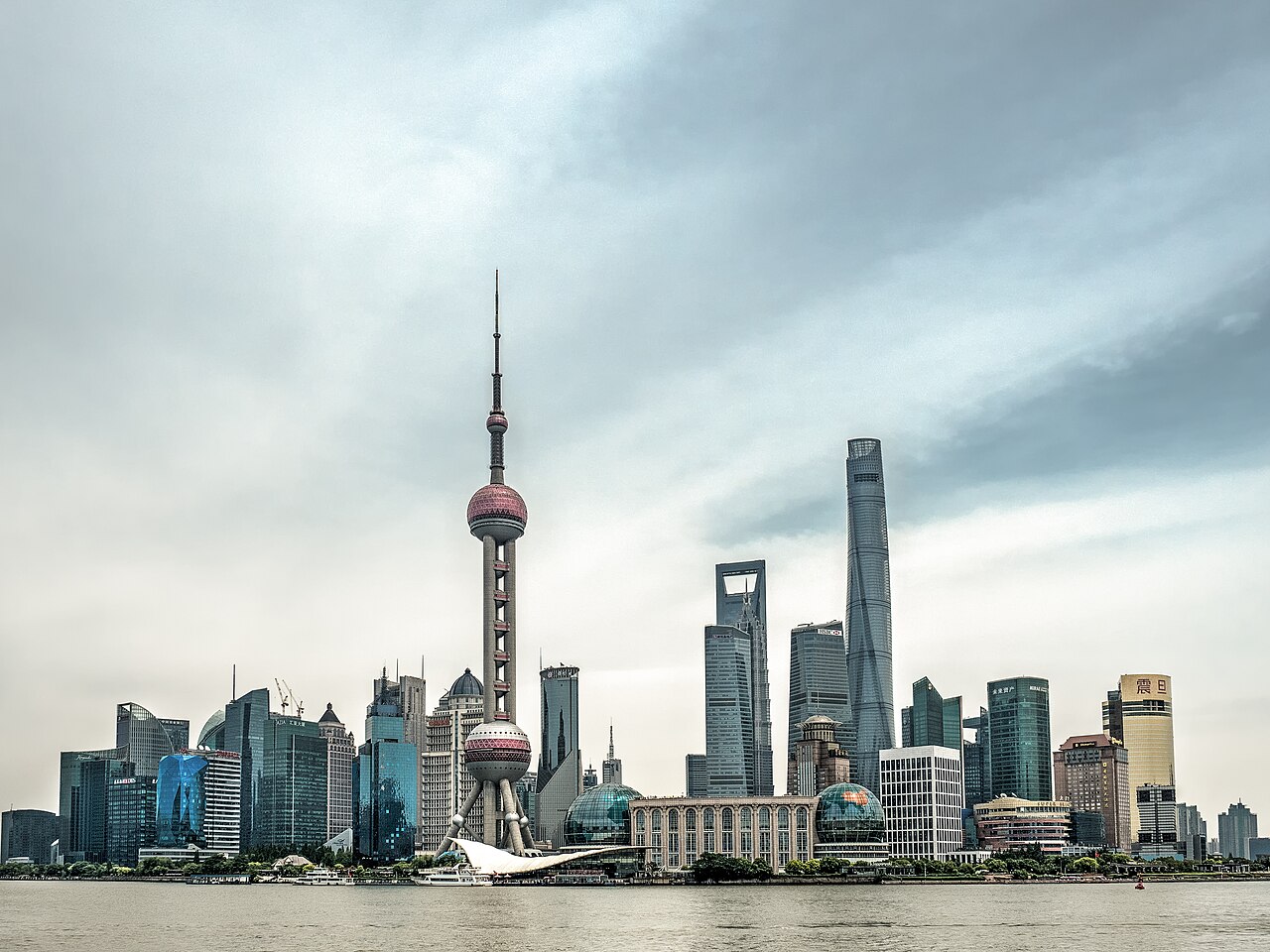
West Bund Art & Design and ART021 in Shanghai each November, and Beijing Dangdai in May.
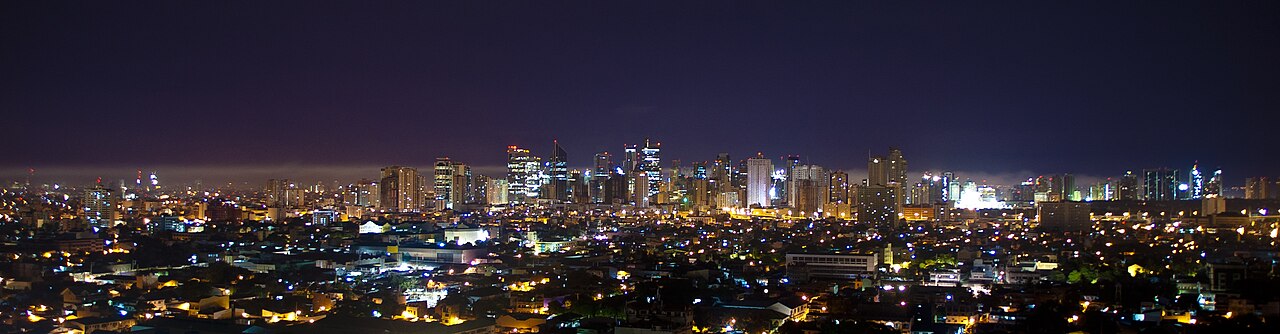
Art Fair Philippines in Makati, and a collector base rooted in Luna, Amorsolo, and their successors.
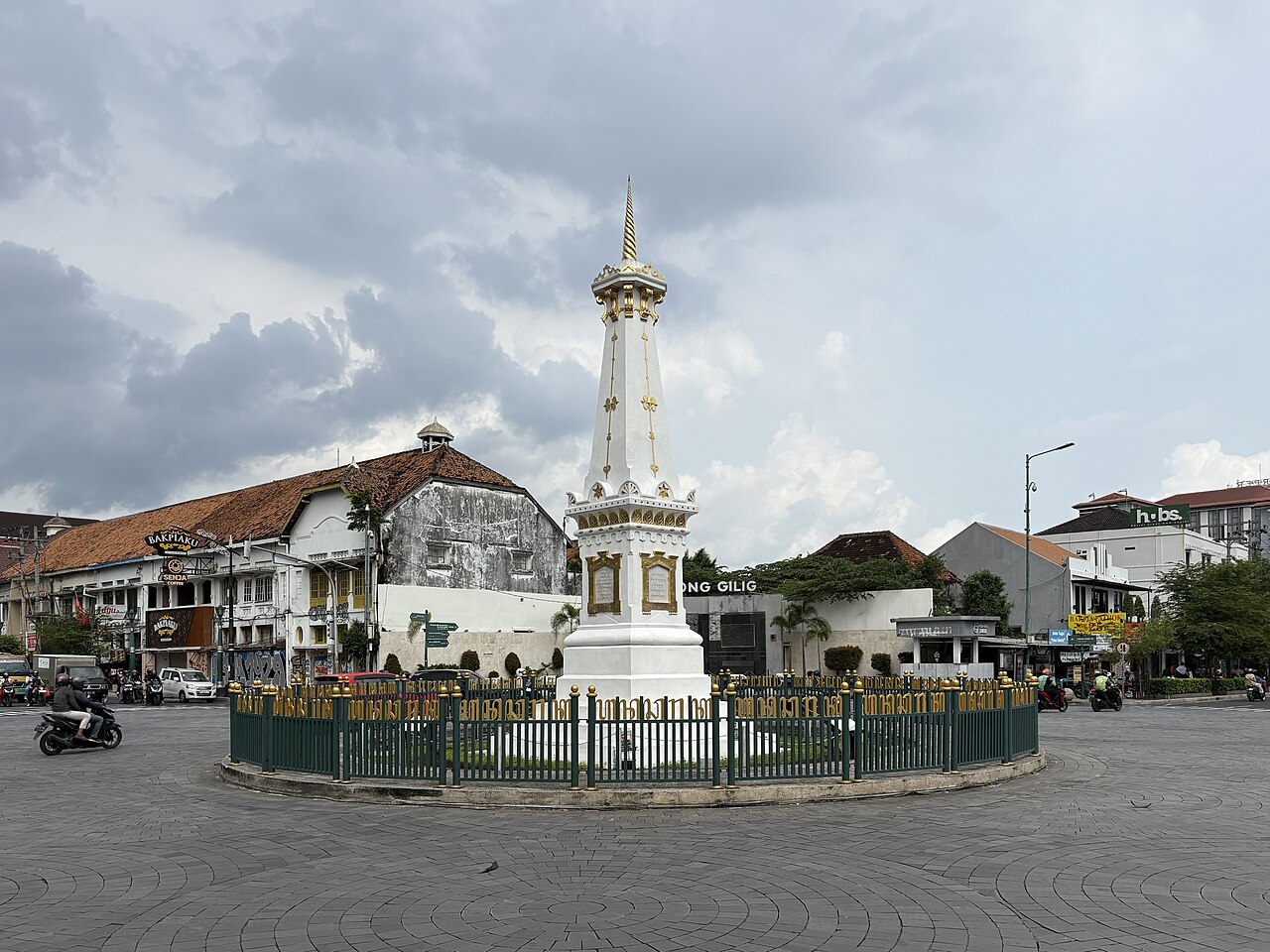
Art Jakarta and ARTJOG, where much of Indonesia’s contemporary scene first comes into view.
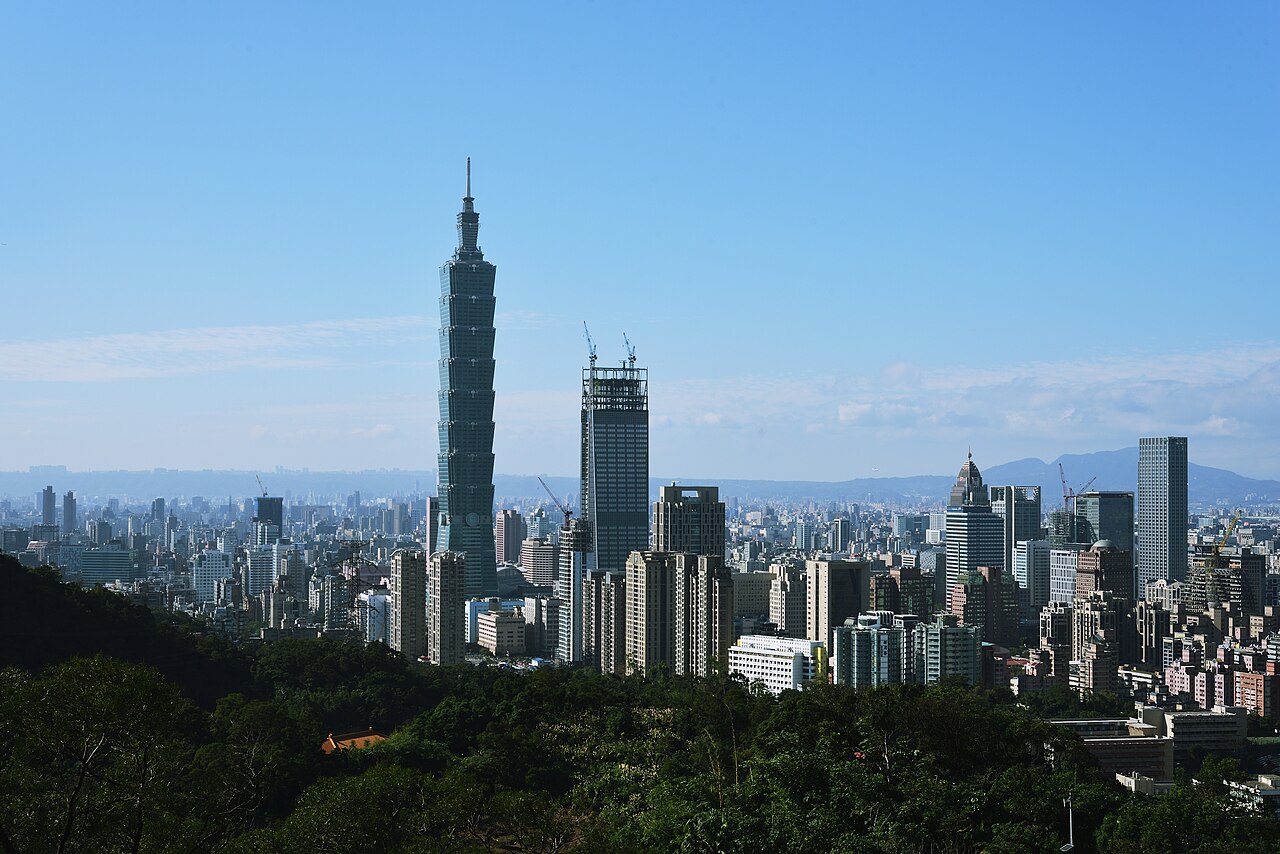
Taipei’s museums and galleries, and the Bangkok Art Biennale, extend the map.
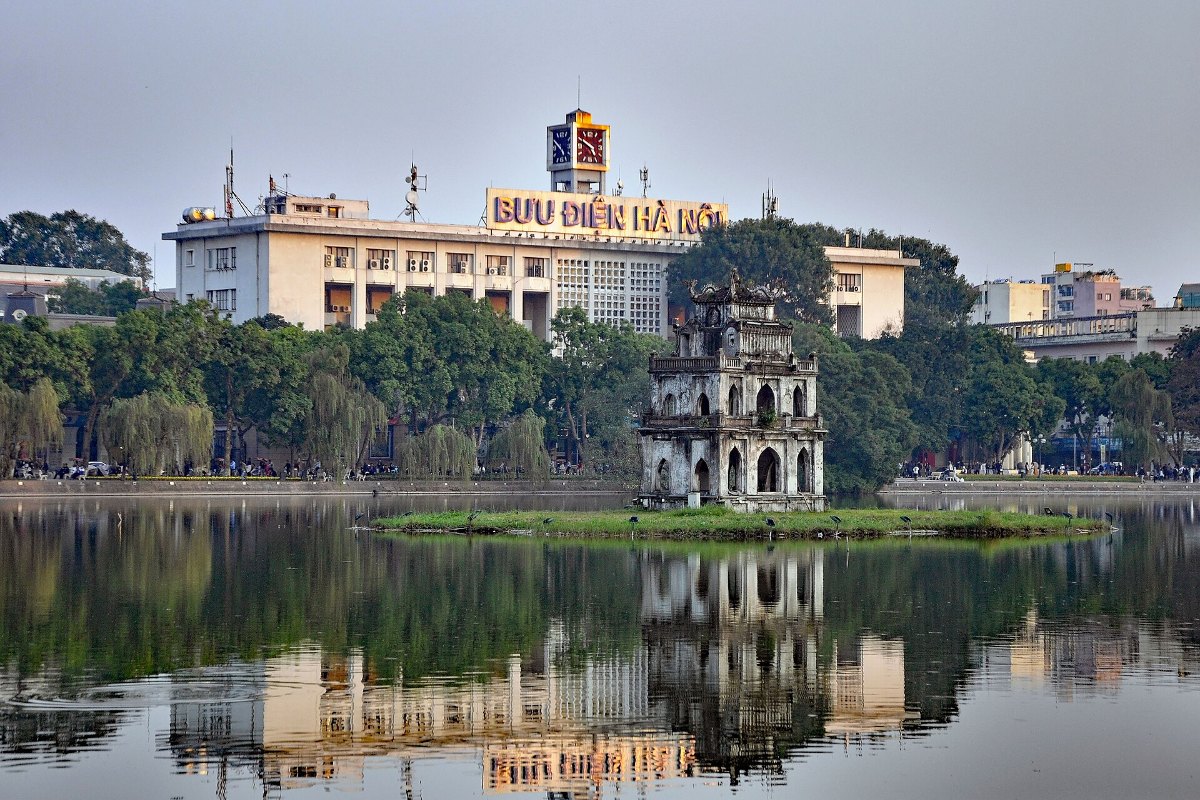
The Vietnam Fine Arts Museum in Hanoi holds the national canon of lacquer and silk painting. The Factory Contemporary Arts Centre anchors a young scene in Ho Chi Minh City.
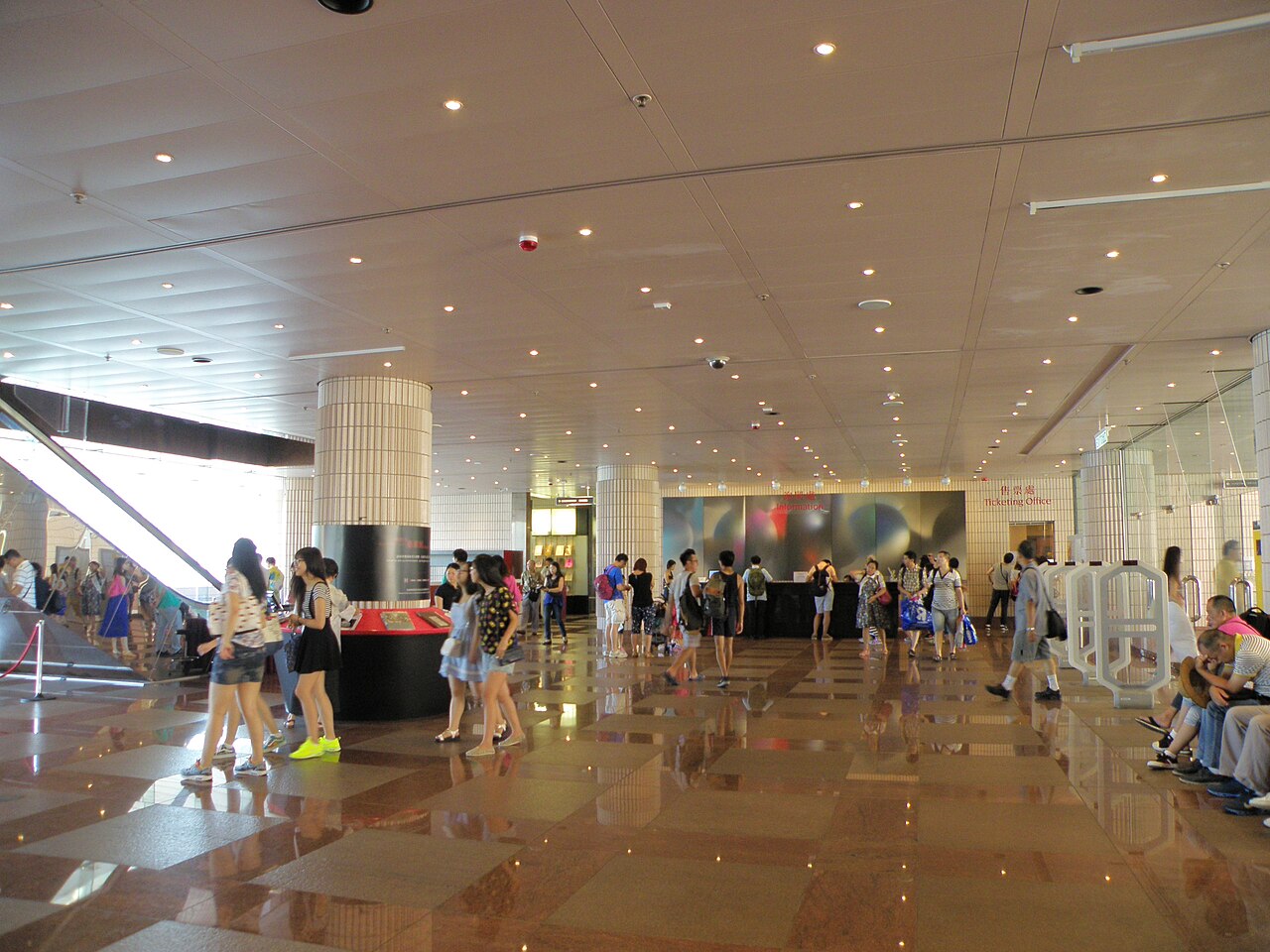
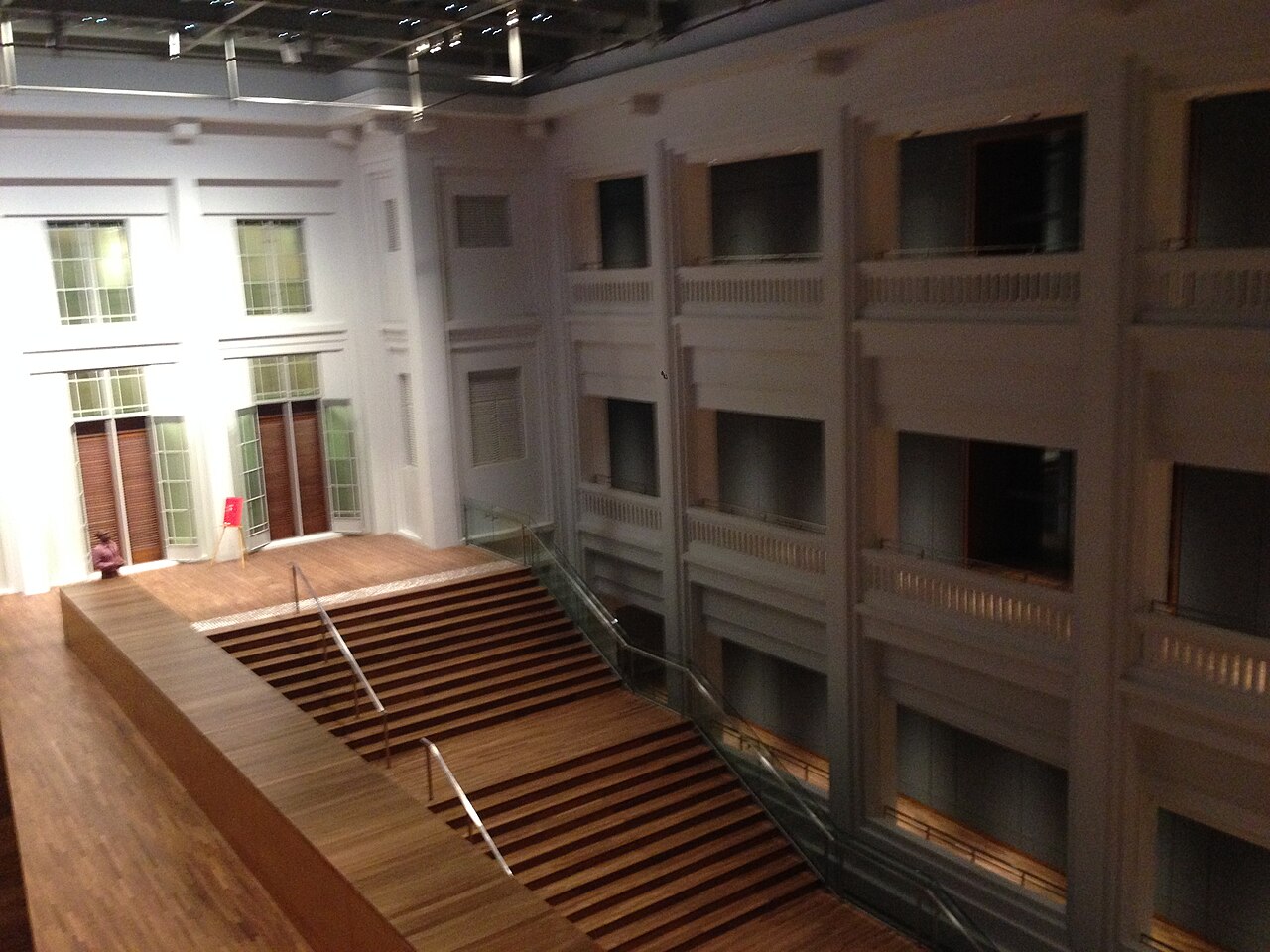
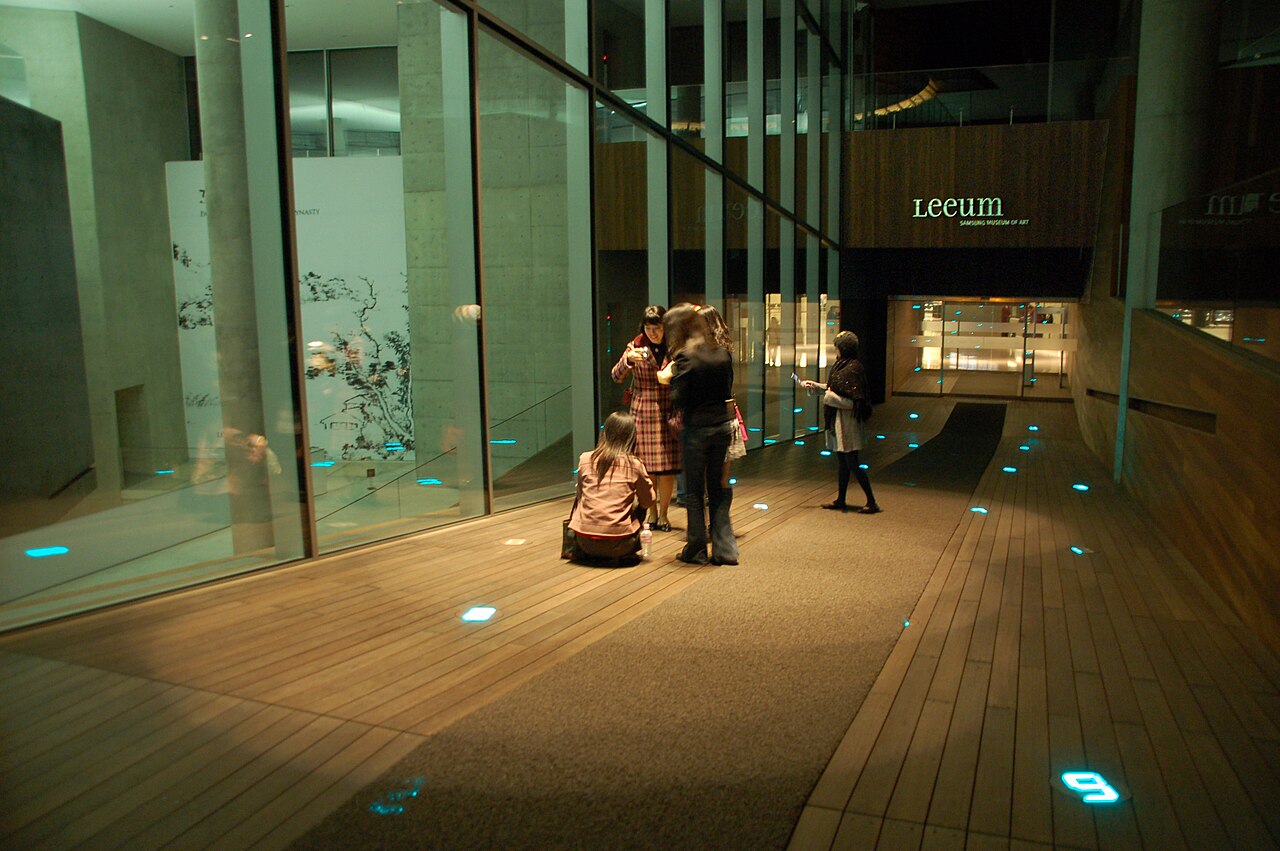
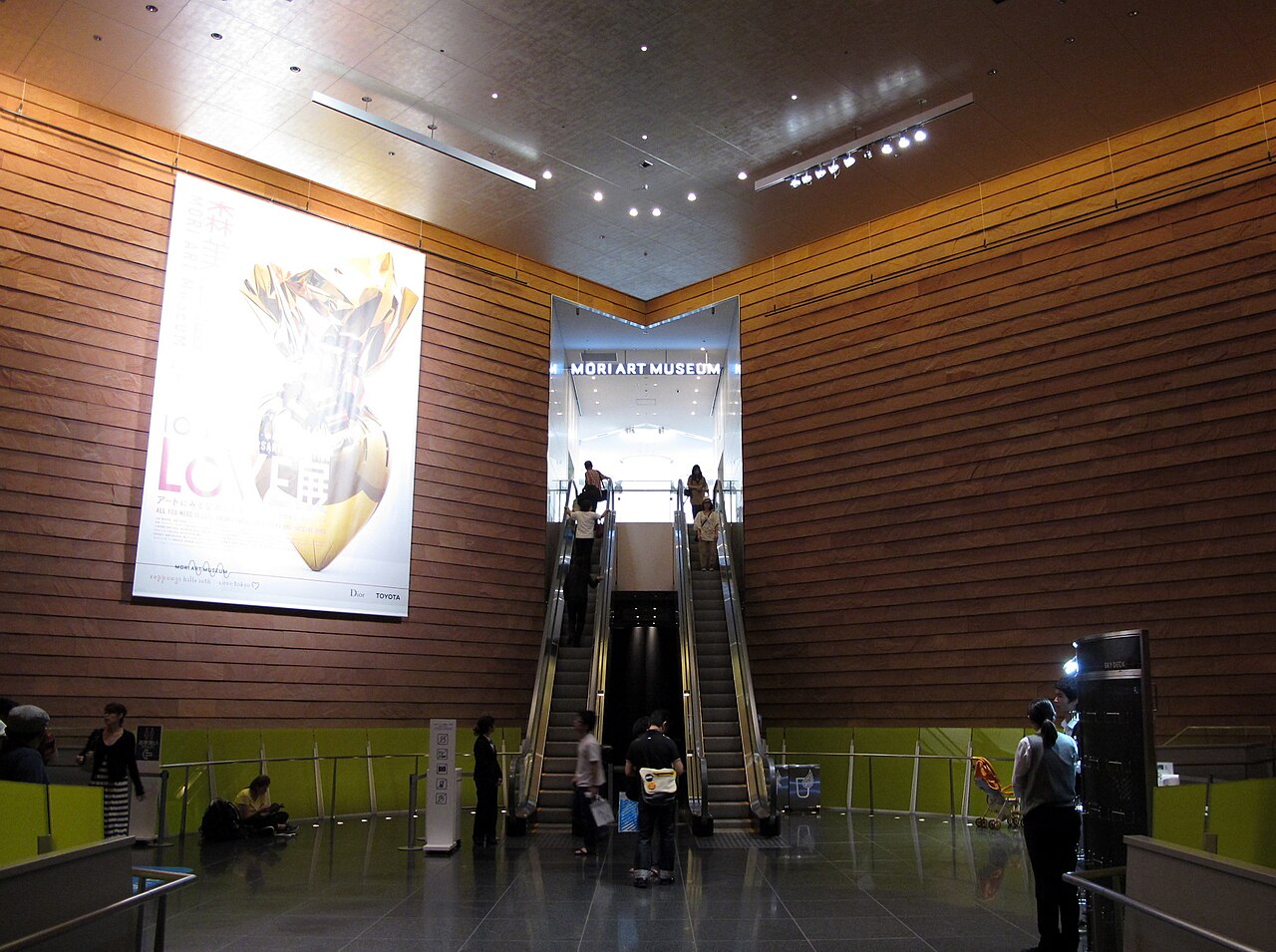
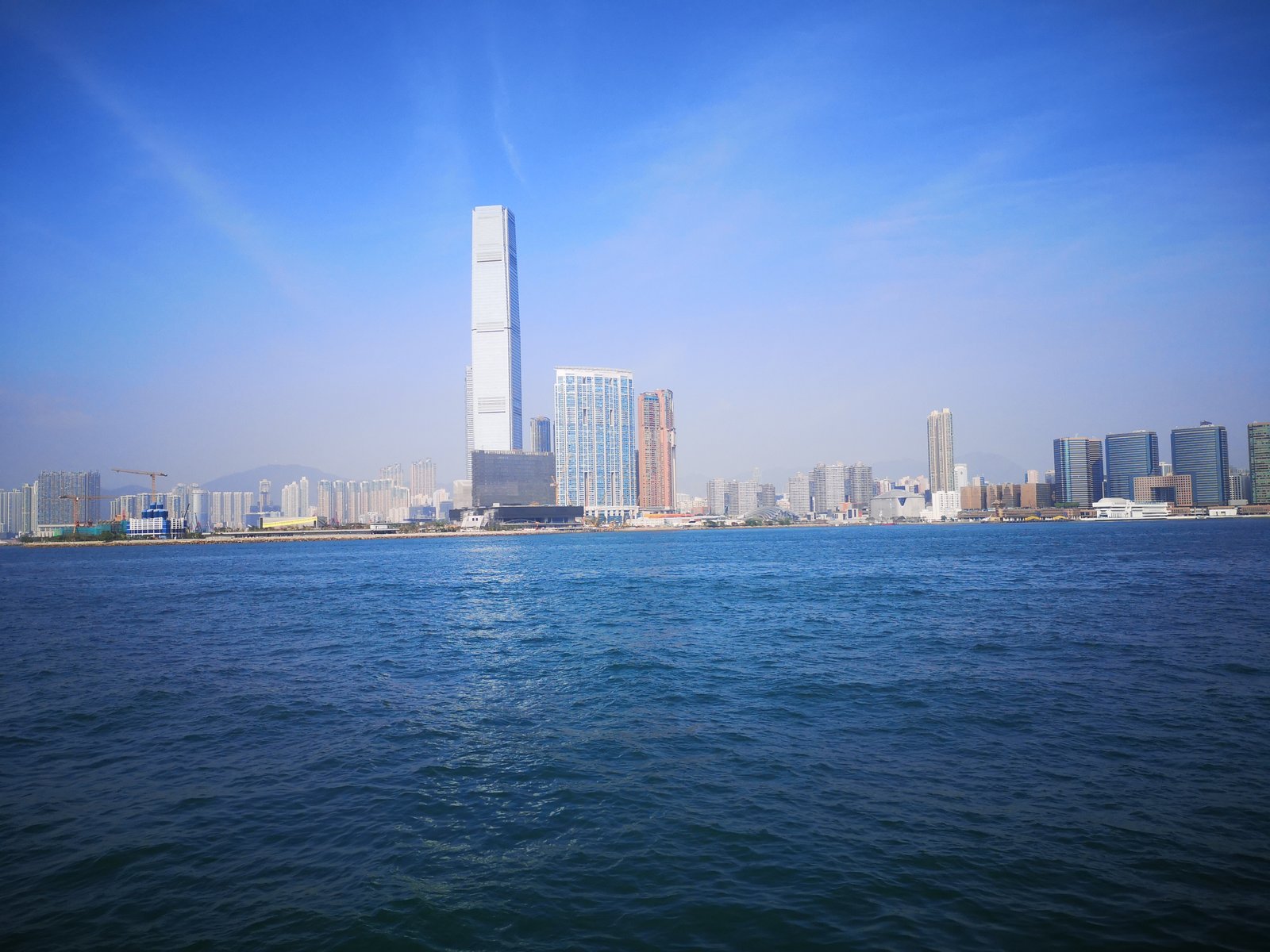
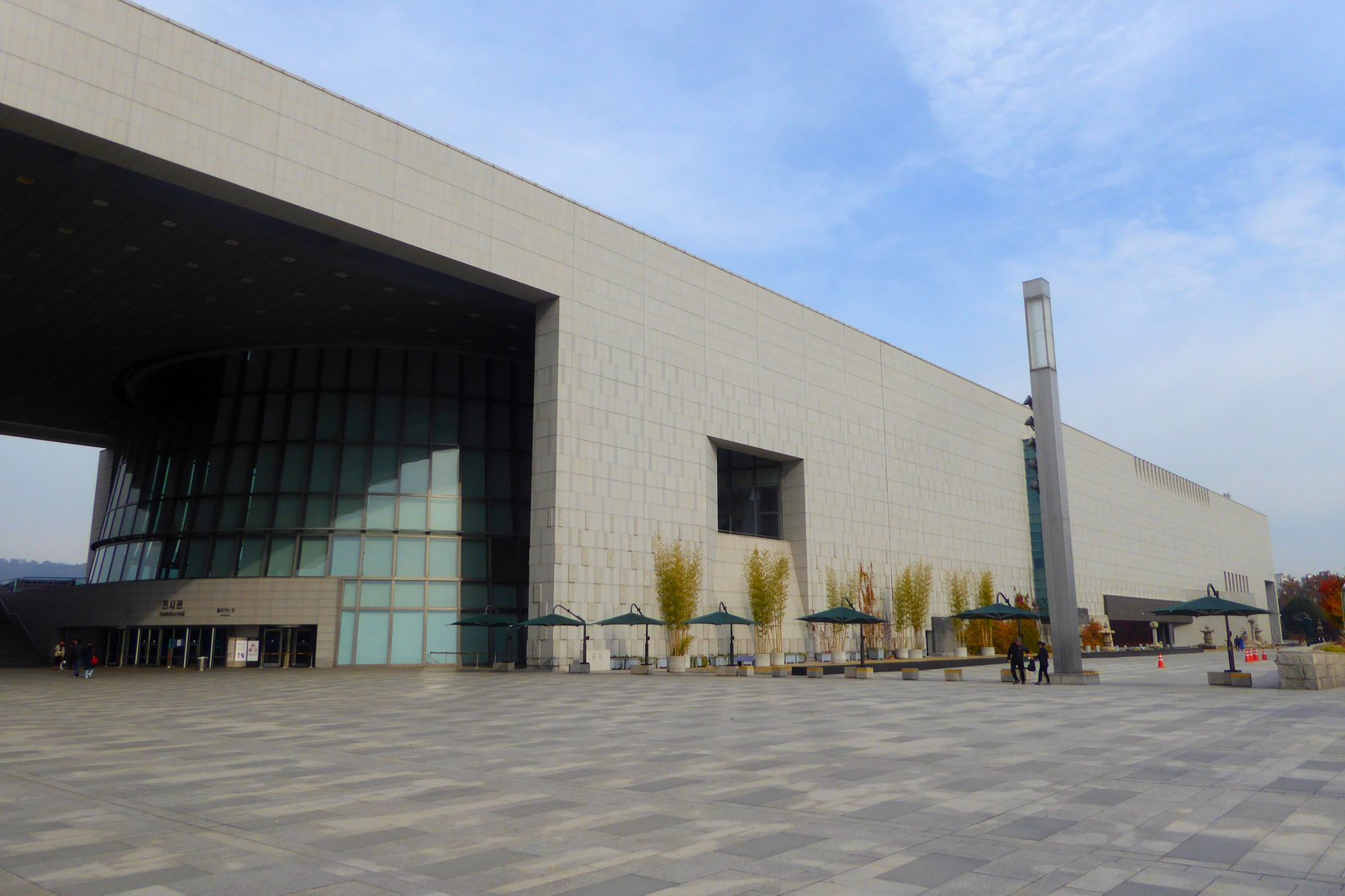
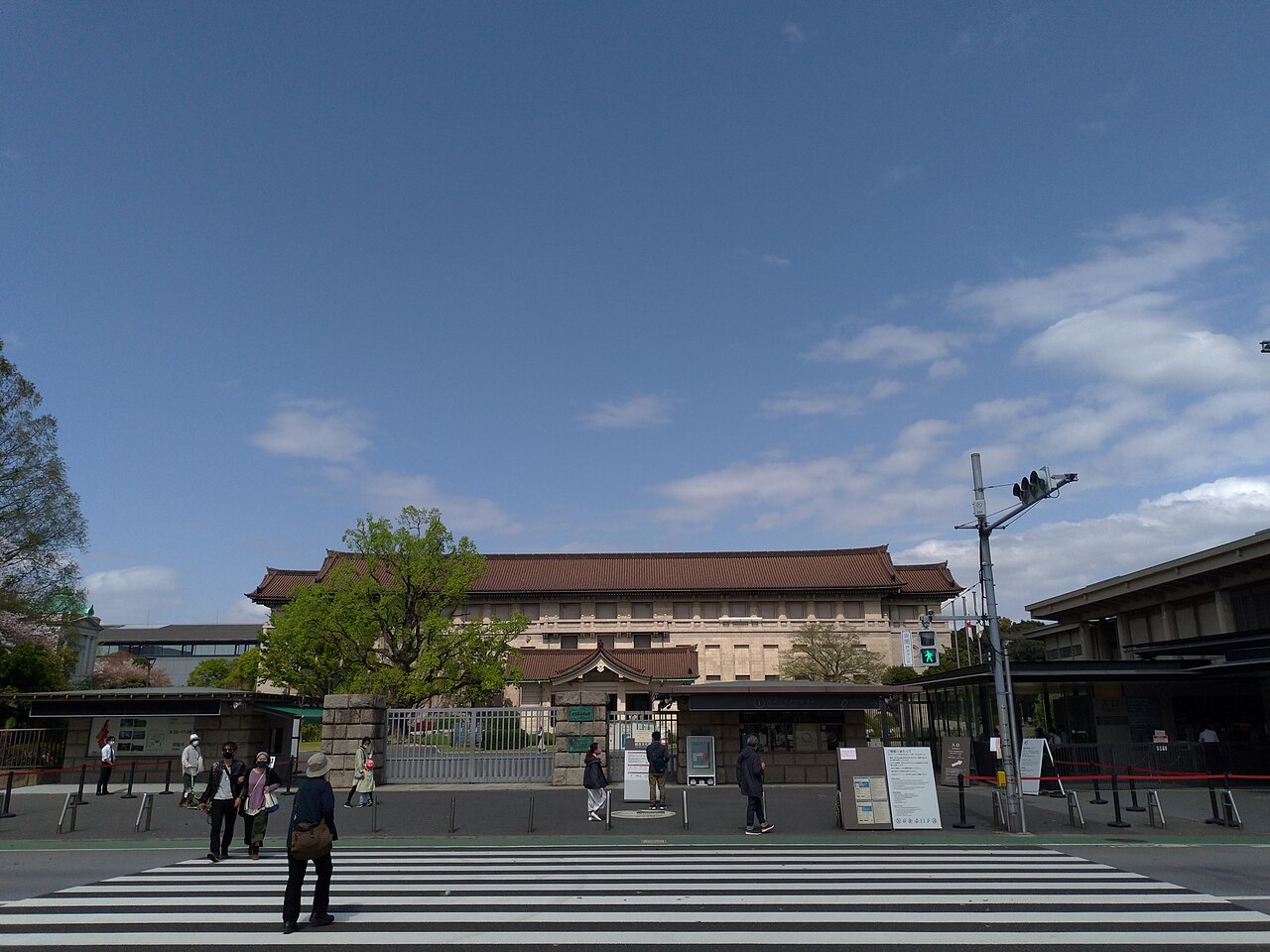
Photographs via Wikimedia Commons. Hong Kong skyline across Victoria Harbour: Diliff, CC BY 3.0; Marina Bay, Singapore, at dusk: Benh LIEU SONG (Flickr), CC BY-SA 4.0; Seoul skyline at night from Namsan: Matt Kieffer from London, United Kingdom, CC BY-SA 2.0; Kiyomizu-dera temple, Kyoto: Martin Falbisoner, CC BY-SA 4.0; Pudong skyline across the Huangpu River, Shanghai: Ermell, CC0; Makati skyline at night, Manila: Red marquis, CC0; Tugu monument, Yogyakarta: Chainwit., CC BY 4.0; Taipei skyline with Taipei 101: Sinchen.Lin, CC BY 2.0; Entrance hall, Hong Kong Museum of Art: Exploringlife, CC BY-SA 4.0; Former City Hall chamber, National Gallery Singapore: Smuconlaw, CC BY-SA 4.0; Leeum, Samsung Museum of Art, Seoul: takato marui, CC BY-SA 2.0; Mori Art Museum entrance, Tokyo: Wing1990hk, CC BY 3.0; Turtle Tower, Hoàn Kiếm Lake, Hanoi: P. Hughes, CC BY 4.0.
Distinct regional identities, institutions still in formation, and room for careful discovery. Singapore and ART SG serve as one point of entry. Research names of interest include Citra Sasmita, Marigold Santos, and Melissa Tan; these are subjects of study, not consignments.
Deep canons, global afterlives of the print, and living workshops. Ink, porcelain, and contemporary practice still form the first curriculum for many visitors. Looking precedes scholarship; scholarship then steadies the eye.
A mature field now attending to younger talent. Craft (ceramics, lacquer, glass) continues to enter contemporary rooms. The next generation merits as much attention as established names.
A collector culture rooted in Luna, Hidalgo, and Amorsolo, and a contemporary scene that gathers each year at Art Fair Philippines in Makati. Diaspora collectors keep it connected to the world.
Artists of Asian heritage in London, Paris, New York, and Los Angeles carry these traditions into new forms. Their work belongs in the same conversation as the work made at home.
Younger collectors increasingly approach Asian objects for history, design, and cultural meaning, often at levels far below Western trophy prices. Looking is the entry; scholarship is the guardrail.
Access, by invitation
A great work deserves to be seen by the right people, wherever they are. The Collective is building technology to widen who can stand before a work, and will use discretion to decide who is invited.
An online room for a single artist or a single work, opened to a named list of collectors and closed when the viewing ends.
Walk-through rooms built to the scale of the real space, so a collector in Singapore can stand before a screen installed in Kyoto.
High-resolution imaging reveals brushwork, seals, and the texture of silk and paper more closely than any vitrine allows.
True-scale previews let a collector see a scroll or folding screen in their own home before a private viewing.
Every work carries its images, condition, exhibition history, and ownership record, shared only with those invited to see it.
Champions, Hosts, and Collectors see new works before they are shown publicly.
Technology widens the circle. The Collective decides who is invited into it.
A pretty homepage does not place a work. What does: a private viewing room, a short catalogue sent the same day, the right fair, and one serious museum conversation.
Each artist is presented in an owned digital room with installed views, shared directly with collectors by appointment. Prices stay in the private view.
Walk before exhibiting. The collective works toward the fairs that matter for this field: Art Fair Philippines, S.E.A. Focus in Singapore, Art Basel Hong Kong, Art Fair Tokyo, and Asia Week New York.
In Hong Kong, mainland China, and Singapore, conversations often move to WeChat after discovery on Xiaohongshu. Japan runs on LINE; Philippine and diaspora collectors on WhatsApp. The collective meets collectors where they already are.
One museum placement does more for an artist than ten campaigns. The collective prioritizes loans, acquisitions, and exhibition histories over volume.
Installed photography, condition reports, and a quiet digital certificate accompany every placed work.
A serious essay and a printed catalogue outlast any campaign. Scholarship gives a collector a reason to keep looking, and a curator a reason to call.
Orchid Way Collective treats distribution as a shared practice of care. Founders Susan and Gary LaDrido, together with the Collective network, act as caretakers: helping work become available, documented, and socially connected so exhibitions can do their work.
Distribution here is not louder posting. It is availability, documentation, and connection, practiced with restraint, so the work can meet the right rooms and the right eyes.
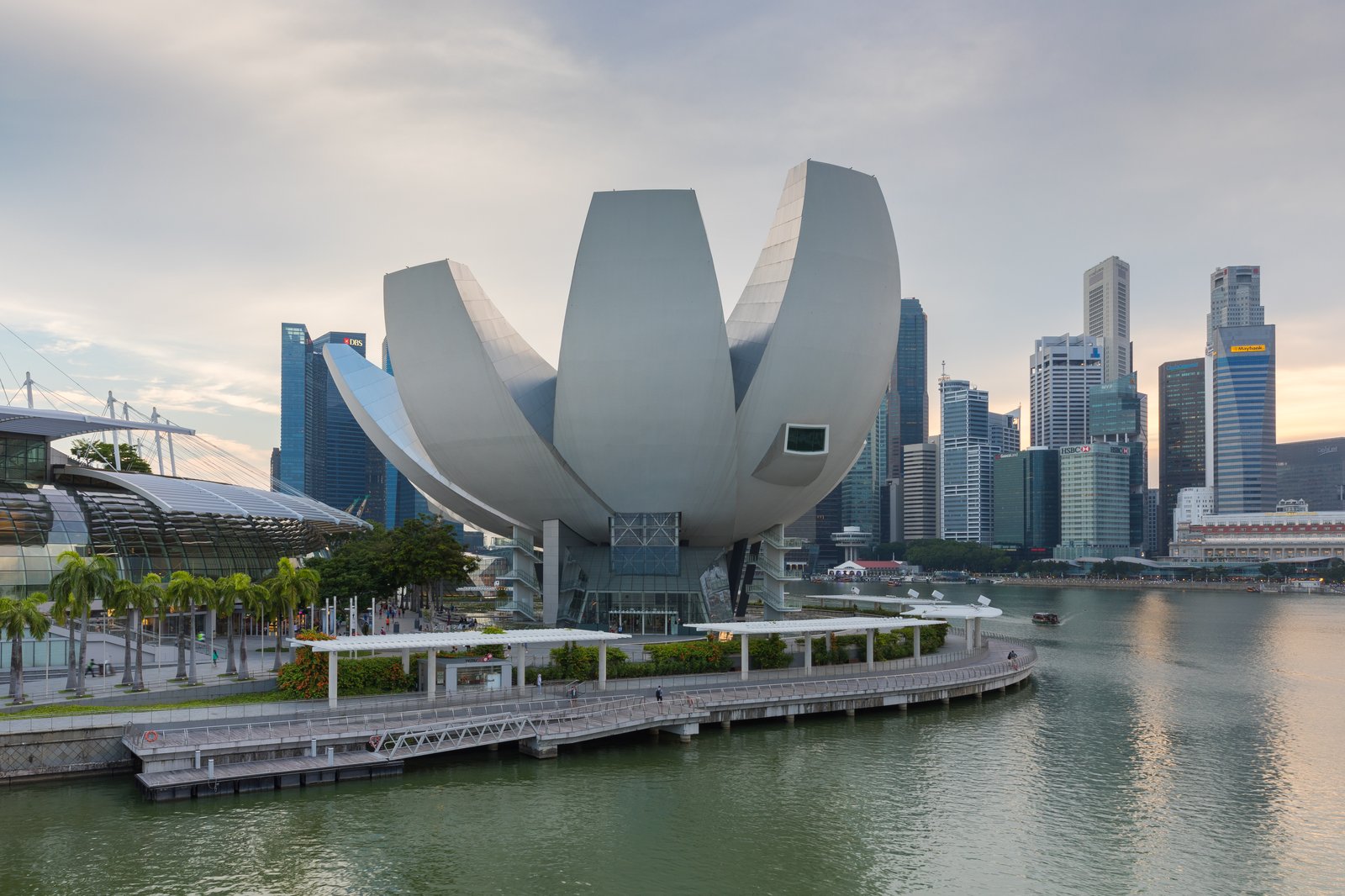
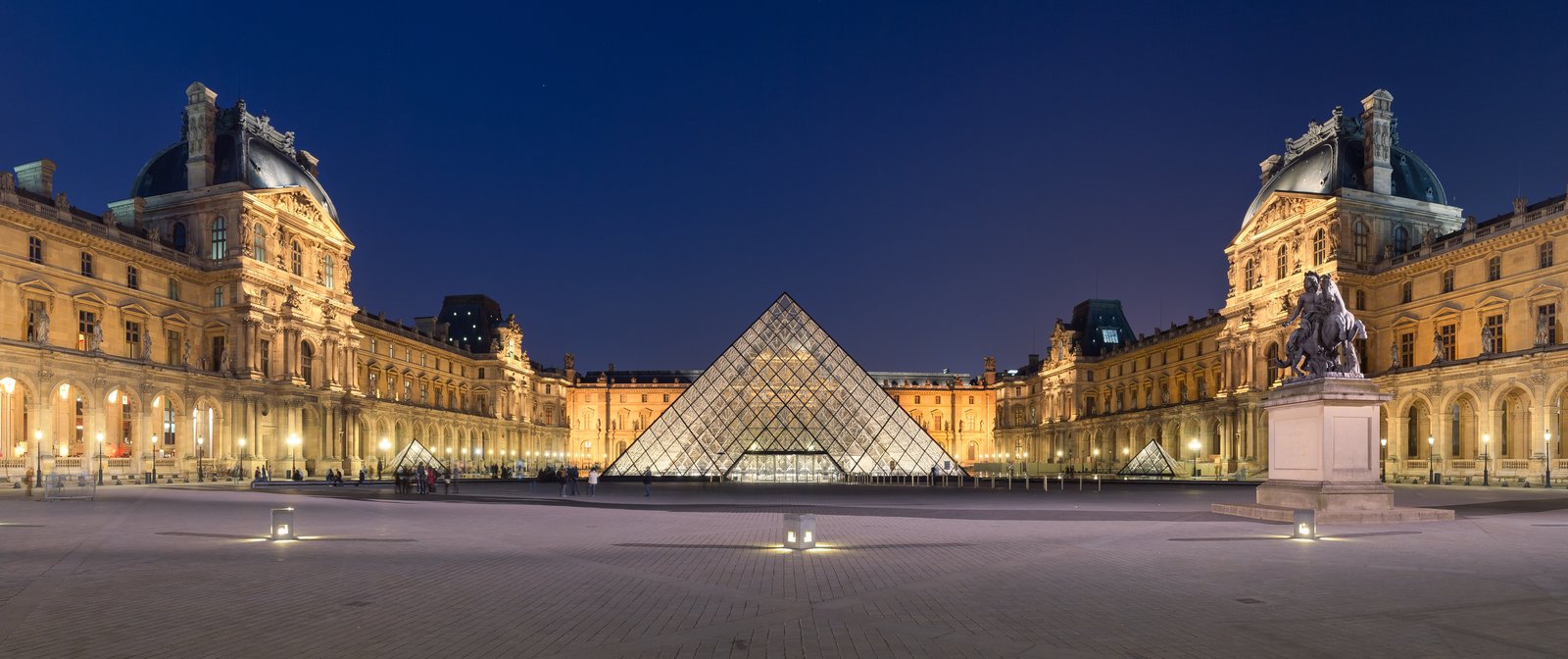
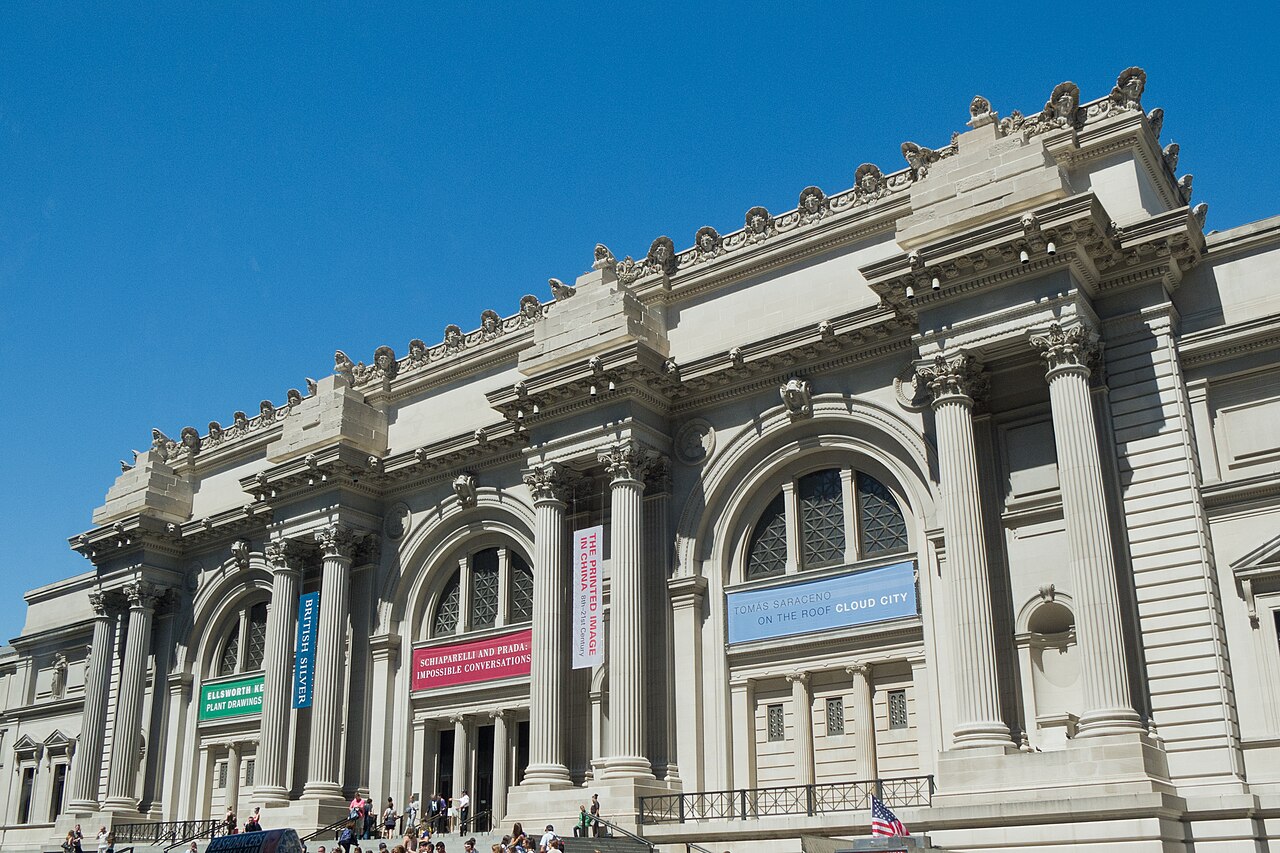
Works leave private storage when they are loaned with care. A careful loan places an object in public sight, in catalogues, and in shared conversation among institutions and visitors.
Clear provenance, condition records, and high-resolution images make work legible to museums and galleries. Exhibition history travels with the object as scholarship, not as marketing copy.
Quiet introductions matter more than campaigns. Networks open doors when they rest on genuine fit among artist, venue, and audience.
The most useful thing a collector can do for an artist is not to post more. It is to make the work available, well documented, and connected to the right people, and then to stay out of the curator’s way.
Privately held art is invisible until it is lent. A loan places a work in catalogues, installation photography, and other collectors’ sightlines. We help vet each venue and insist on a written loan agreement, wall-to-wall insurance, and condition reports at every step.
Provenance, exhibition history, condition reports, and high-resolution images, kept in one place. Institutions return to works that are documented; the rest stay in storage.
A personal note to a curator or fellow collector, a small dinner around an opening, one post that credits the artist and the gallery. Trust travels further than promotion.
Production, shipping, and catalogue costs often decide whether an exhibition happens. Buying from the gallery that shows the artist funds the next show.
No conditions on placement, no co-curator credits, no flipping after the show. The collectors institutions welcome back are the ones who never become the story.
Keep the photographs, letters, and exhibition history together, so the next steward inherits the story along with the work.
Everything on this page points in one direction: toward you. The hubs we watch, the rooms we build, the fairs we walk, and the collectors we ask to lend and introduce all exist so that your work is seen by the people who can carry it further. We will document your work with care, place it with patience, credit you in every room, and stay in your life after the sale. You make the work. We will help the world find it.
Orchids remain on every path. Keep walking through the Collective, or write to us.