Yayoi Kusama is among the most visible living artists worldwide. Known for polka dots, mirrored infinity rooms, soft sculptures, and decades of painting, she shaped postwar art between Japan and New York. This page is an educational essay only. The Collective does not claim to own, exhibit, or represent Kusama's work.
Life and work
Dates: 1929-present. Place: Matsumoto origin; New York years; based in Japan. Medium: Painting, sculpture, installation, performance; infinity rooms.
Born in 1929 in Matsumoto, Nagano Prefecture, Kusama studied nihonga before moving into experimental painting. She lived and worked in New York from the late 1950s into the early 1970s, participating in the downtown performance and avant-garde scene, then returned to Japan. She has continued to produce paintings and large installations into the present. Biographical details of mental health care are part of many public profiles; this summary stays at the level of publicly known career outline without medical speculation. Kusama's return to Japan and long continuing production mean her story is not frozen in 1960s New York. Infinity rooms became global museum magnets in the twenty-first century, raising crowds and questions about spectacle, access, and care.
Signature works
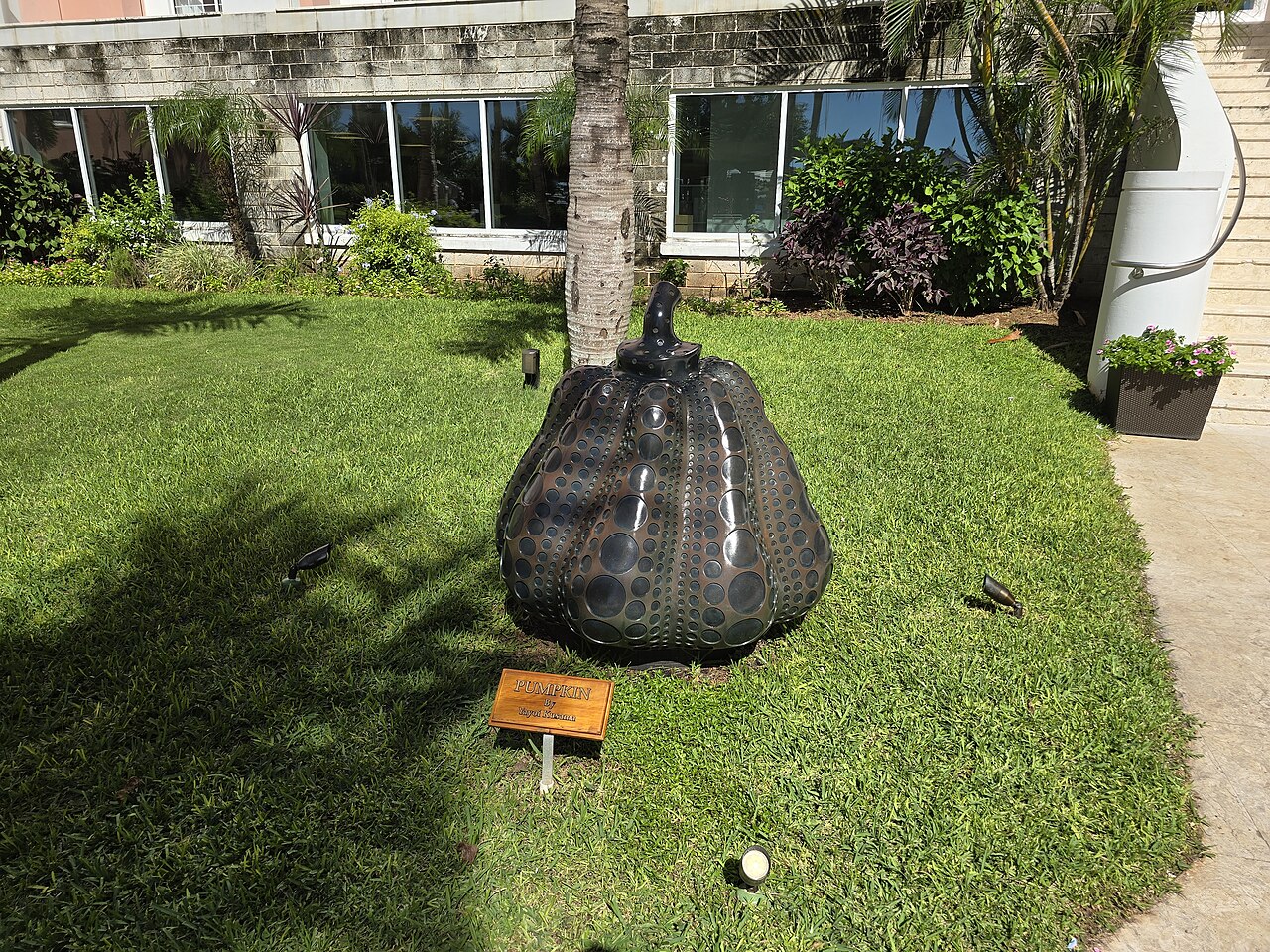
Publicly famous bodies of work include Infinity Mirror Rooms, Accumulation soft sculptures, Net paintings, Pumpkin sculptures, and Obliteration Room participatory installations. These have been shown by major museums internationally under her own studio and museum partnerships. The Collective lists them as public cultural knowledge, not as works in our care.
Who they inspired
Kusama influenced installation art, pop and minimal crossovers, fashion collaborations, and generations of artists working with repetition and immersive environments. Her New York years connect to Happenings and feminist performance histories; her later museum popularity reshaped how contemporary Japanese artists are received globally. Immersive installation practices worldwide owe a visible debt to her mirrored environments. Fashion and luxury collaborations spread her dots far beyond art-world audiences, for better and for worse regarding overexposure.
American / US crossover
Historically real US crossover: Kusama's New York period is documented, and major US museums have hosted large surveys and permanent-collection acquisitions of her work. American audiences are a significant part of her contemporary public. That reception history is real. The Collective still makes no ownership or exhibition claim. Beyond the historic New York years, major US museums continue to stage Kusama exhibitions that draw hundreds of thousands of visitors. That ongoing American public is documented. The Collective repeats: educational discussion only, no ownership or exhibition claim.
Era door: After the nation