Diaspora, return, and living makers. Nations remain; artists also move.
After the nation does not mean nations vanish. It means art histories must track migration, Cold War institutions, biennials, and diaspora audiences beside state museums.
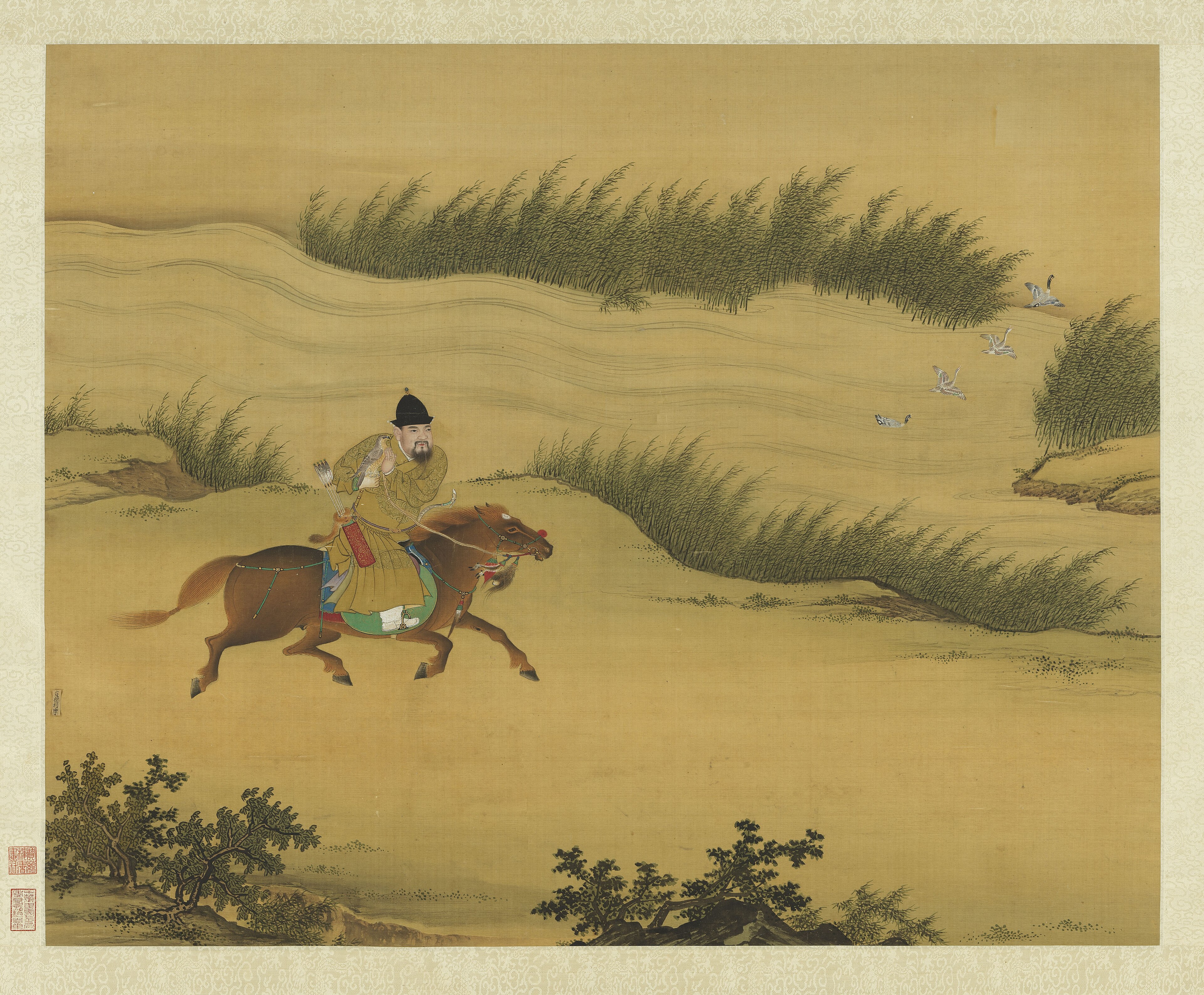
Fernando Amorsolo's mid-century Philippine sunlight and postwar memory; Qi Baishi's late fame; Zhang Daqian's global itinerary including California; Yayoi Kusama's New York years and later international museum life. Each entry states only documented crossover. The Collective does not claim to own or hang these works.
The collective teaches eras first, then invites living artists through a plain open call. Rooms stay sparse on purpose. No invented roster names beyond what the site already states.
Sometimes crossover means Japonisme collecting; sometimes museum holdings; sometimes a real US residency (Kusama's New York period, Zhang's California years); sometimes Filipino-American home memory of Amorsolo. When none apply, artist pages say so in short honest notes.
Use Artists for biographies and Journey doors for time. Paths (gardens, sakura, shores) offer thematic walks without replacing chronology.