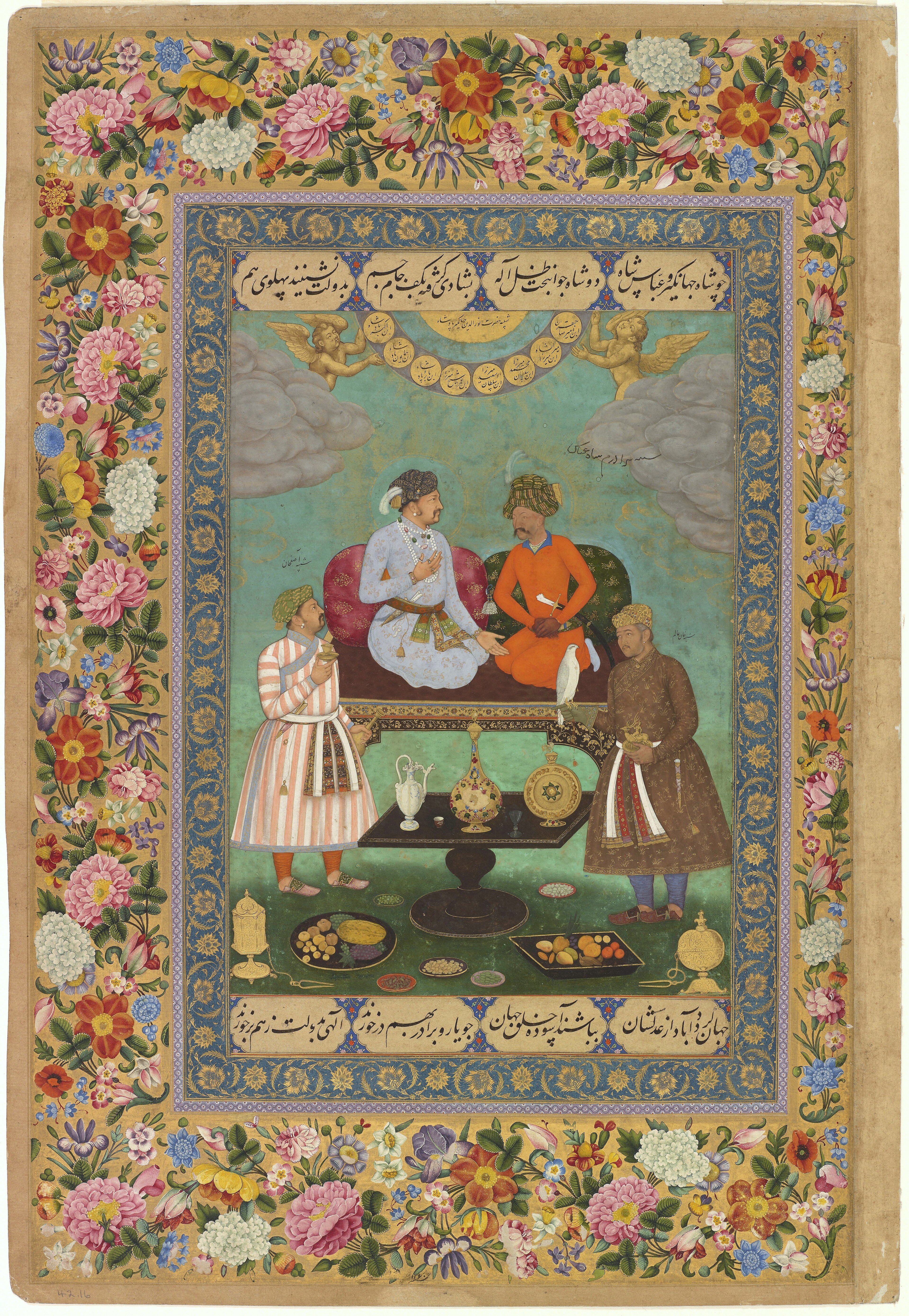
Patronage, brush canons, and courtly measure set standards of beauty that later ages quote or resist.
Courts and canons is the era door for workshop hierarchies, imperial and shogunal taste, and the painting texts that teach how to see.
Northern Song monumental landscape (Fan Kuan, Guo Xi) and later Southern Song lyric modes gave East Asia a durable vocabulary of mountains, mist, and traveling scholars. Literati ideals gradually argued that brush personality could outweigh court polish. The Collective links inspiration entries for Fan Kuan and Guo Xi through this door.
Heian court culture refined Yamato-e narrative painting and decorative surface. Kamakura and Muromachi periods intensified Zen-associated ink painting; Sesshu Toyo stands as a late figure in that ink lineage for our roster. Temple workshops and court ateliers remain mostly anonymous teams.
Goryeo Buddhist painting and celadon, then early Joseon court painting systems, set Korean canons of elegance and restraint. Later true-view innovations (Jeong Seon) will speak back to Chinese models from a Joseon center of gravity.
For the Philippine archipelago, these centuries are not best flattened into a Chinese court story. Local polities, trade with neighboring seas, and later Spanish colonization (after this bracket) require separate clocks. This door still welcomes comparative looking without fake shared dynasties.
When cities enlarge print markets and popular devotion, Cities, prints, faiths opens. Canons do not vanish; they become things publishers and urban audiences remix.