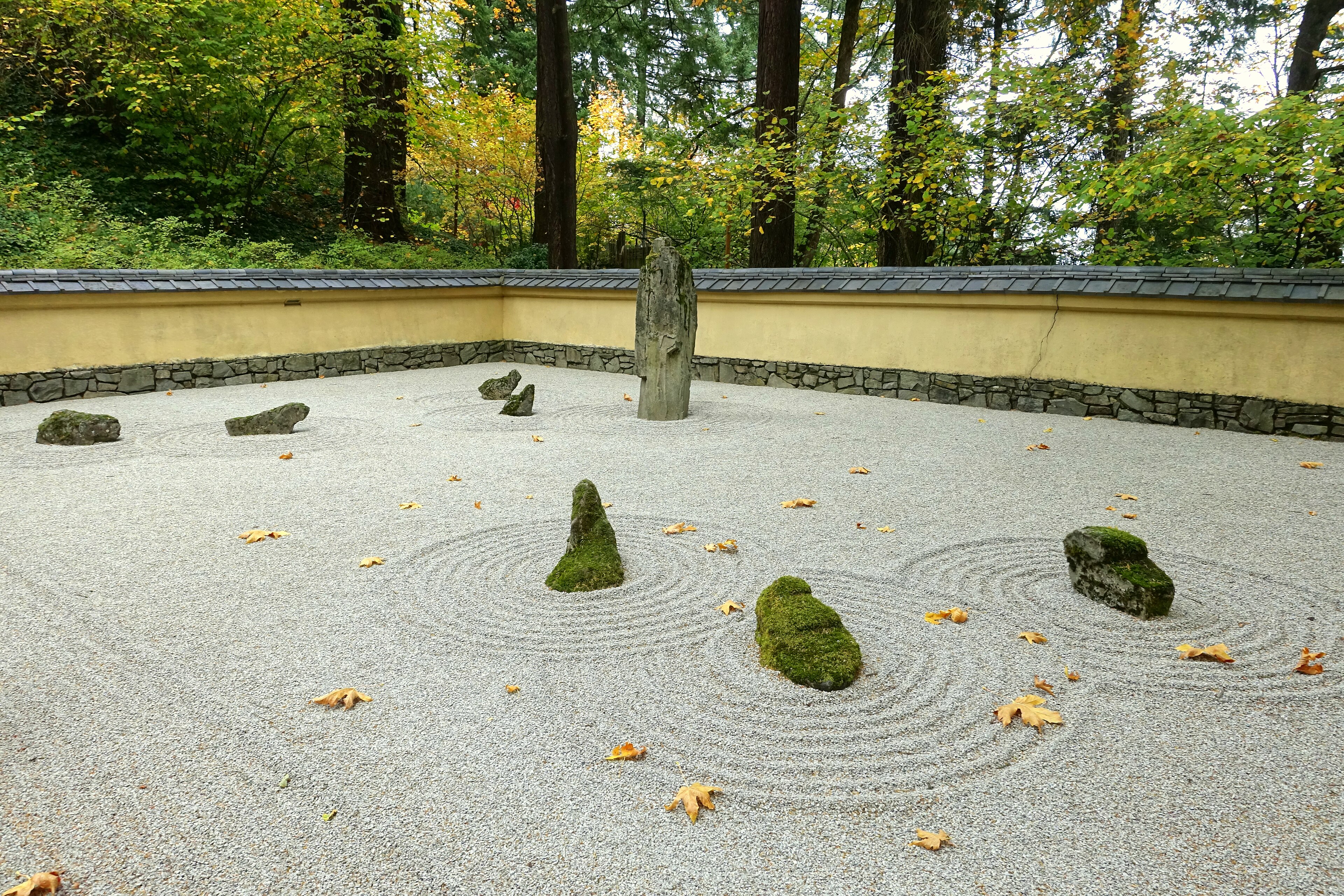
Before long-distance Buddhist image networks, communities across Asia shaped earth, stone, bronze, and fired clay into vessels of rite.
Ritual ground names the deep layer where making and ceremony are hard to separate. Pots, jade, bronze vessels, megaliths, and tomb furnishings carry social order and offering. This essay teaches contact without forcing one calendar onto every valley.
The Collective uses six contact eras as doors, not as a claim that Japan, China, Korea, and the Philippine archipelago shared one political clock. To c. 200 BCE is a teaching hinge: after it, Buddhist and related image paths thicken across Asia. Before it, local ritual economies dominate the archaeological story.
In the Yellow River and neighboring regions, Neolithic cultures produced painted pottery and jade workings later collected into Chinese cultural memory. Bronze-age ritual vessels of the Shang and Zhou worlds turned alloy and inscription into state theology. On the Korean peninsula and in the Japanese archipelago, pottery traditions (including Jomon ceramics in Japan) and later bronze and iron ritual objects show different tempos. Across island Southeast Asia, including the Philippines, archaeologists document burial goods, earthenware, and trade beads that tie local communities to wider maritime exchange without erasing local rite.
Clay remembers fire. Jade remembers polish and restricted labor. Bronze remembers piece-mold casting and workshop teams. Stone alignments and tomb architecture remember collective work. When names of individual artists are missing, the Collective keeps workshop anonymity visible instead of inventing masters.
Ask what was offered, who could touch the object, and how far the material traveled. A Philippine burial jar and a Chinese bronze ding are not the same religion; both can still be read as ritual technology. Avoid forcing later national labels backward onto prehistoric makers.
When portable sacred images and monastic networks expand, the next door opens: Image of the path. Ritual ground does not disappear; it becomes understory beneath temples and icons. Women's labor in textiles, food offerings, and household rite belongs in the main story whenever evidence allows, not in a sidebar. Silent forms (unsigned objects) stay central.