Empire, modernity, and fracture. Artists answer with academic oil, reformed ink, and national debates.
The cracked mirror names the century when Western academic systems, colonial rule, and Asian reform movements collided inside studios and schools.
Juan Luna and Felix Resurreccion Hidalgo won Madrid recognition in 1884 while the Propaganda Movement argued reform under Spain. Their careers show how salon skill became a political proof. American colonial rule after 1898 adds another layer to Philippine modern culture without erasing the Spanish-era triumph story.
Xu Beihong's academic training in Europe and his ink horses stand for debates about realism, national subject matter, and art education. Qi Baishi's modern ink vitality offers another path through the same decades. Zhang Daqian's early career also begins in this long crisis, though his diaspora decades continue into the next era.
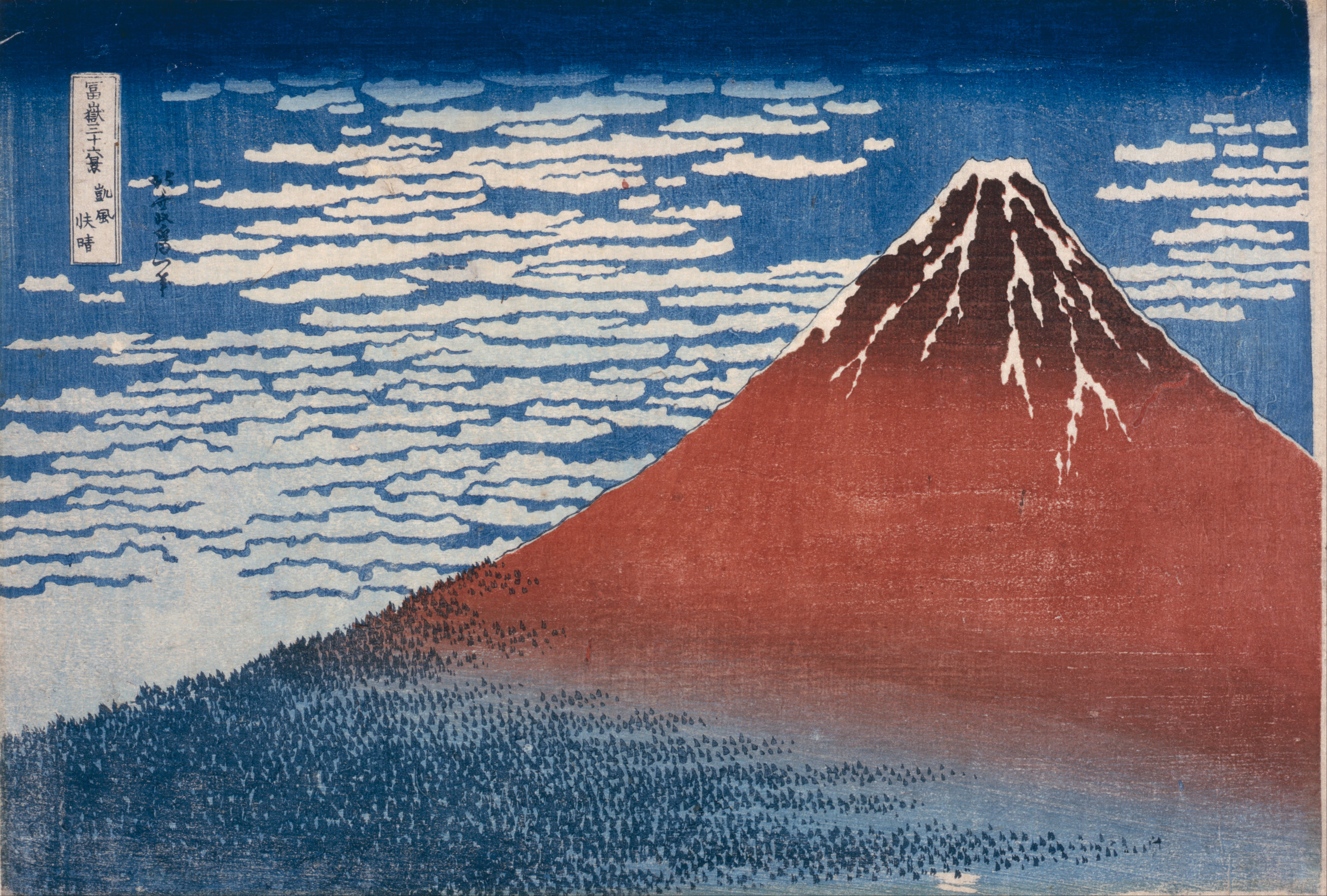
Meiji institutions remade Japanese art education; colonial rule on the Korean peninsula constrained and redirected Korean modern arts. Print, oil, and photography enter teaching stories carefully, without fake Collective exhibitions.
After 1945, partitions, diasporas, and new nations reframe living makers. After the nation opens for postwar and contemporary paths, including documented US crossovers when real.