Dansaekhwa
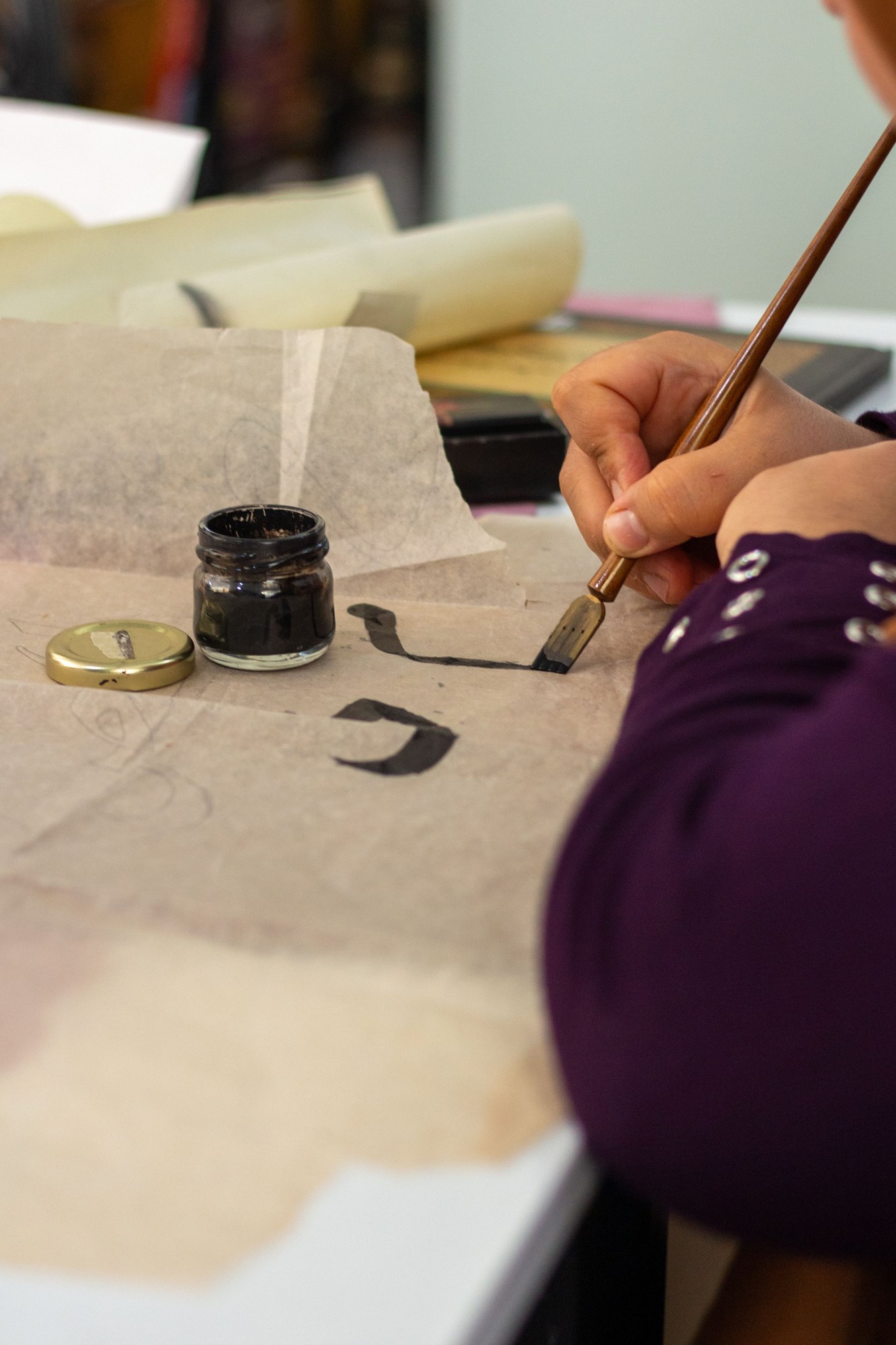
Korea. Repetition, paper, push-of-the-brush as modern meditation.
History
Asian art is not a single tradition. It is many civilizations in contact: China, Japan, Korea, Southeast Asia, Central Asia, Tibet, and the island worlds that carried ideas by sea. Attend to objects first; then read the eras.
Along the way
The search for orchids taught us to look for what is rare. The search for art begins the same way, with history: the eras and inheritances that shaped everything that followed.
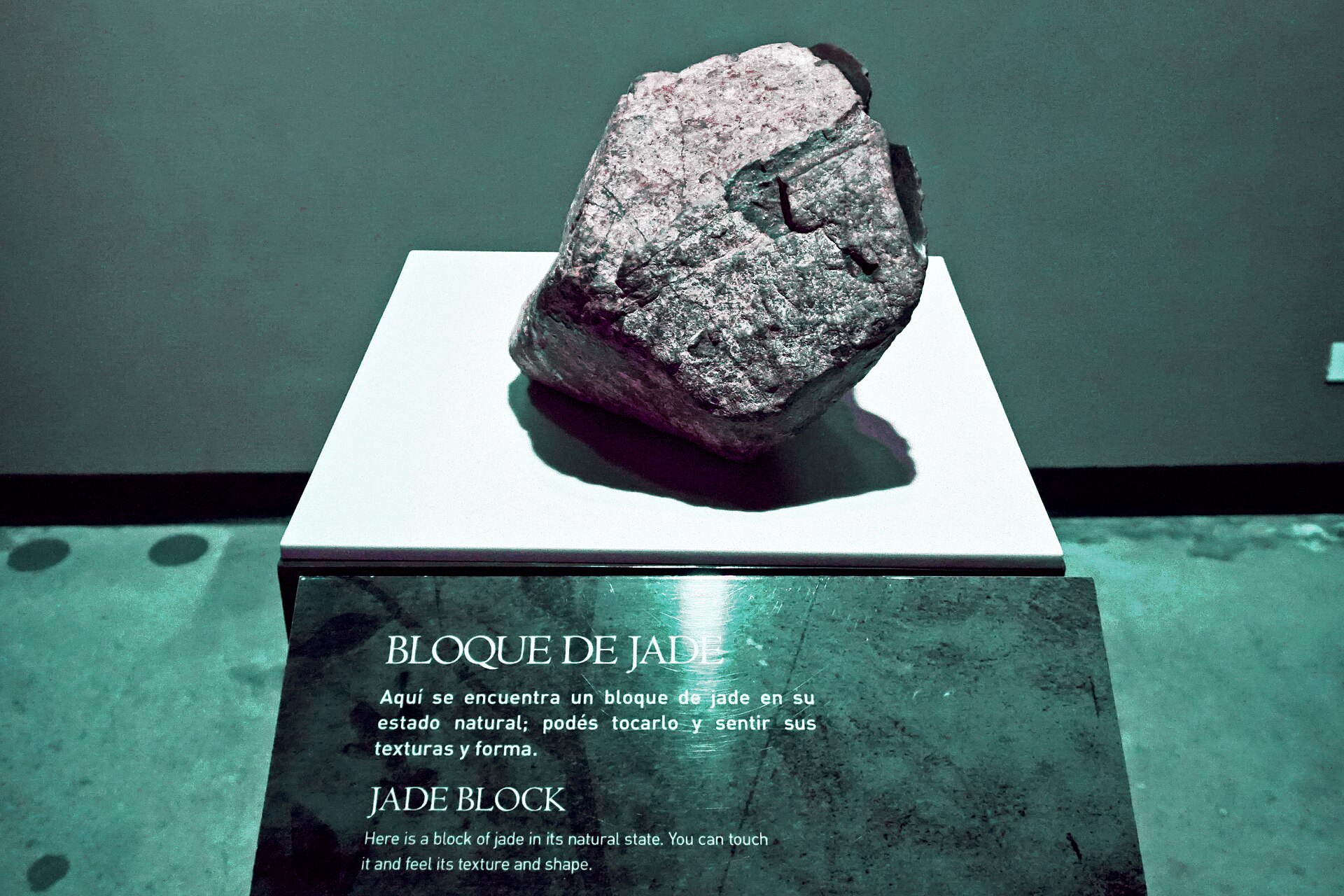
Before dynasties, makers fired clay, cut jade, and shaped ritual form. Jōmon vessels in Japan, together with Yangshao and Longshan pottery in China, attest to settled craft long before empires. Neolithic jade and early kiln culture already instruct patience, polish, and workshop discipline.
Era door: Ritual ground.
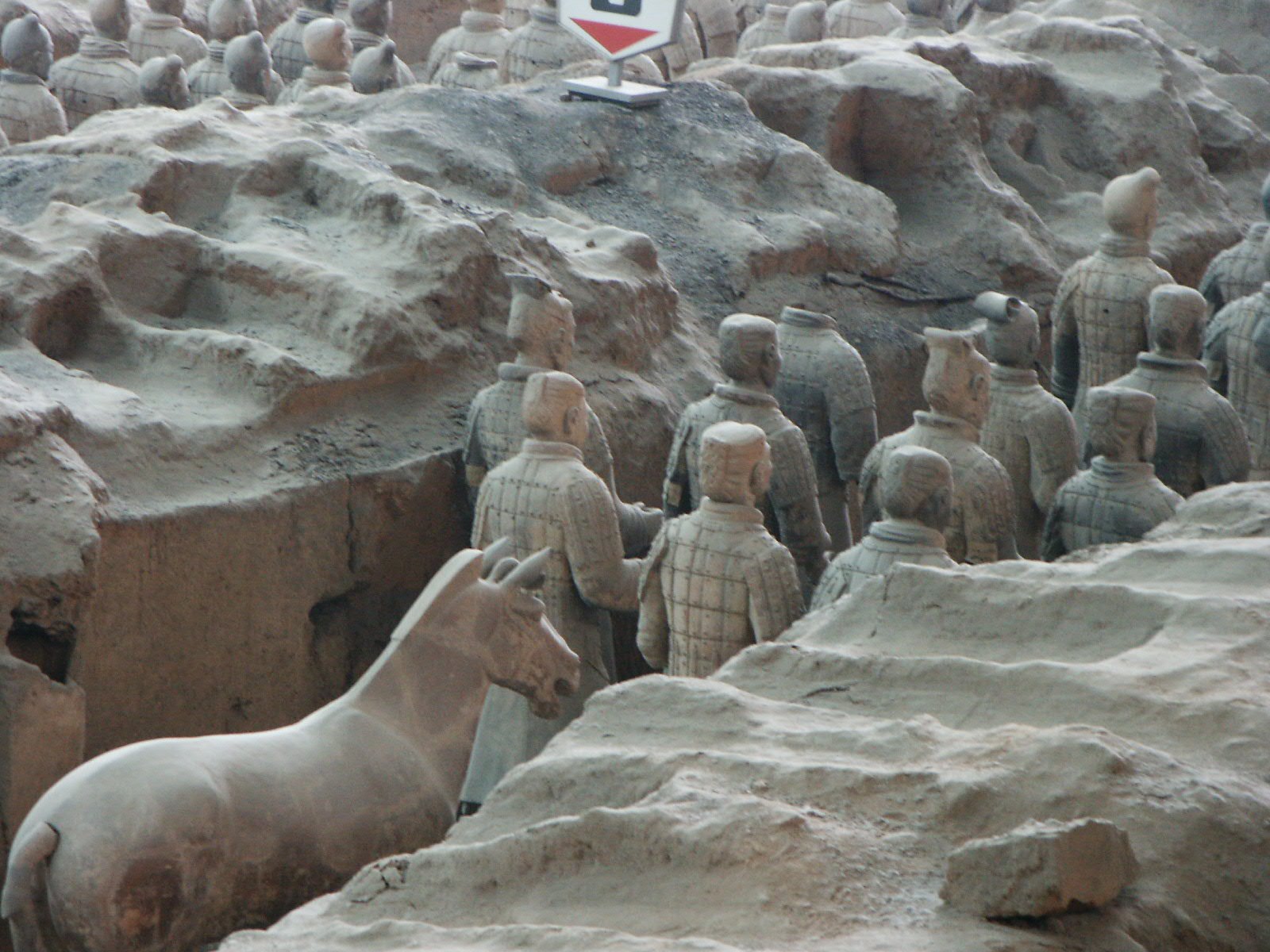
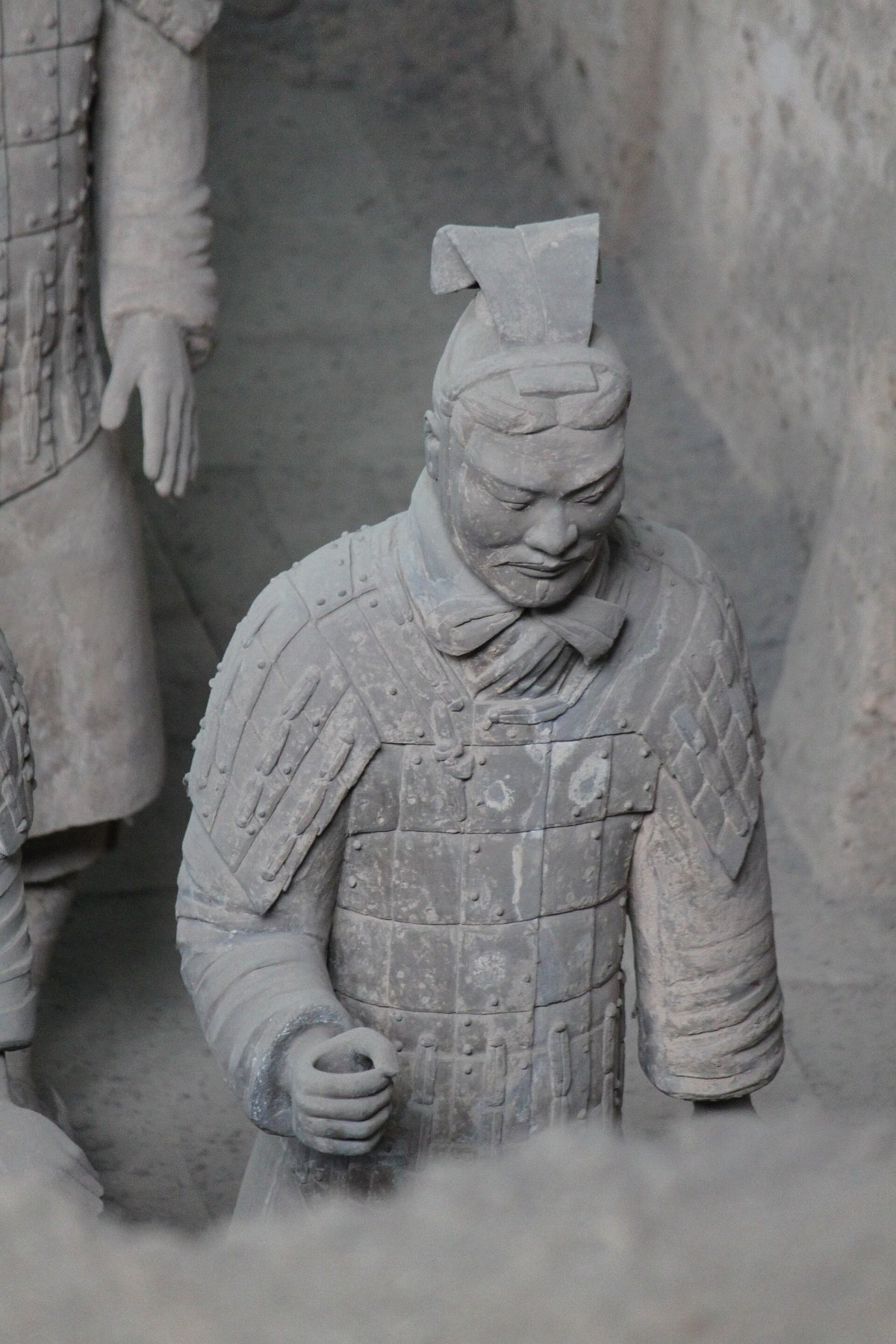
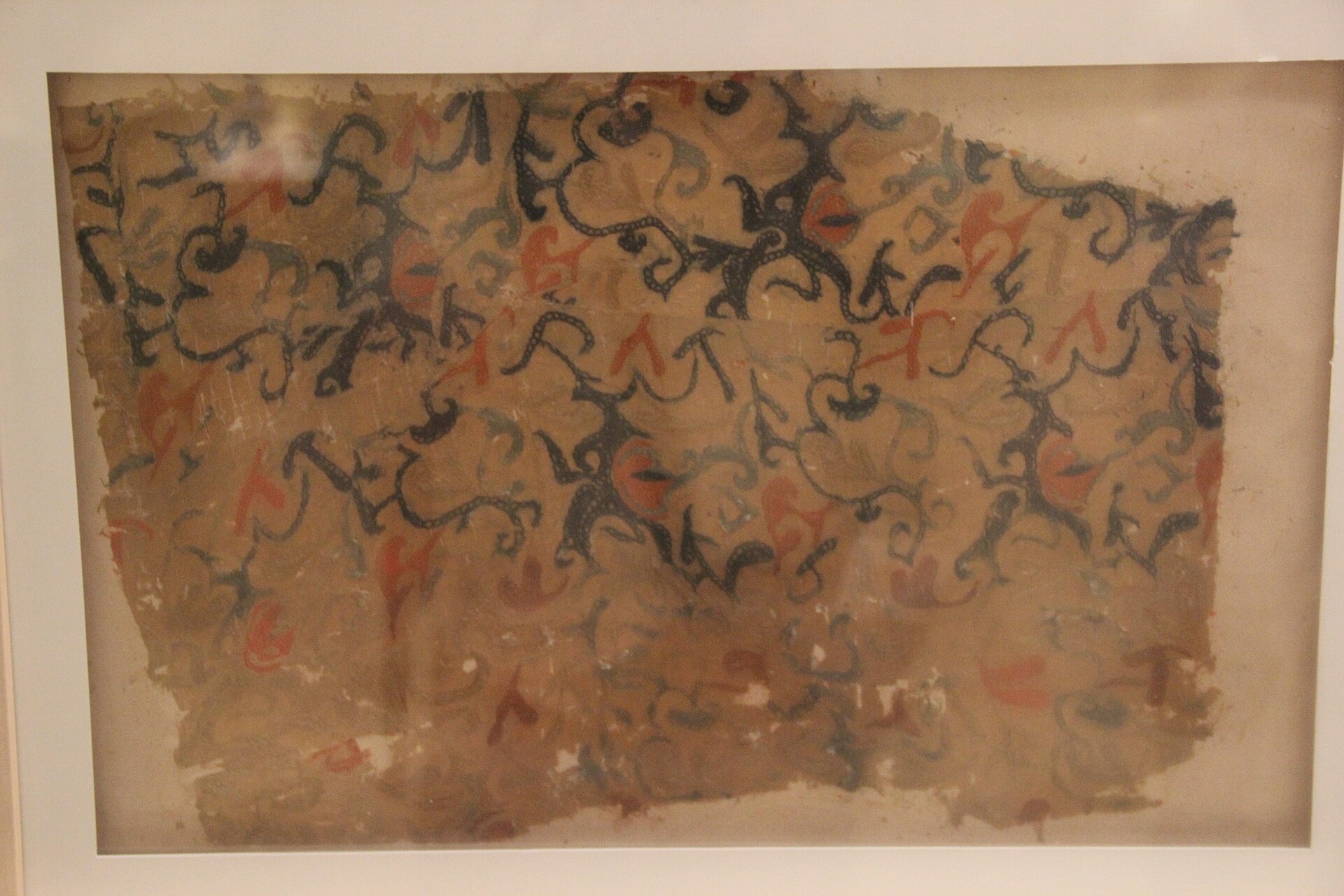
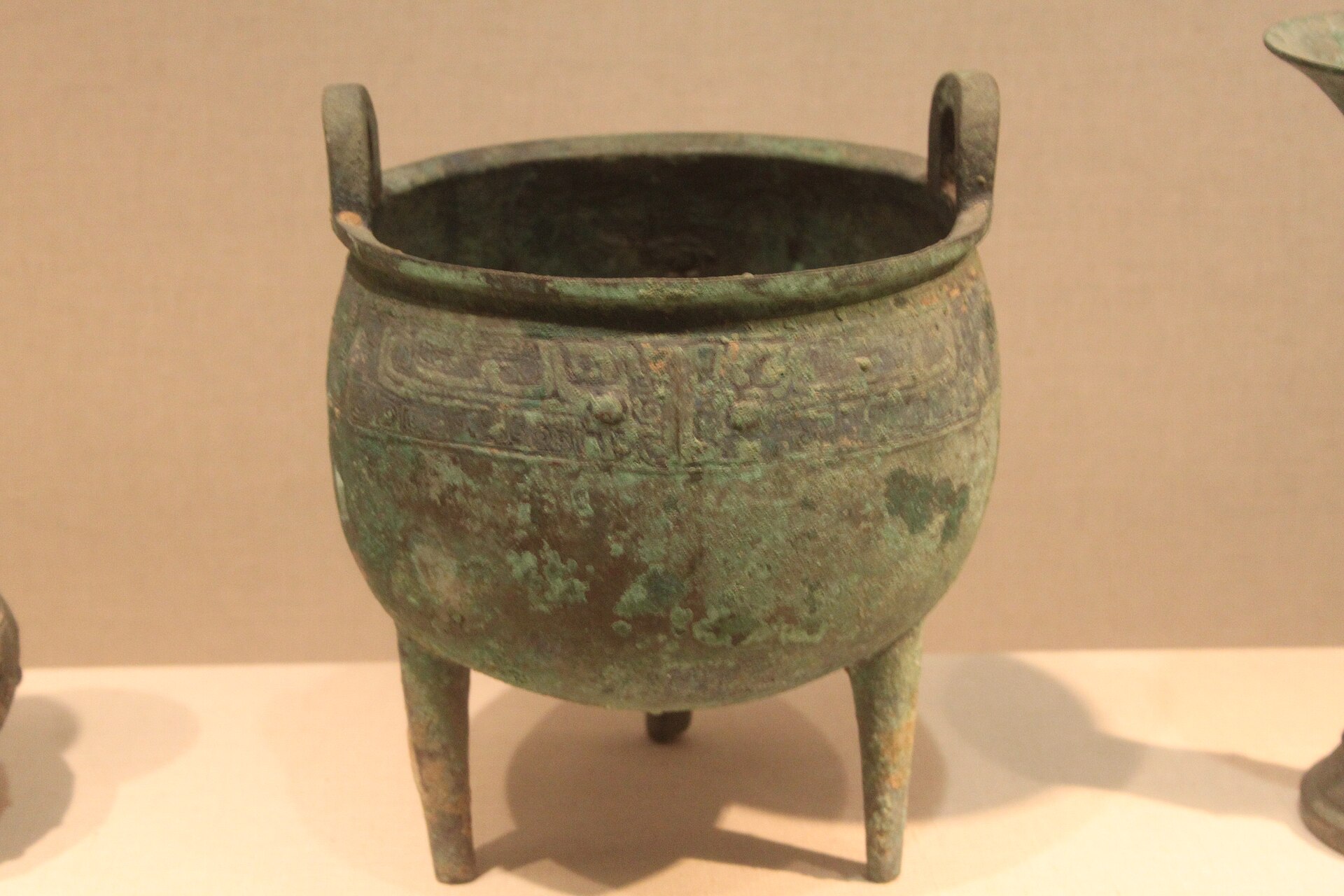
Shang and Zhou bronze vessels establish ritual form. Taotie masks regard the viewer from ding and gu. Jade cong and bi mark burial and rank. With Qin unification, the Terracotta Army fills a tomb with clay soldiers. Under the Han, routes open westward. Silk, lacquer, and painted banners travel with both the dead and the living.
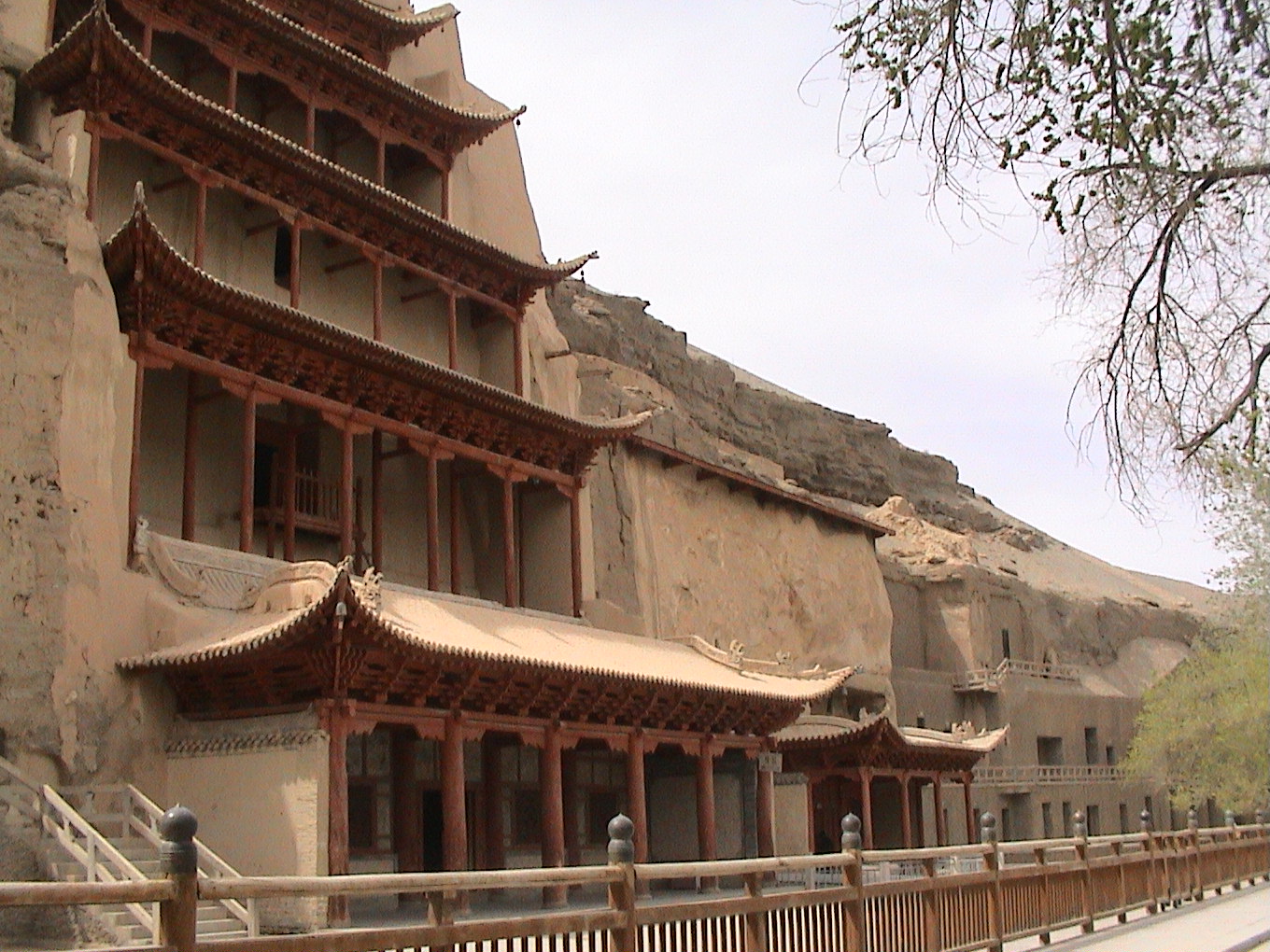
Symbols first (wheel, footprint, empty throne), then the body of the Buddha. Along the Hexi corridor and at Dunhuang, cave programs translate doctrine into plaster, pigment, and stone. Northern Wei and Tang workshops establish Chinese Buddhist form. Korea and Japan absorb and remake those models in gilt bronze, wood, and temple halls. Across mainland and island Southeast Asia, stone mandalas and temple-mountains carry related devotion through local polities.
Era door: Image of the path.
Trade roads carried silk, glass, horses, and ideas. Central Asian oasis towns linked Chang’an to the west. Art traveled as portable painting, metalwork, and cave programs. No single capital owned the route.
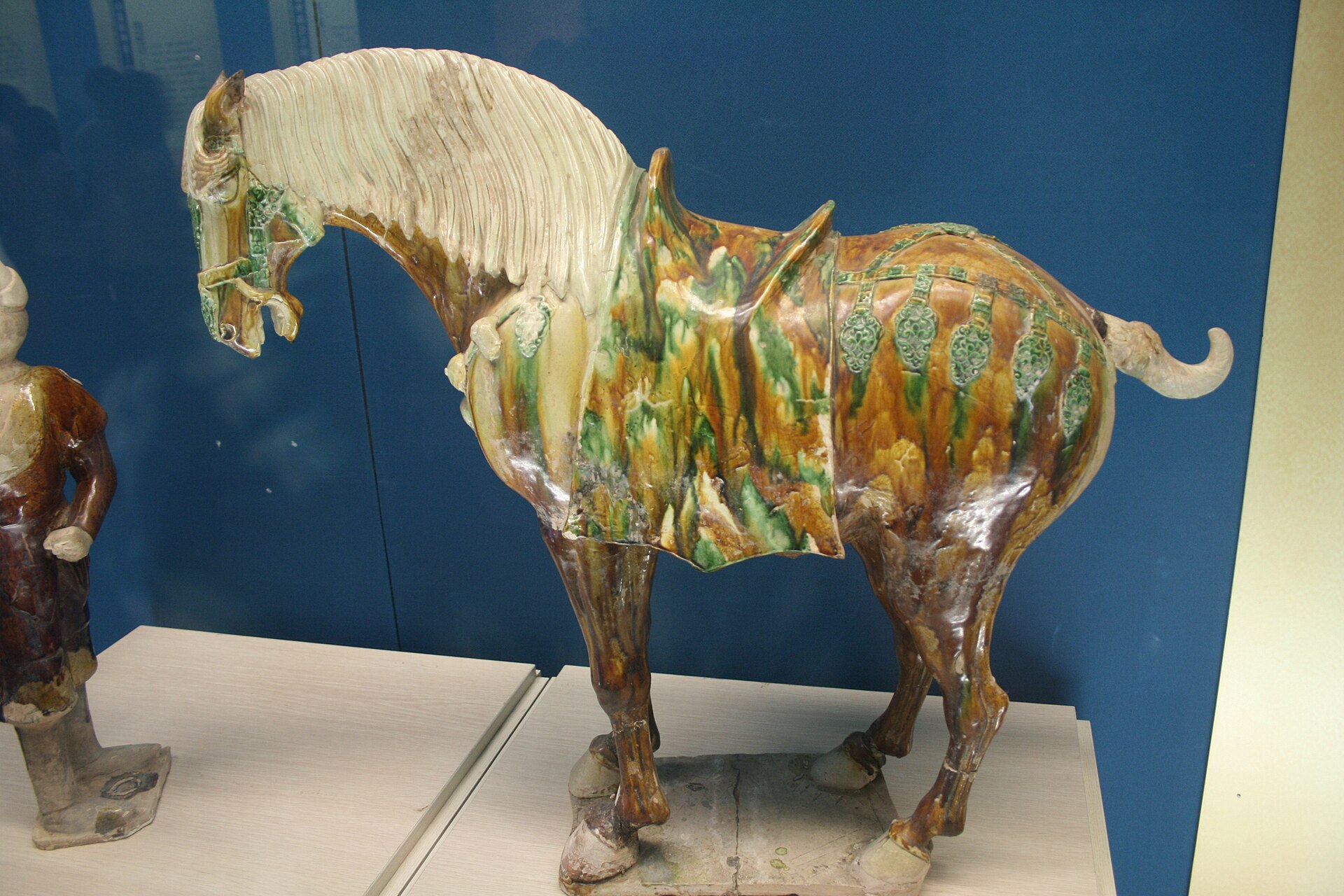
Chang’an as cosmopolitan capital: tri-color sancai ceramics, assured figure painting, and Buddhist patronage at scale. Foreign musicians and dancers appear among tomb figurines. The court sets taste; workshops meet demand.
Era door: Courts and canons.
Monumental ink mountains. Fan Kuan’s travelers beneath cliffs. Guo Xi’s early-spring mist. Literati ideals: the brush as mind, empty space as air. Ceramics refine toward quiet glaze.
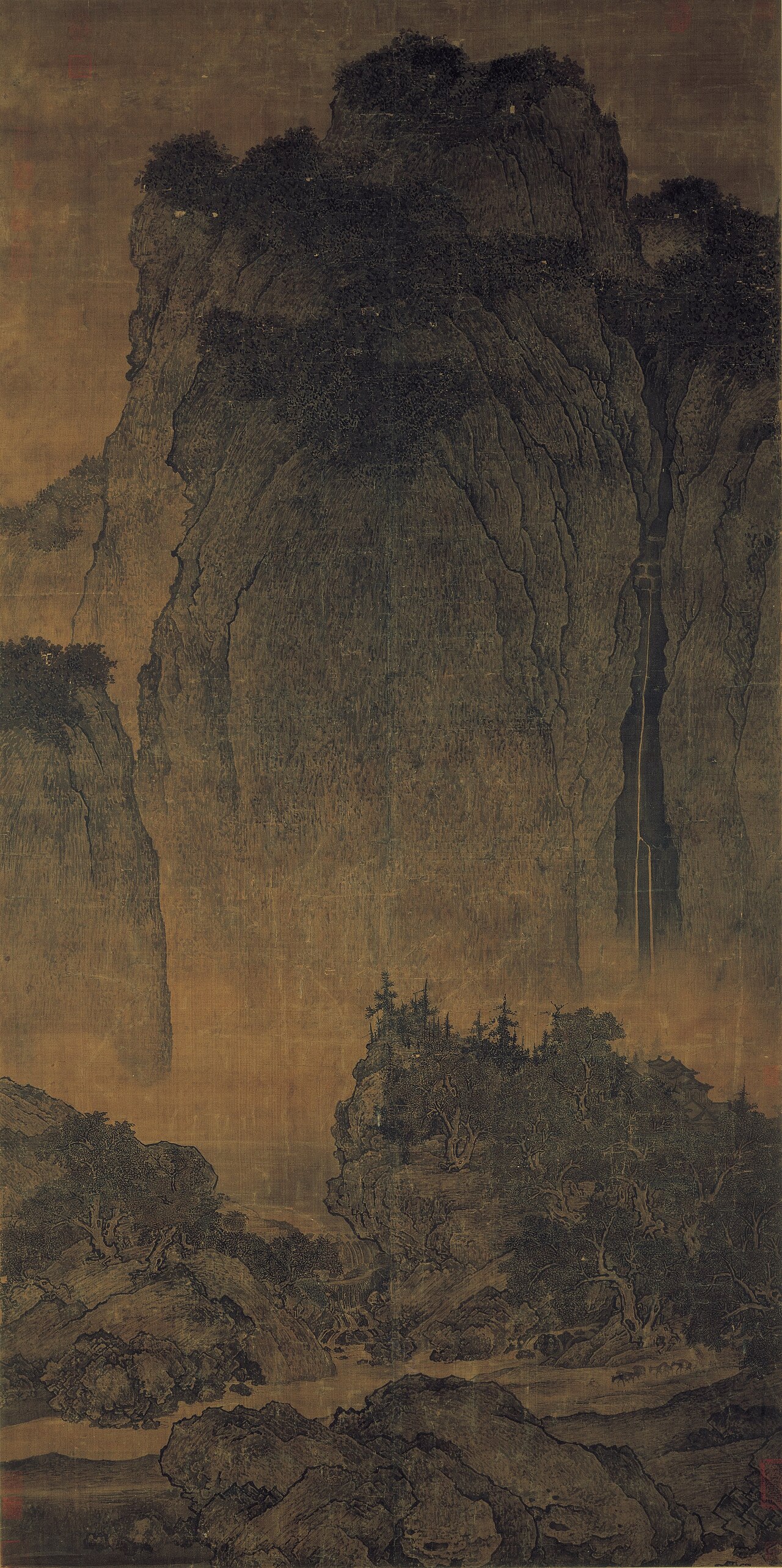
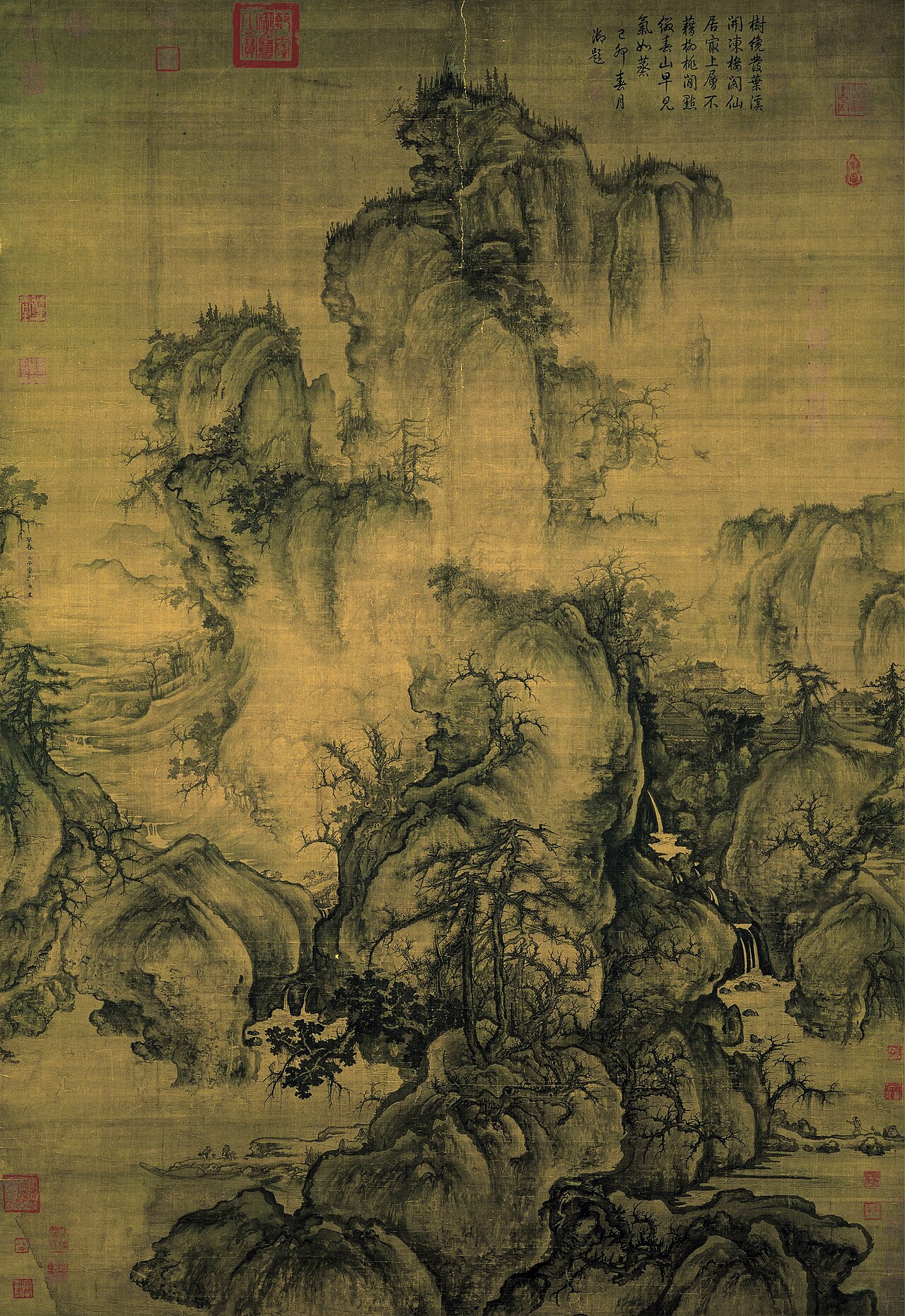
Three teachings shape Chinese art without erasing one another. Confucian order favors ritual bronze memory and ancestor portraiture. Taoist landscape seeks the Way in rock and mist. Buddhist image programs fill caves and temples. Painters and patrons move among all three.
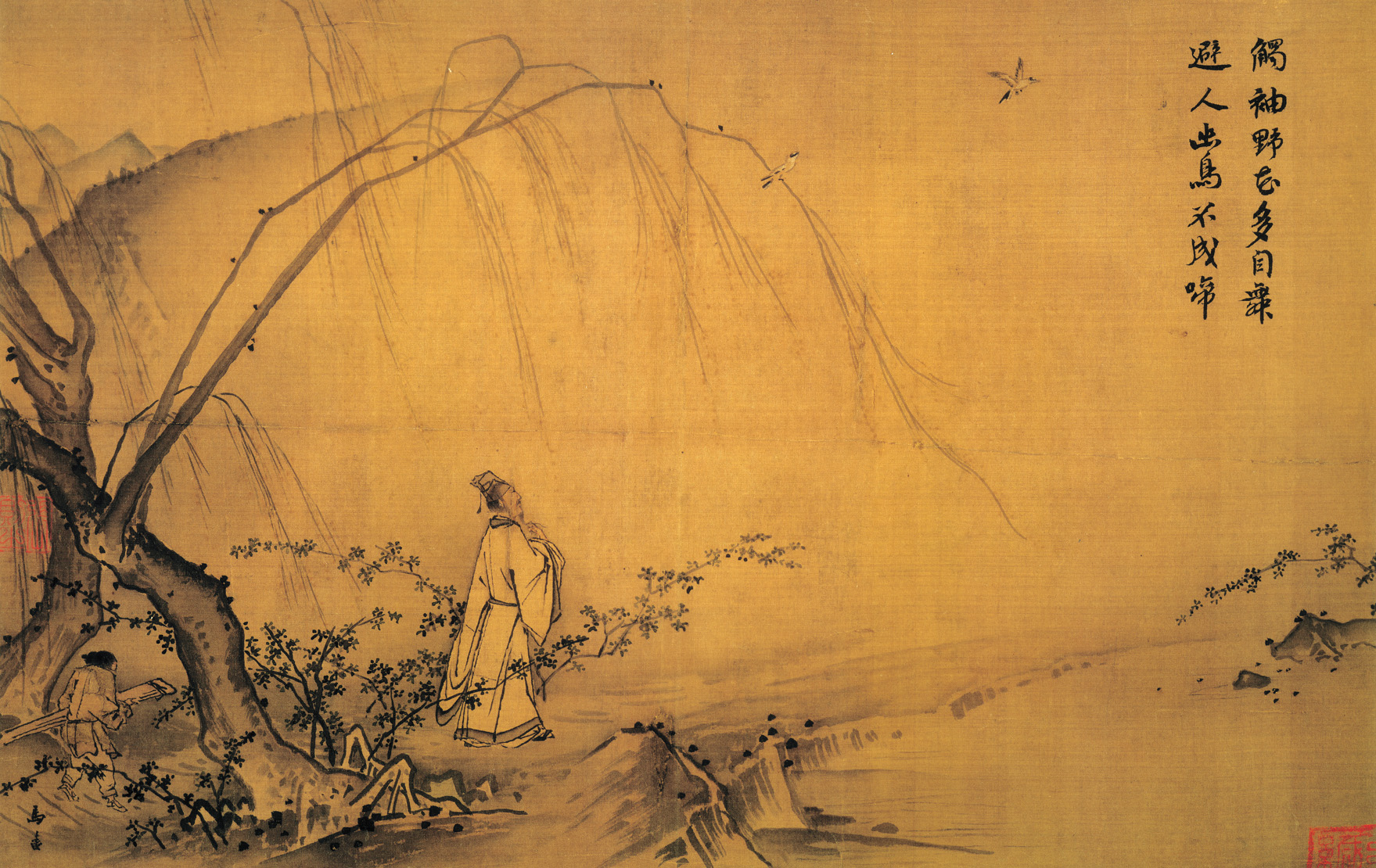
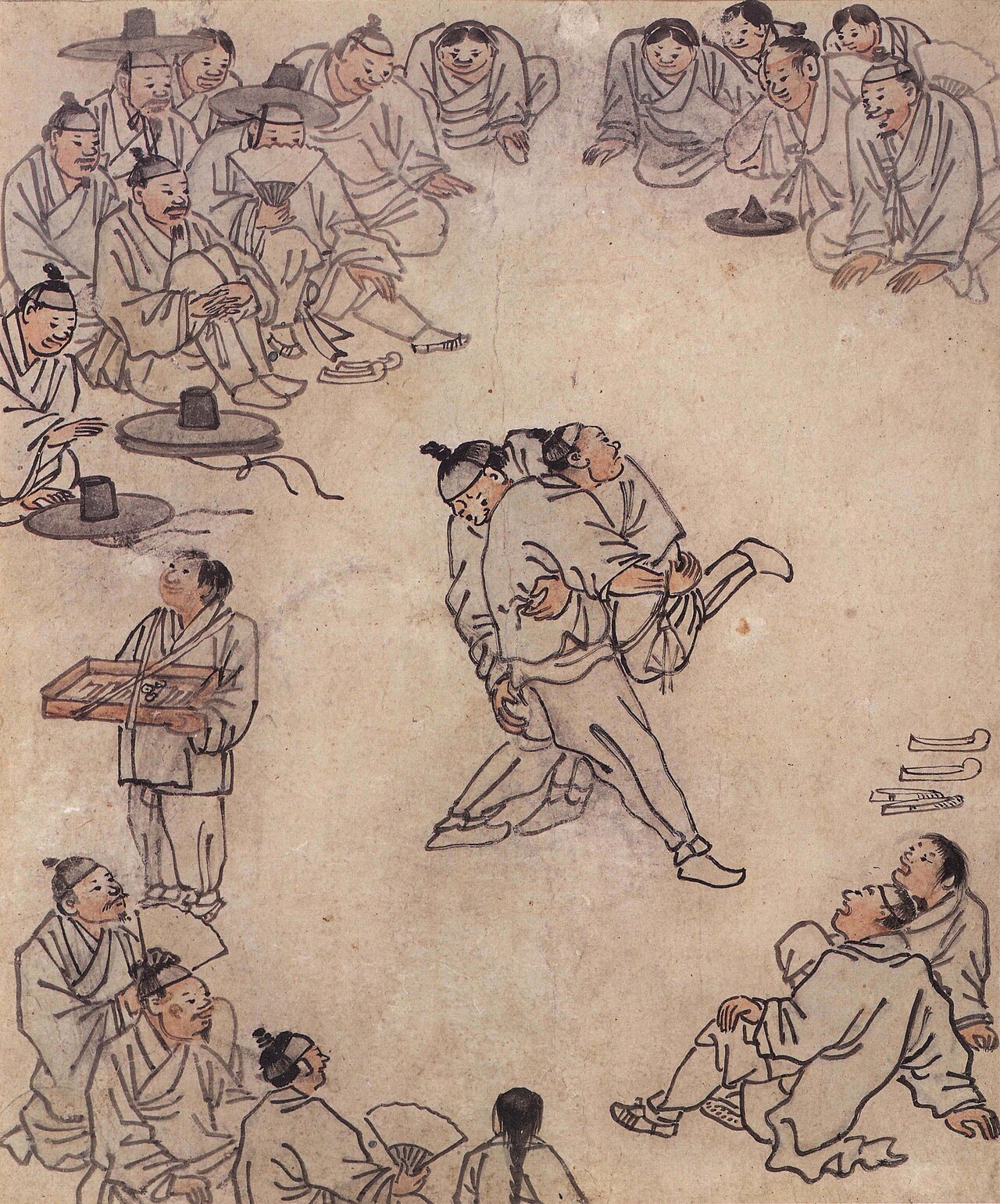
Goryeo celadon: jade-green glaze, inlaid crane and cloud. Joseon turns toward white porcelain, true-view ink landscape, and genre painting of daily life. Kim Hong-do’s wrestlers and street scenes instruct with quiet humor.
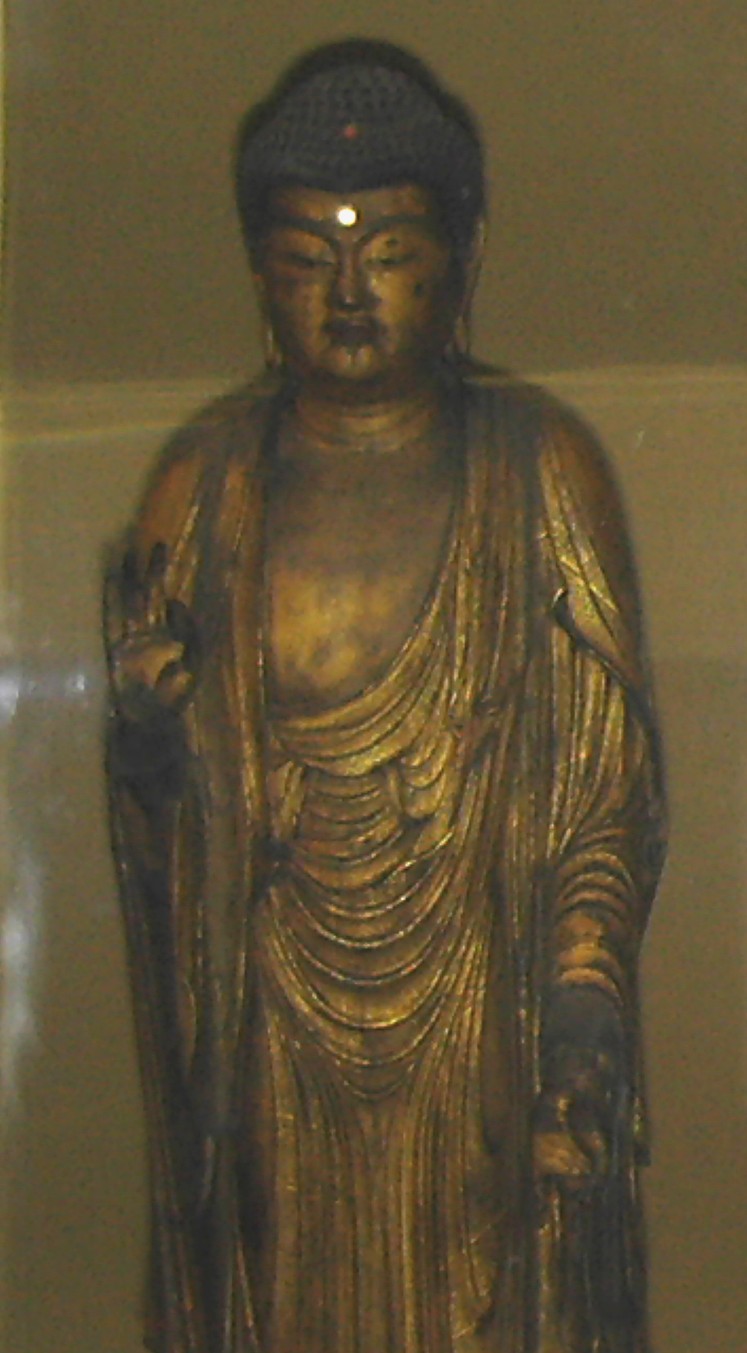
Buddhism arrives by way of Korea and China. Nara temple sculpture establishes an early canon. Heian court culture softens into mono no aware: an awareness of impermanence. Byōdō-in Phoenix Hall rises as Pure Land architecture in wood and gold.
Dry gardens of rock, gravel, and moss. Tea aesthetics of incompleteness. Sesshū’s splashed-ink landscape. Beauty found in restraint and in the marks of weather.
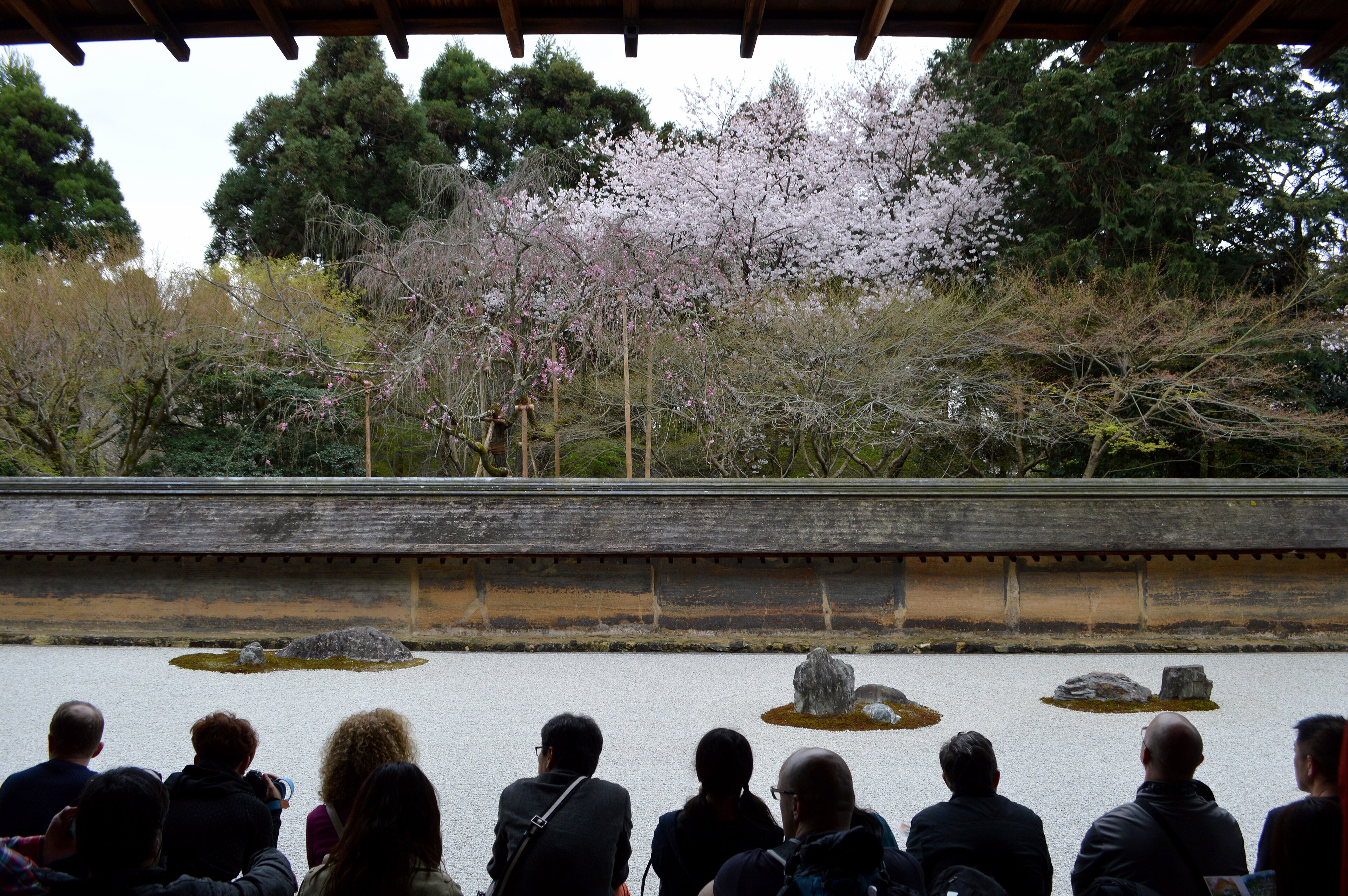
Path: Gardens.
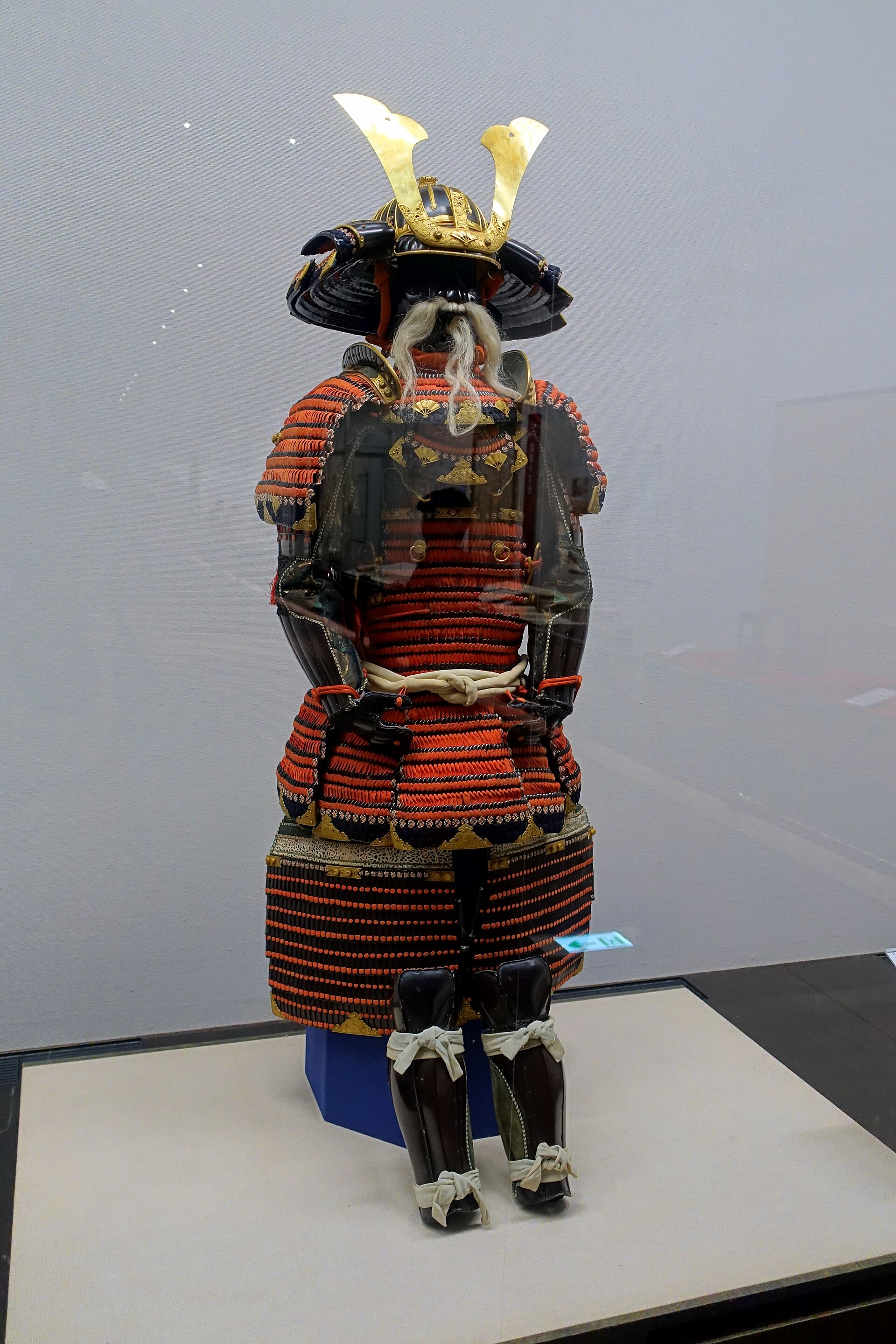
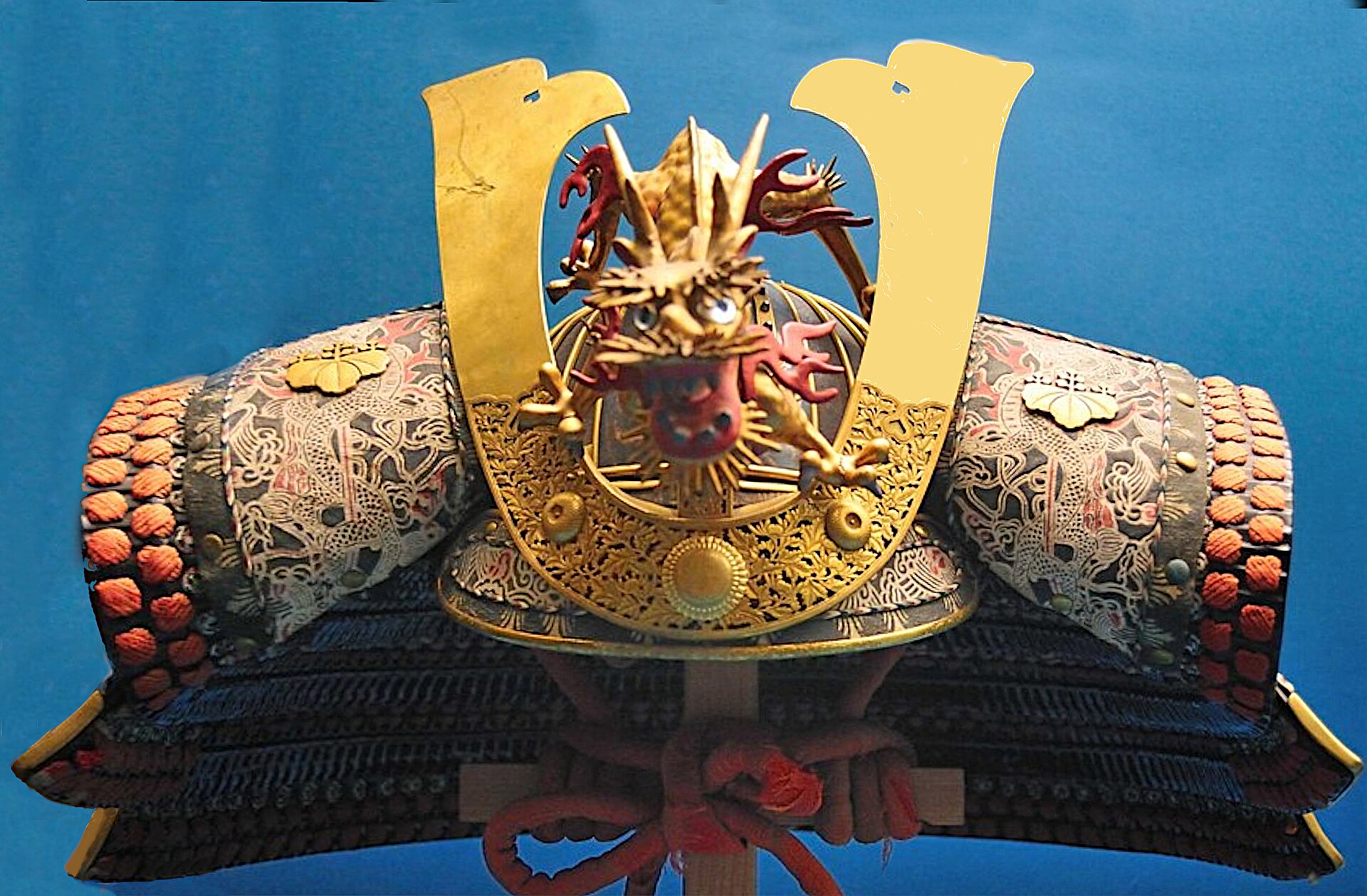
Armor, sword fittings, castle towns, and warrior patronage of painting and Noh. Aesthetic discipline stands beside political force. Screen painting and lacquer carry clan taste into the interior.
Edo prints for a city audience: Hokusai’s wave, Hiroshige’s rain on the bridge, Utamaro’s beauties. Flat color, cropped framing, and the collaborative woodblock workshop of artist, carver, printer, and publisher.
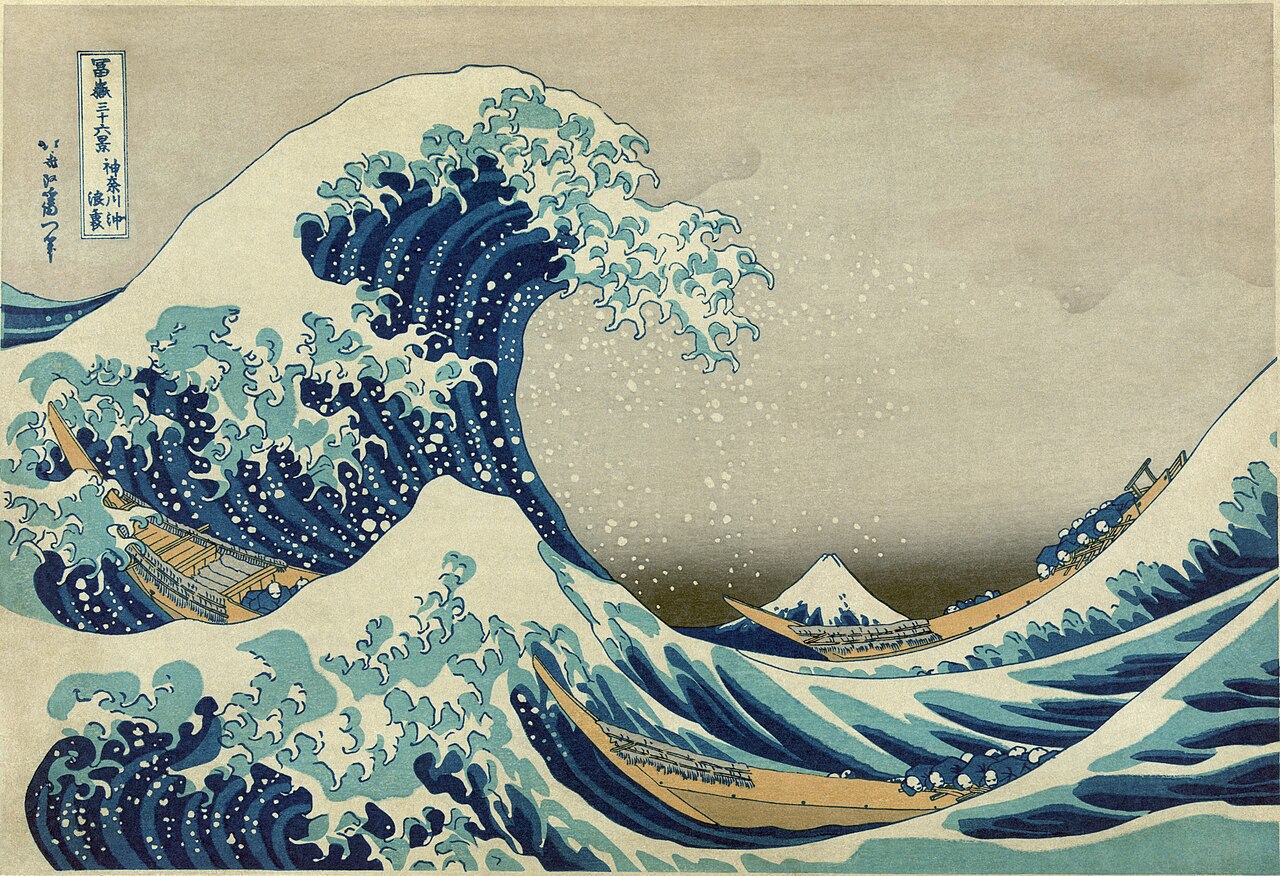
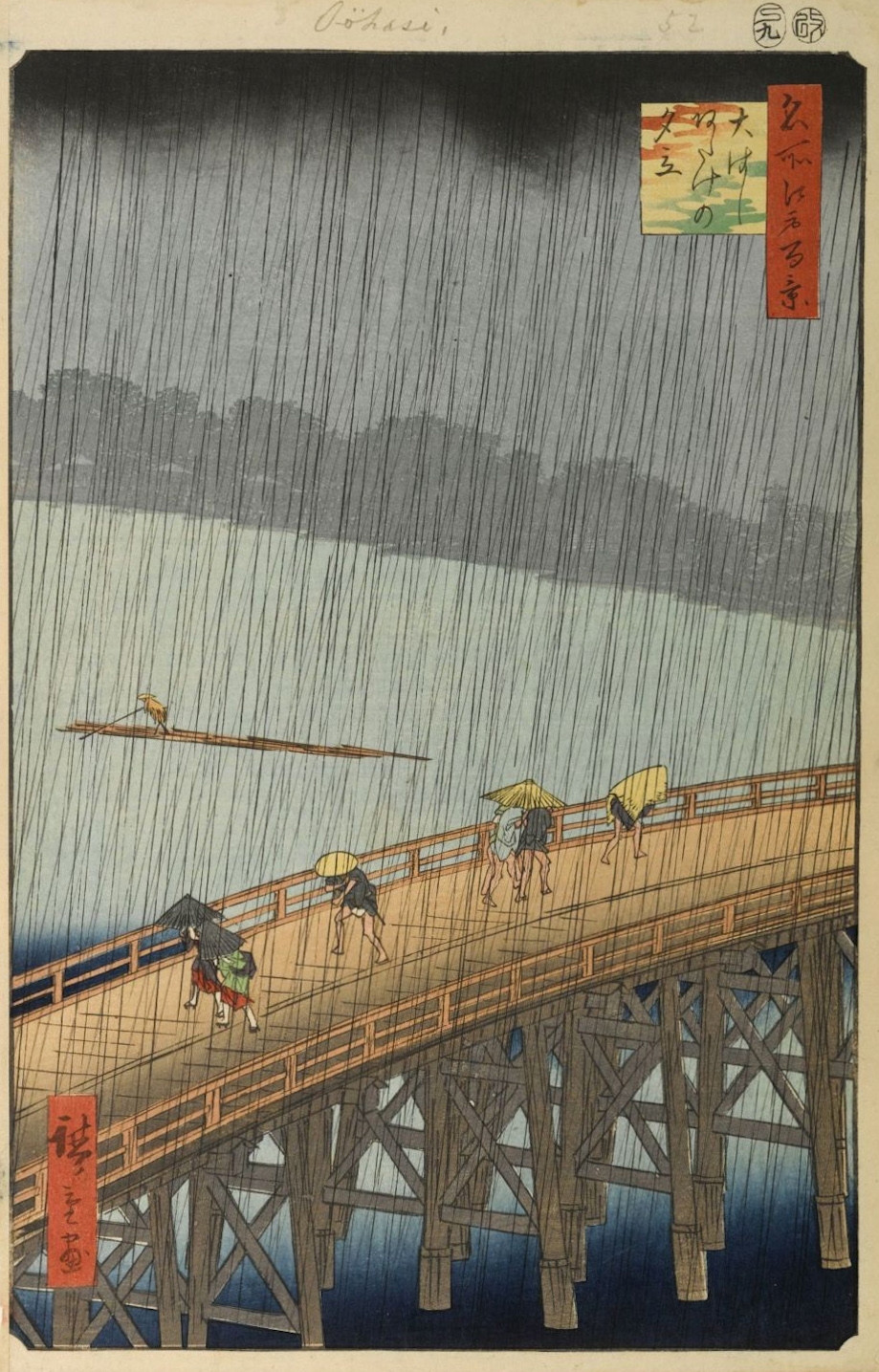
Era door: Cities, prints, faiths. Artists: Hokusai, Hiroshige, Utamaro.
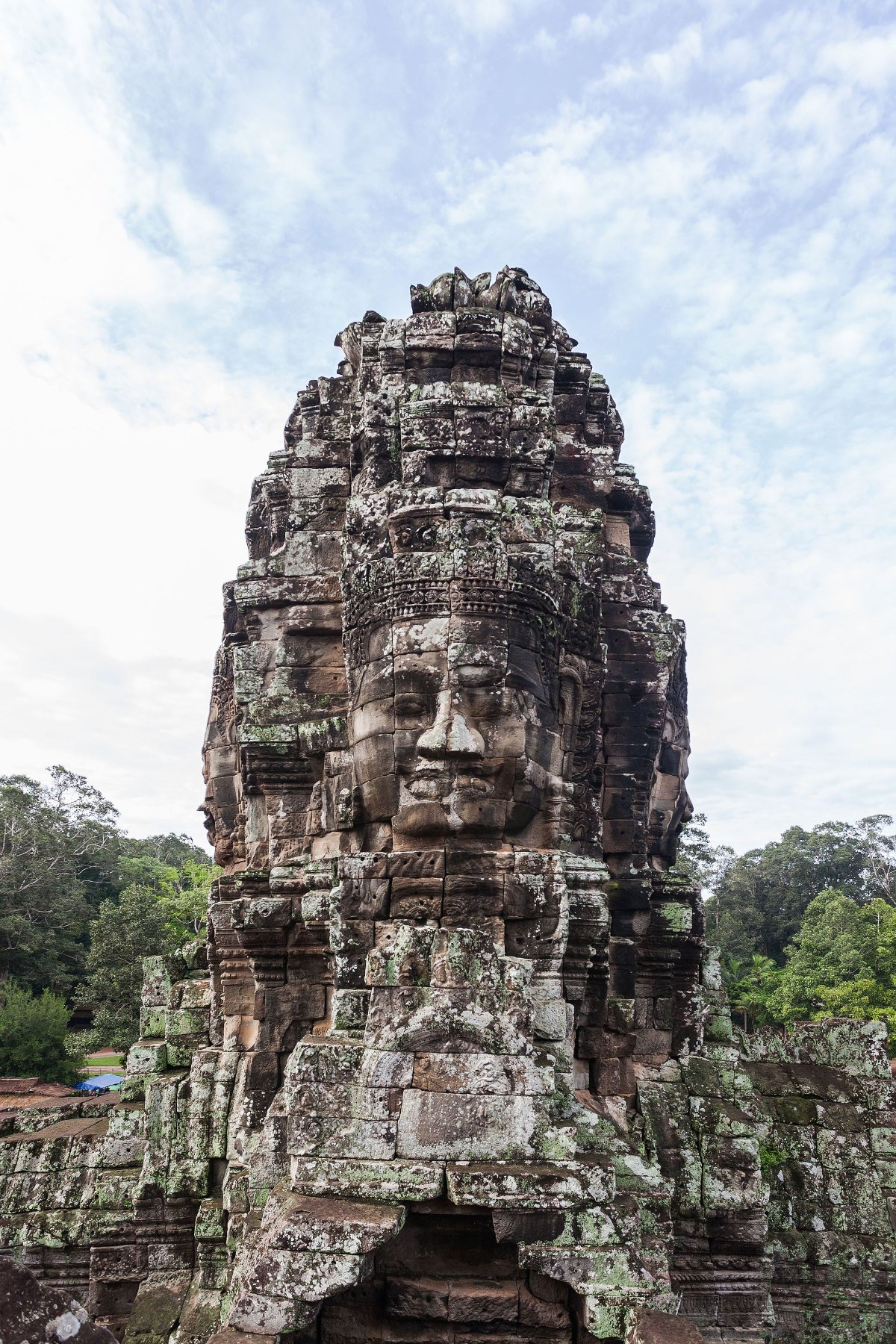
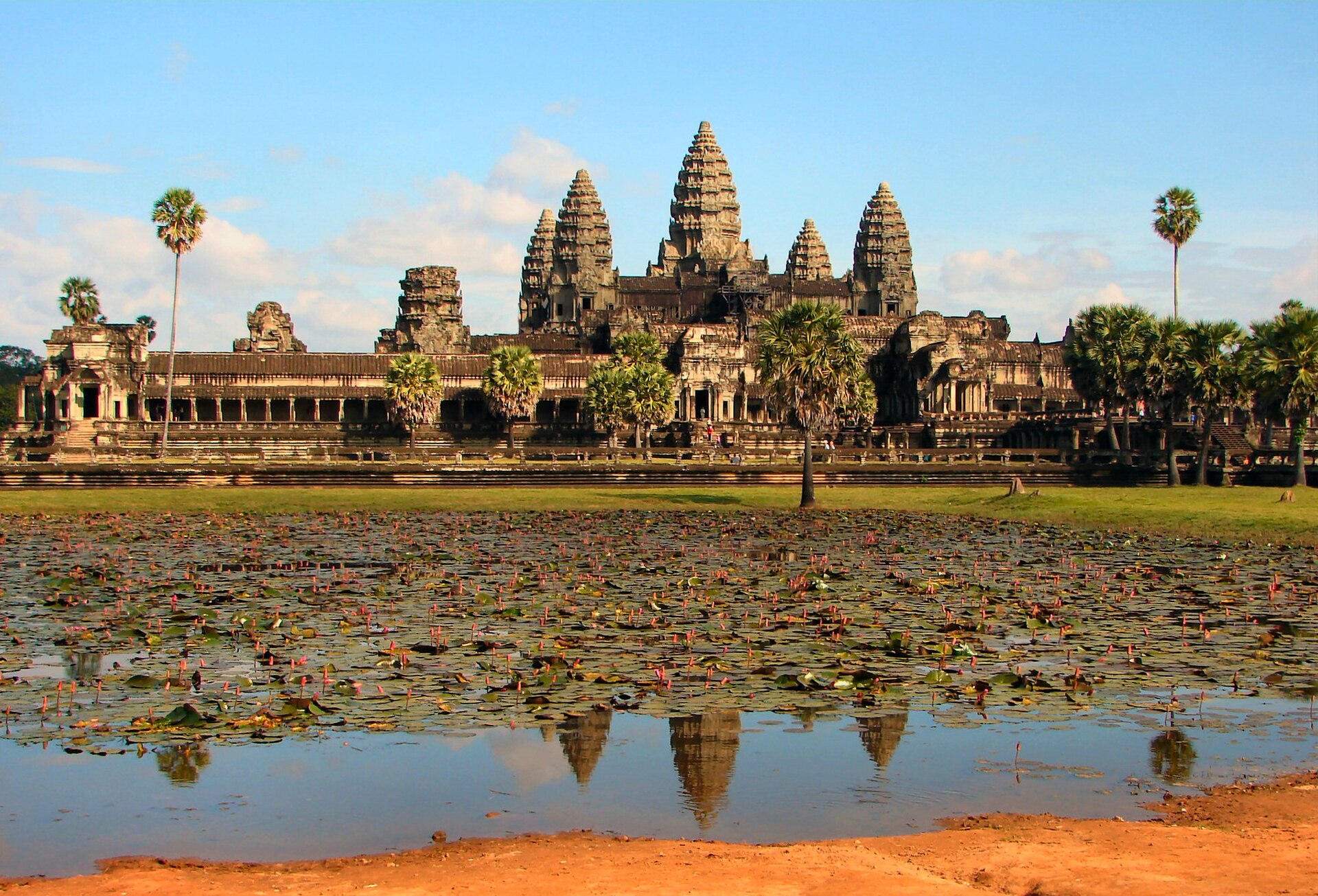
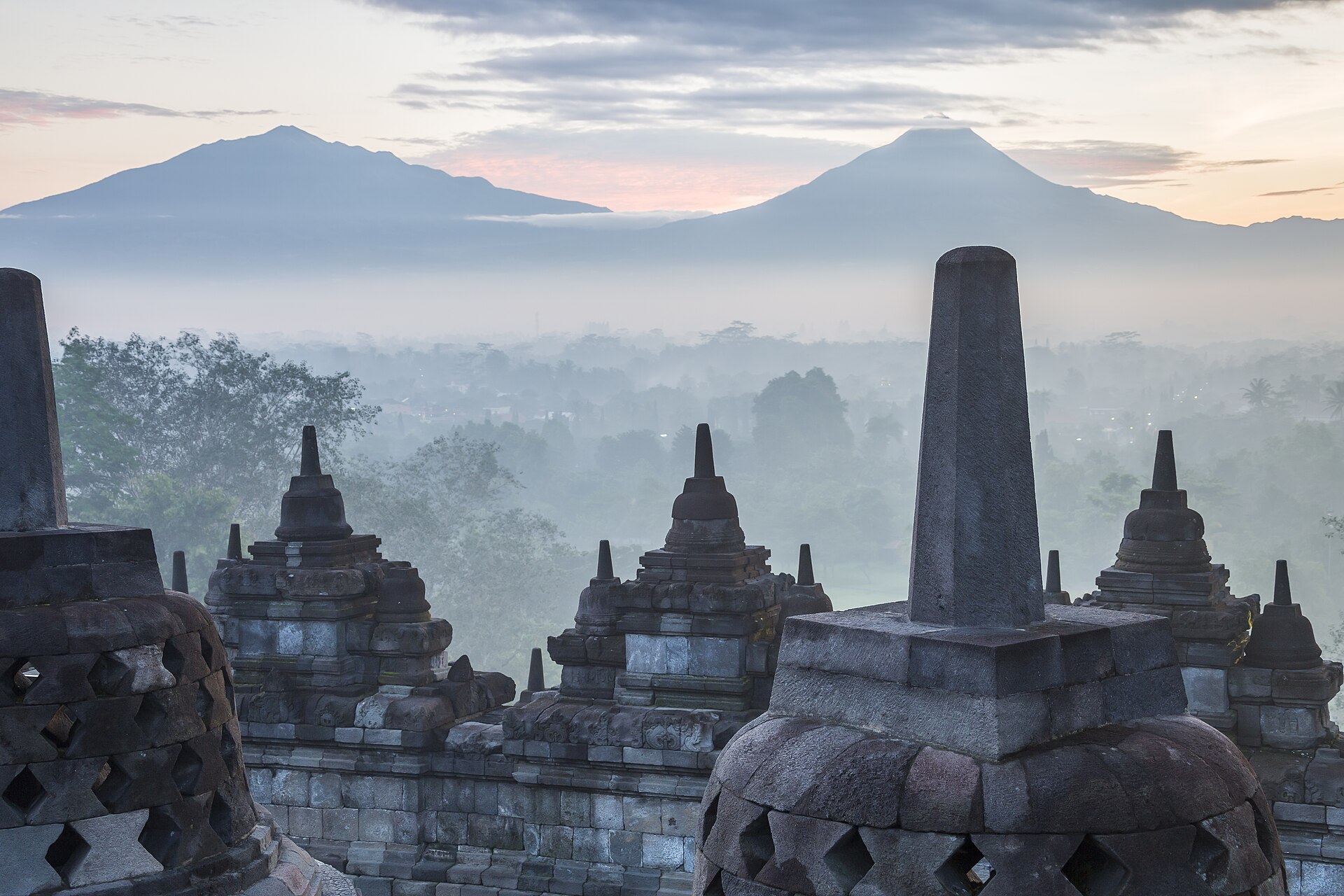
Khmer stone mountains at Angkor, with reliefs of gods, kings, and daily life. On Java, Borobudur rises as a Buddhist mandala in volcanic stone: the pilgrim path as architecture.
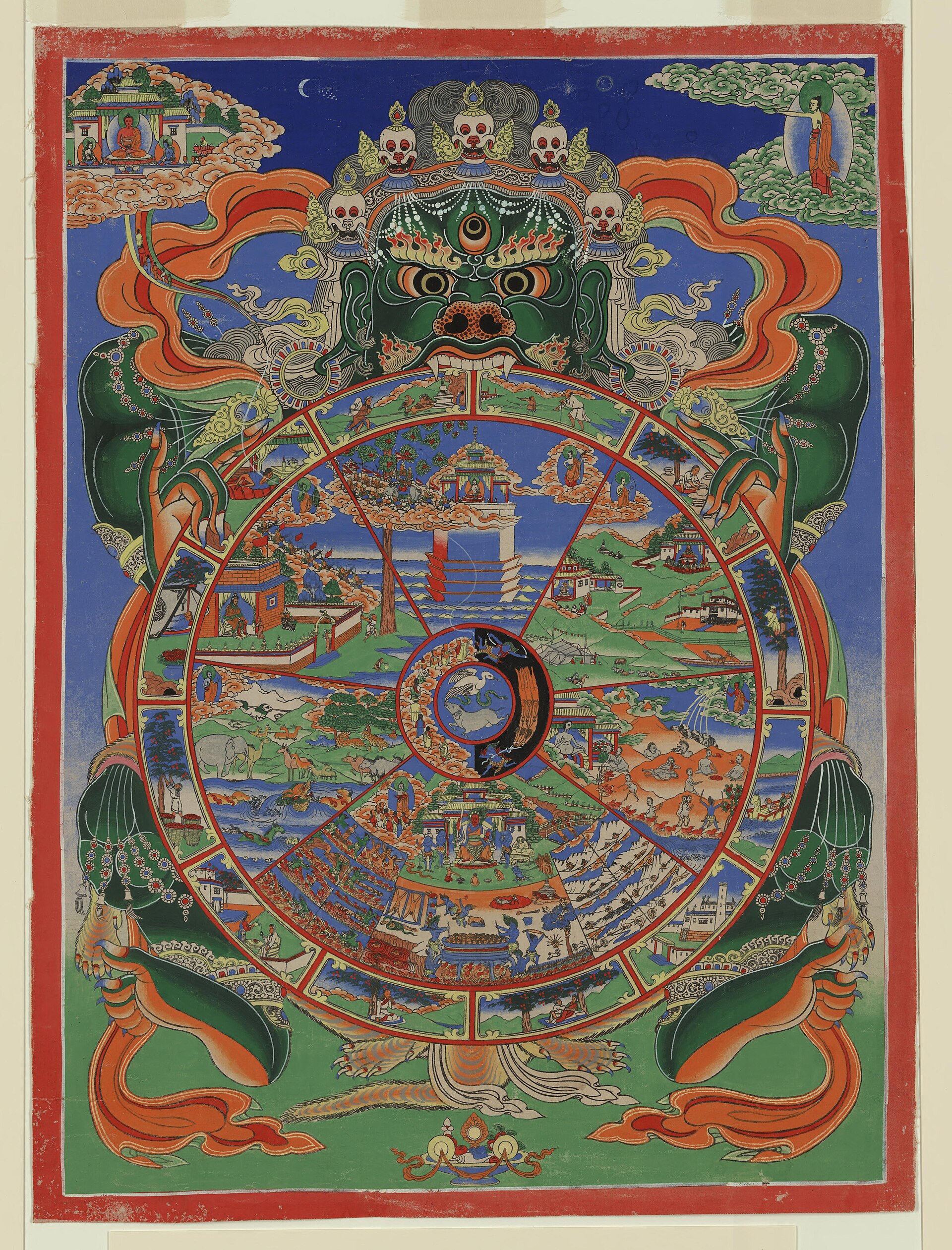
Scroll paintings for teaching and ritual: deities, lineages, and cosmic diagrams. Precise systems of proportion. Color as doctrine made visible.
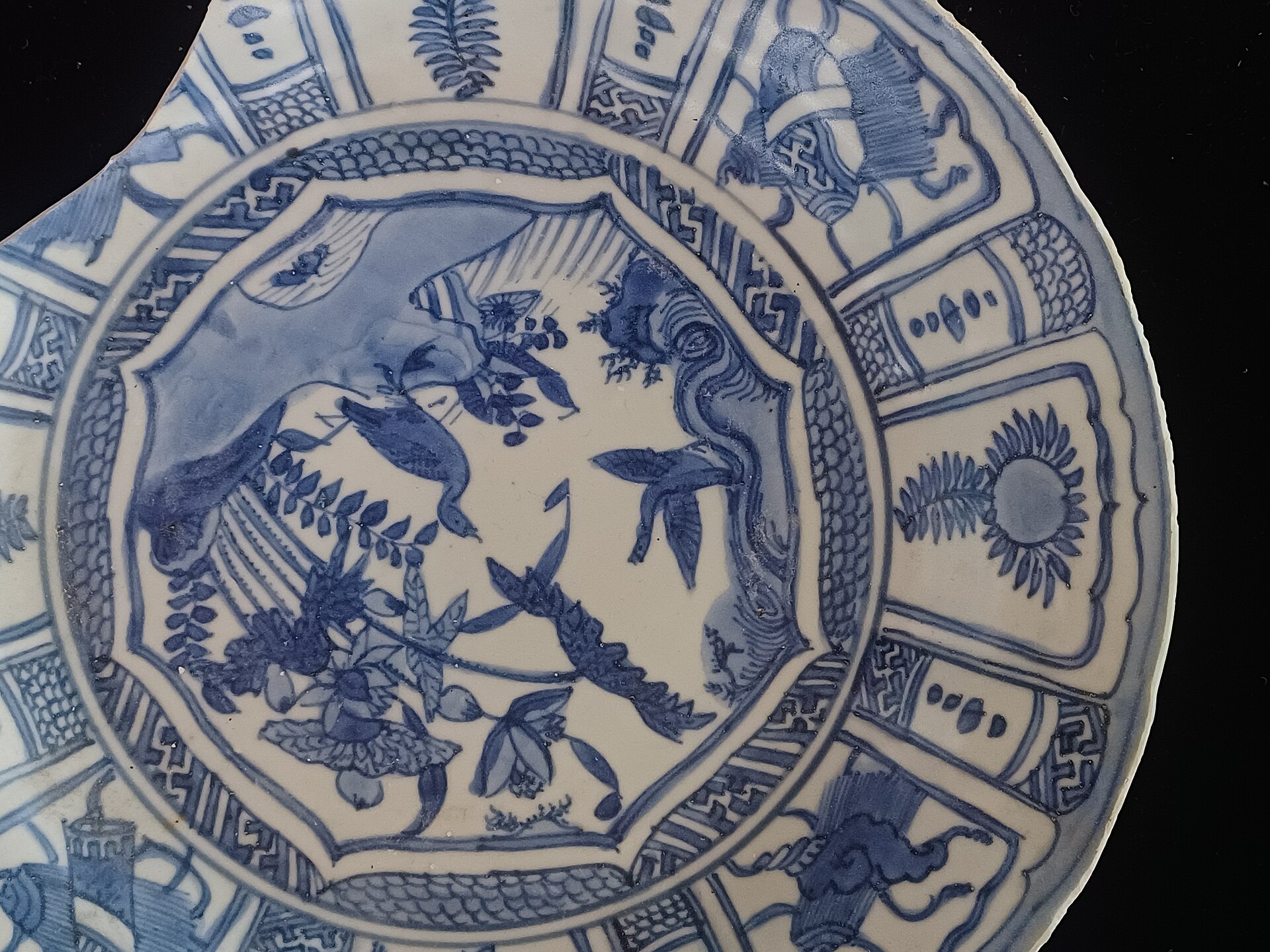
Jingdezhen kilns. Blue-and-white underglaze cobalt. Export cargo that remade European tables. Imperial marks, enamel families, and exacting control of the kiln fire.
Unequal treaties, photography, oil-painting schools, and World’s Fairs. Japanese prints flood Europe. Monet, Van Gogh, and the Nabis learn crop and flat color. In Asia, academies train hybrid hands. Nationalism and rupture rewrite the canons.
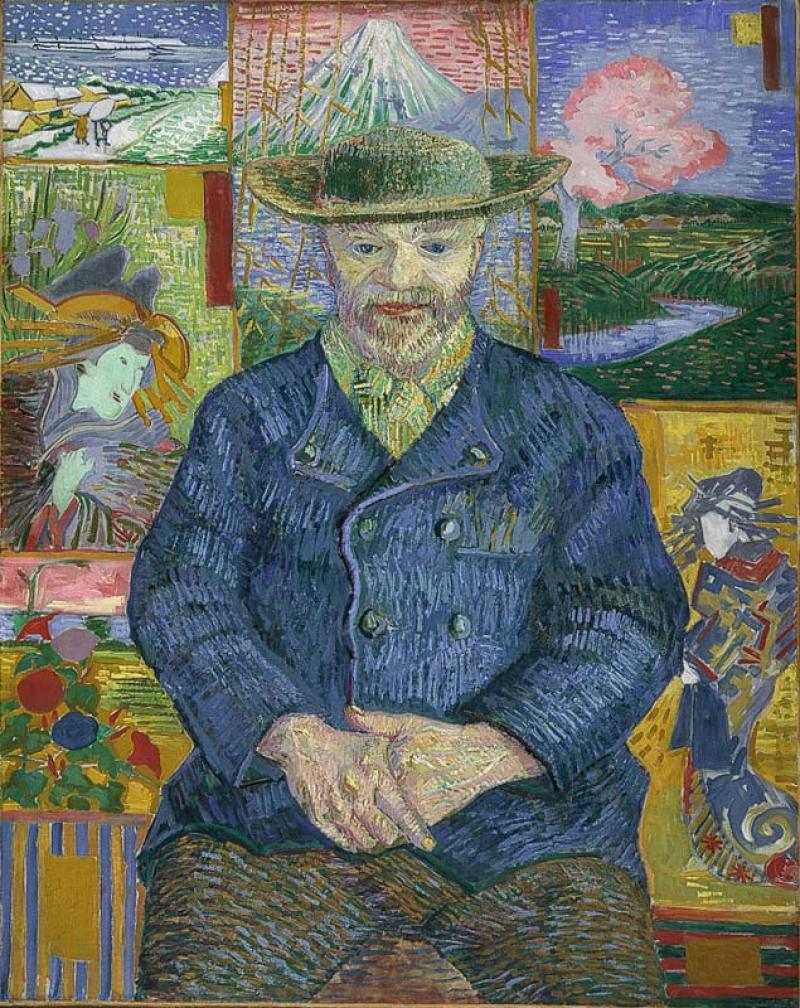
Era door: The cracked mirror.
Korean Dansaekhwa explores monochrome process and material. Chinese and Japanese modernists rewrite ink and oil. Philippine painters (Luna, Amorsolo, Hidalgo) claim both salon craft and homeland light. Southeast Asian modernists build local canons beside academy training.
Korea. Repetition, paper, push-of-the-brush as modern meditation.
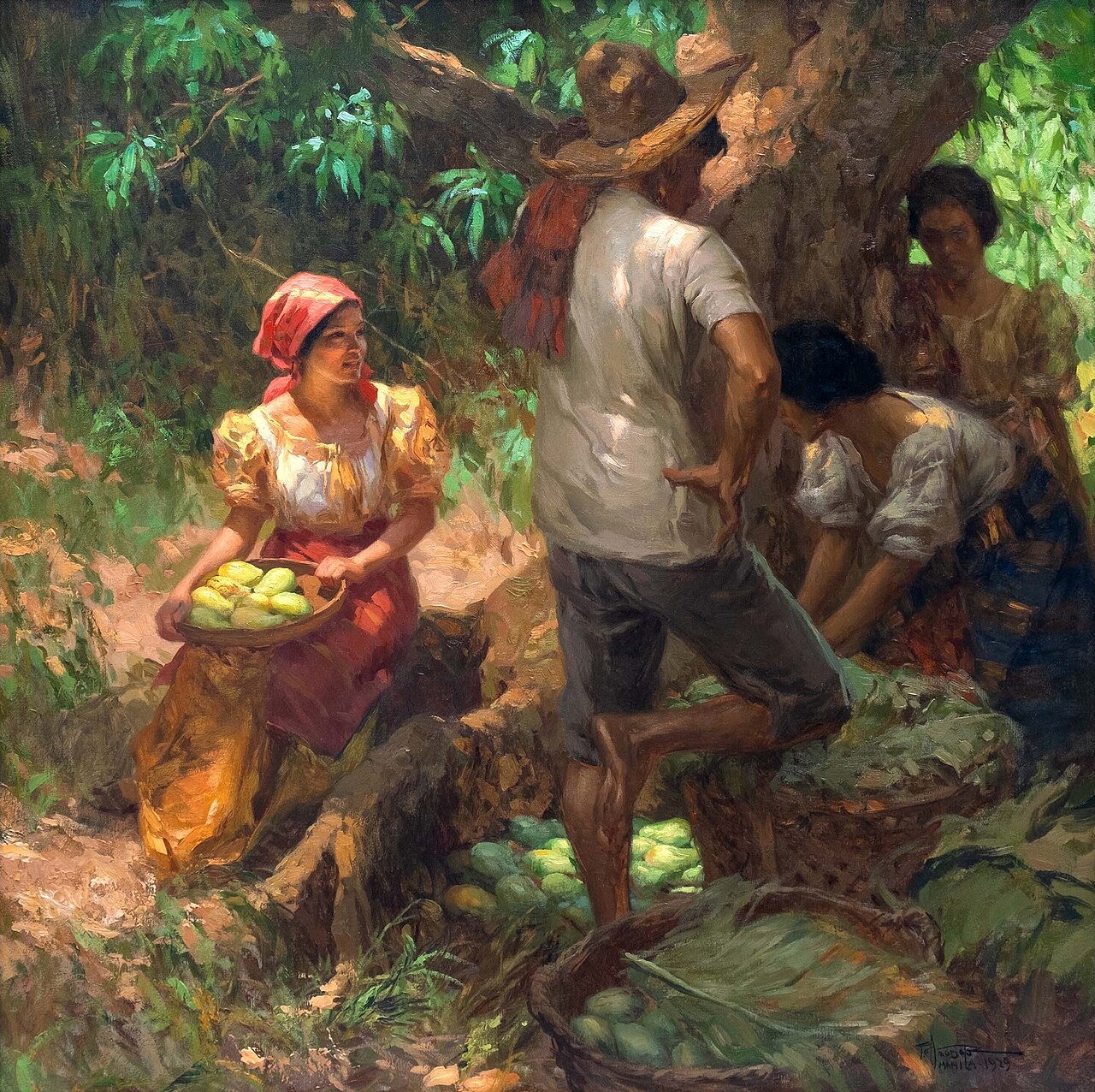
Luna, Amorsolo, Hidalgo. Salon craft and homeland color in one lineage.
See Asian Inspiration for named makers and documented crossovers.
Era door: After the nation.
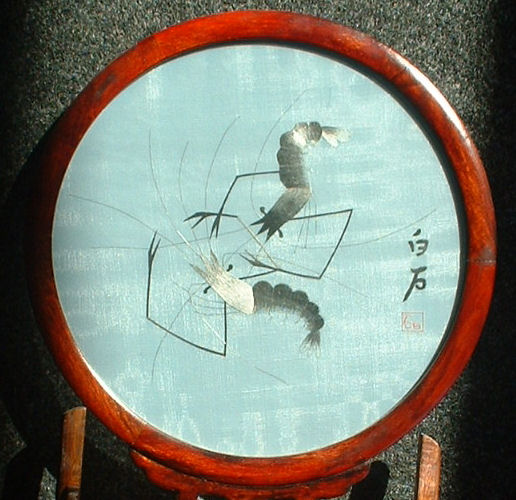
Tokyo, Seoul, Beijing, Shanghai, Singapore, Manila, Taipei, Hong Kong, Bangkok, Jakarta: biennales, galleries, and living contemporary practice across painting, installation, photography, video, and digital art. At the Collective, historical teaching and living practice share one collective.
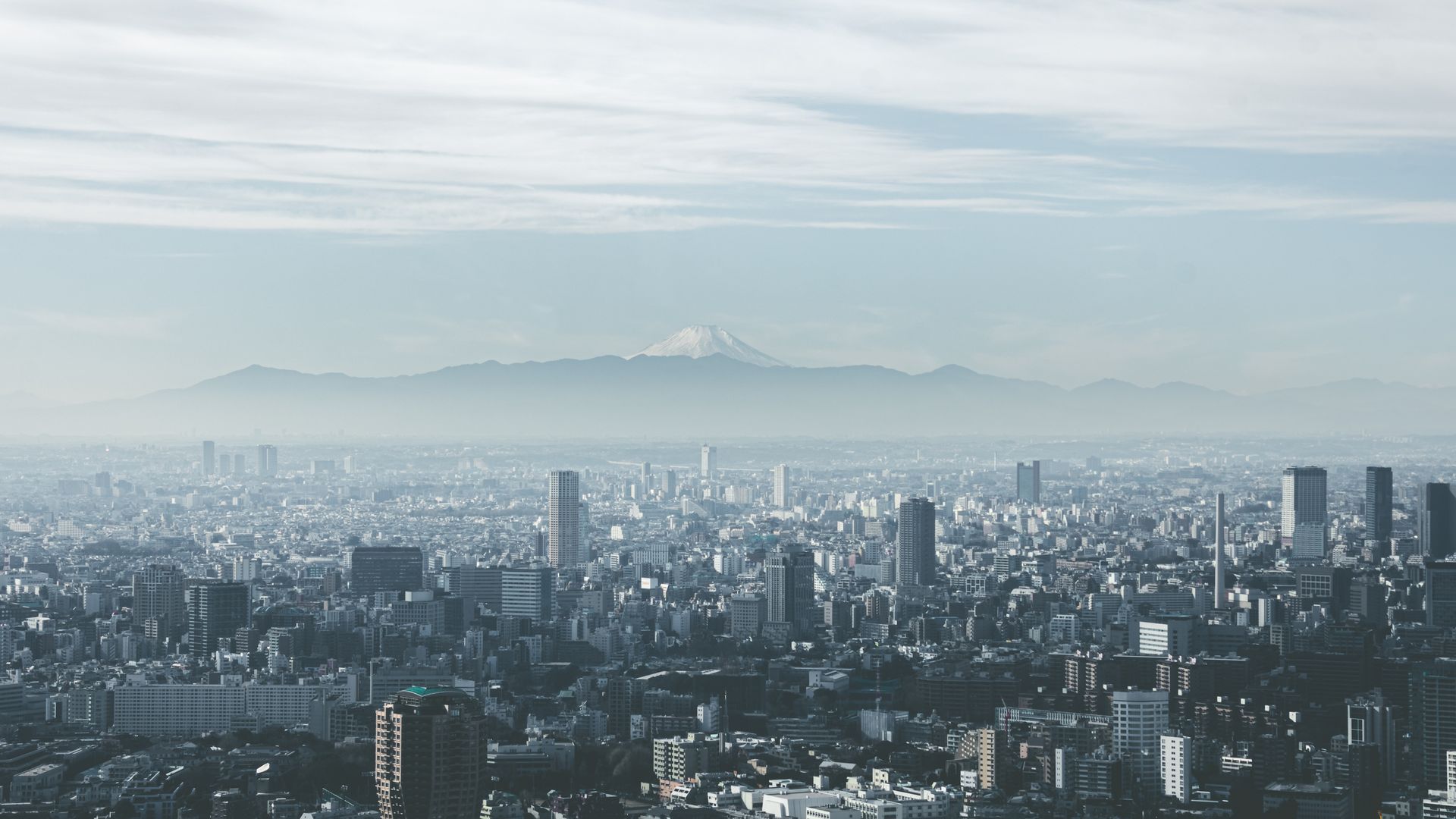
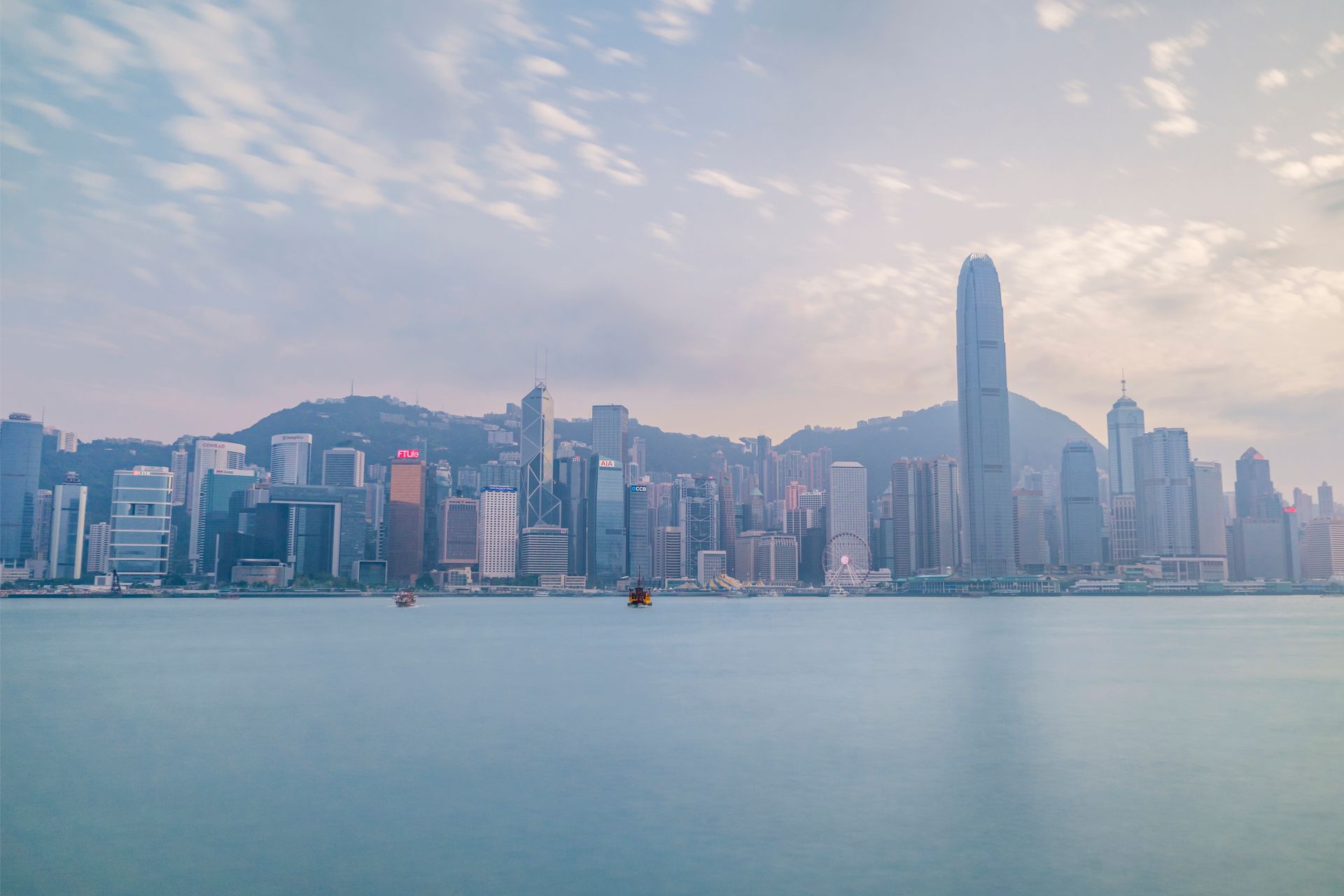
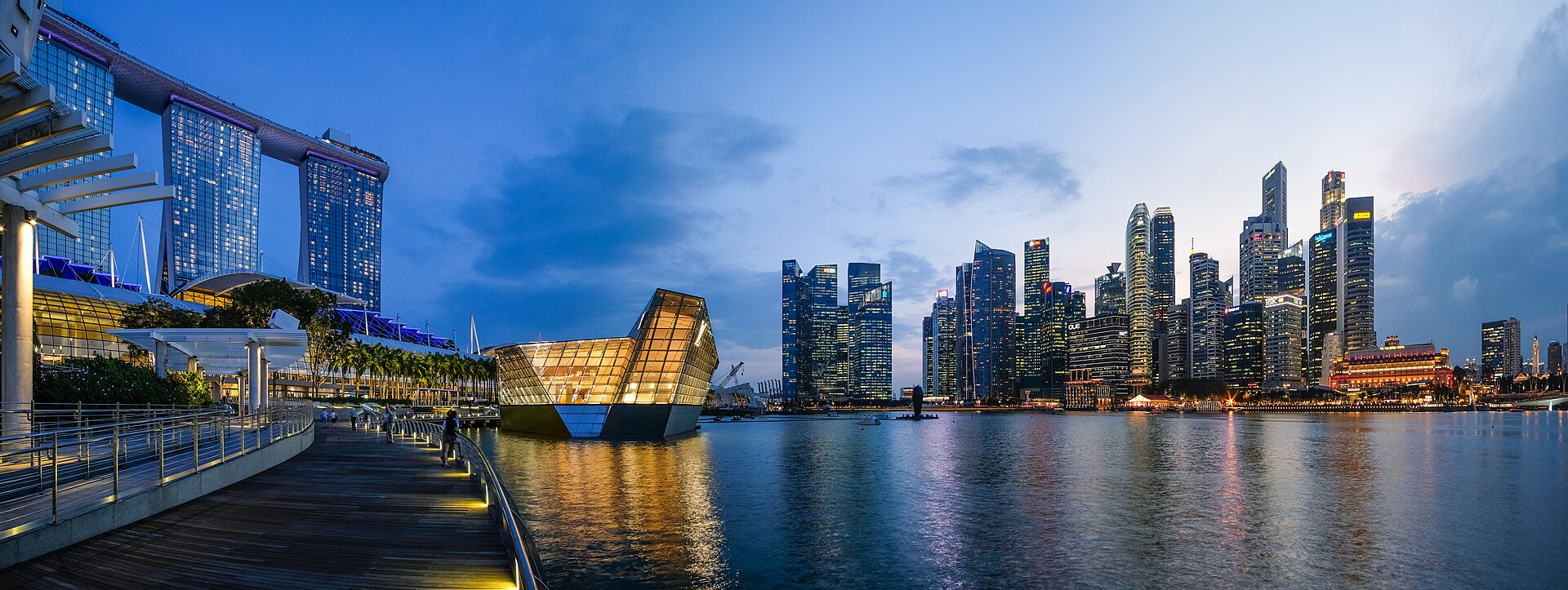
Longer Collective essays. Regional chronologies remain distinct.
Orchids remain on every path. Keep walking through the Collective, or write to us.